


Dr. Allen’s latest video offers an intriguing exploration of the science behind eye colors.
It highlights the genetic nuances and physical characteristics that determine the rich spectrum of colors found in human eyes.
From the ubiquitous browns to the extremely rare shades of pink and purple, Dr. Allen provides a comprehensive overview that merges science with the wonder of human diversity.
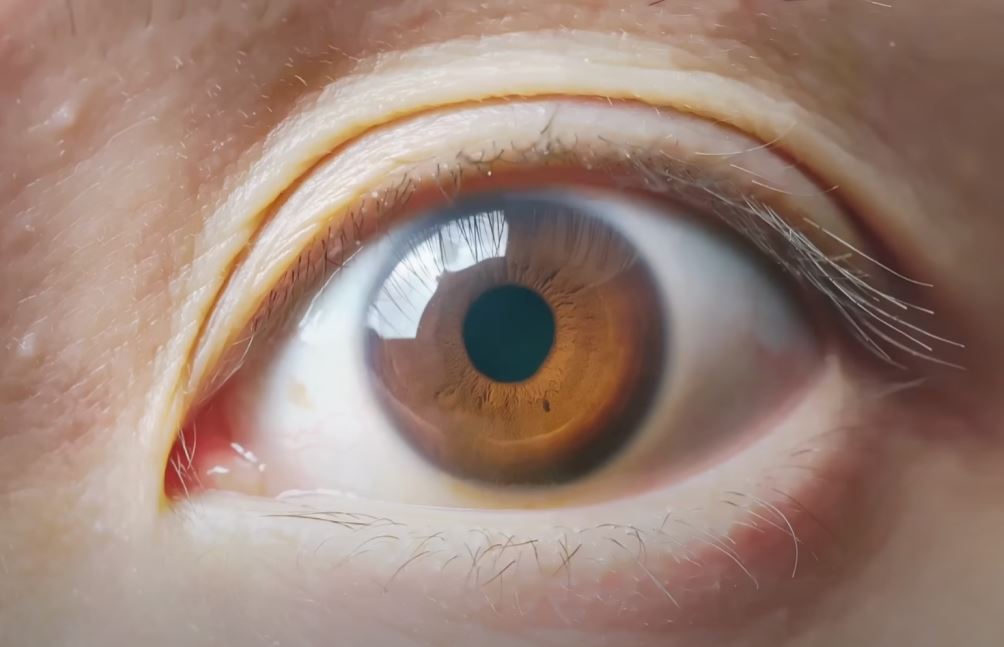
Starting with the most prevalent eye color, brown eyes are noted for their dominance worldwide, comprising between 55% to 79% of the global population.
This color results from a high concentration of melanin.
The pigment not only imparts the dark coloration but also plays a protective role against some types of light damage, showing how evolution can occasionally give us both function and make us look good.
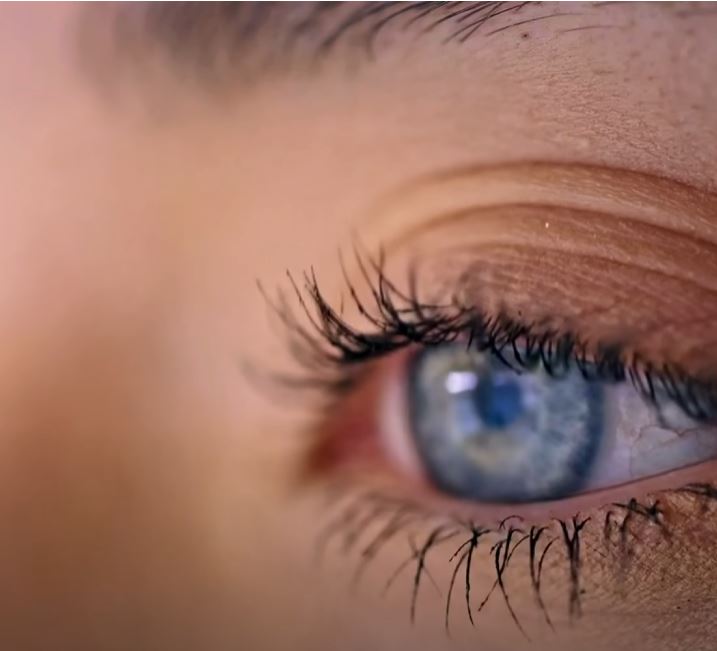
The story of blue eyes, encompassing about 10% of people, is particularly fascinating.
They result from a mutation in the OCA2 gene.
This genetic change, which occurred thousands of years ago, reduces melanin production and allows the blue hue, caused by Rayleigh scattering, to emerge.
Dr. Allen uses this point to explain how a small genetic twist can have a visible impact on our appearance.
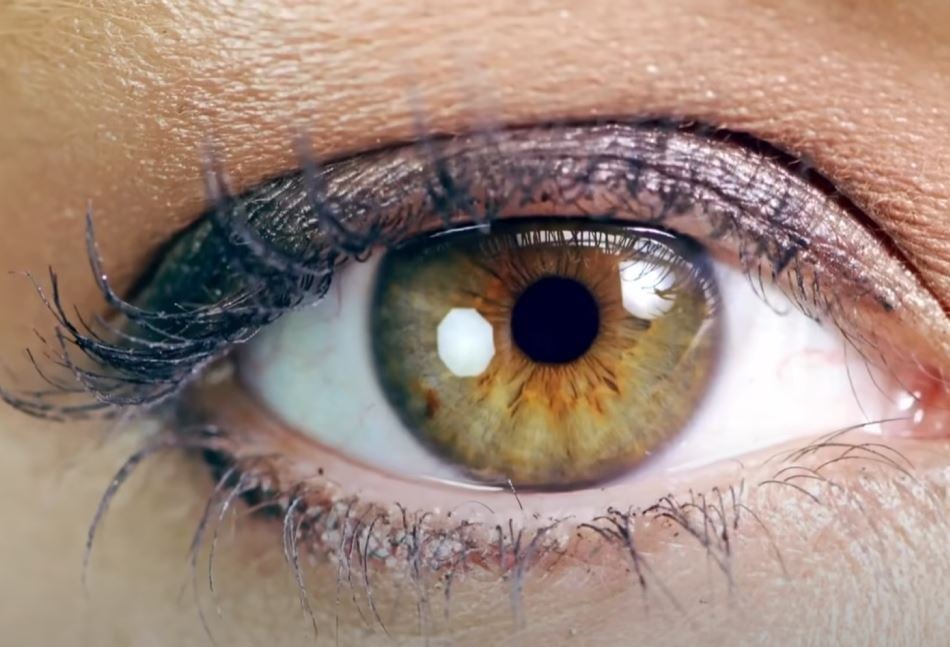
Hazel eyes, also covering roughly 10% of the population, are notable for their shifting colors.
Their appearance changes based on the lighting.
This variability is due to the different layers and types of collagen and melanin within the iris, making hazel eyes appear green, brown, or gold under varying conditions.

Amber eyes, which possess a golden to reddish tint, represent about 5% of the world’s population.
Their unique color comes from a higher level of pheomelanin.
This pigment provides amber eyes with a spectrum of warm hues that range from copper to deep russet, making for a captivating sight to anyone you make eye contact with.

Gray eyes, accounting for about 3% of people, exhibit a fascinating blend of blue and a minimal amount of melanin.
This combination gives them a distinctive steely color.
Dr. Allen points out that this delicate balance of pigments results in a rare and mesmerizing eye color that often draws attention.

Among the rarest are green eyes, found in just 2% of the population.
These eyes are a product of blue light scattering combined with lipochrome melanin.
This pigment interaction creates the lush green hue that is highly coveted and admired for its rarity and beauty.

On the spectrum’s extreme end are the purple, violet, red, and pink eyes, which occur in less than 1% of people.
These colors typically manifest in individuals with albinism.
The light reflecting off the retina in these cases produces the remarkable colors.
Dr. Allen also mentions black eyes associated with aniridia, where the iris is nearly absent, leading to significant light absorption.

Dr. Allen’s detailed analysis not only emphasizes the diversity of human eye colors but also the intricate genetic and biological processes behind them.
This exploration into the kaleidoscope of eye colors really makes you sit back and appreciate the millennia of genetics that makes humans to diverse, and it makes for a great topic of discussion when you’ve got to remind people that being different is beautiful.
Watch the interesting video below.
Please SHARE this with your friends and family.


