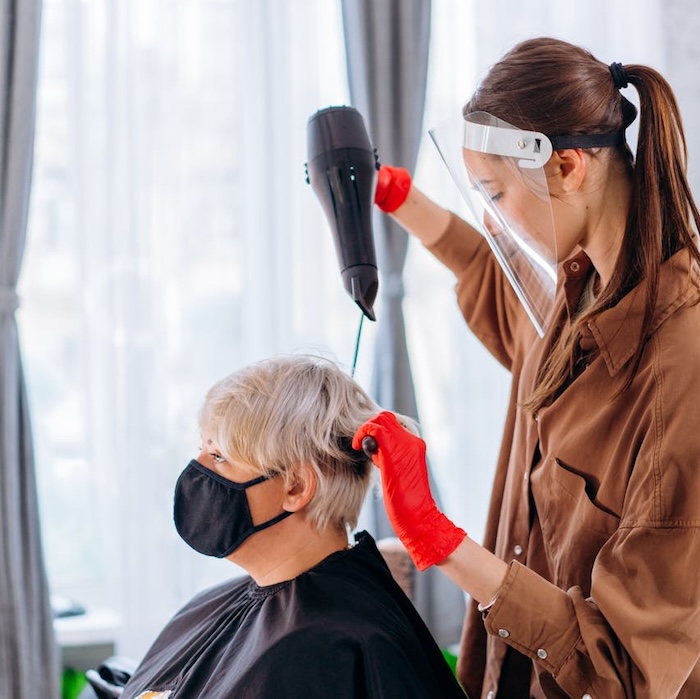
Drying your hair may seem mundane, often prompting a desire for alternative activities. Following a soothing bath, you likely proceed to towel off before snuggling under covers. However, to prevent the inconvenience of damp locks, it’s crucial to employ proper drying techniques, starting with your morning routine. In ensuring optimal hair drying, consider these tips that encompass brushing methods and drying tools to maintain hair quality.
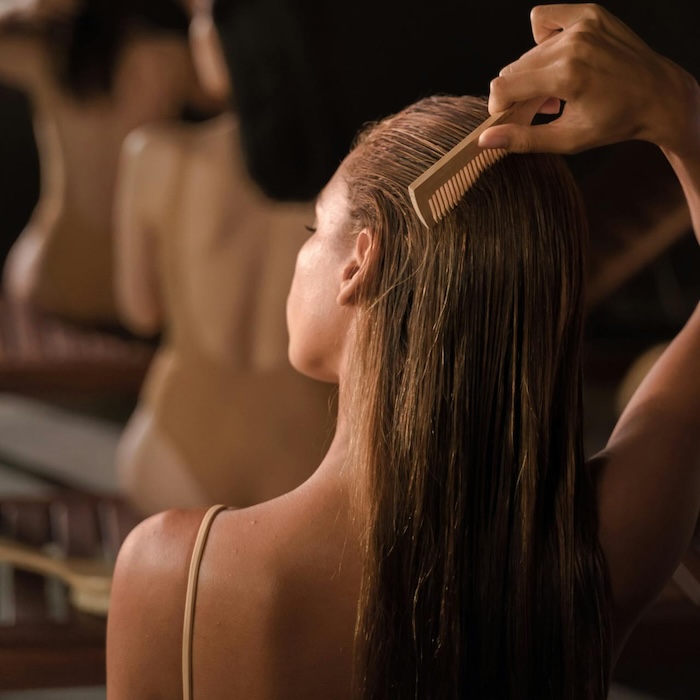
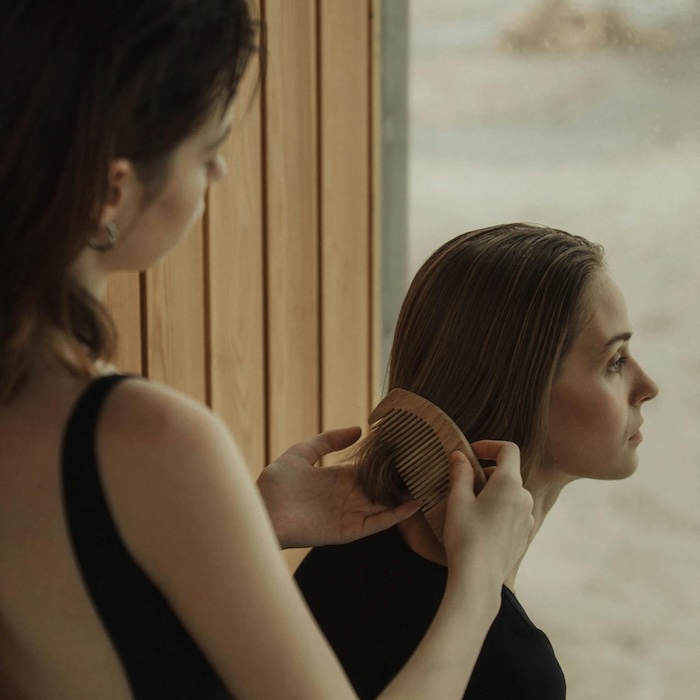
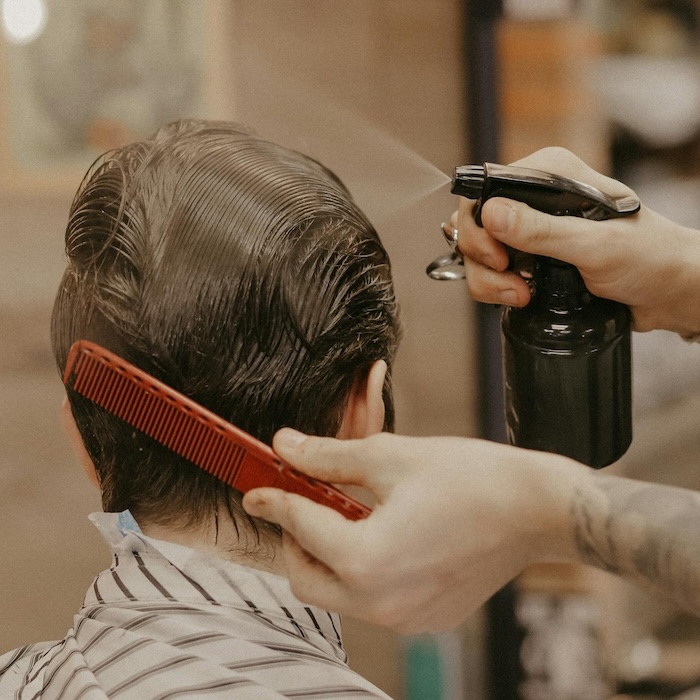
One common error is brushing wet hair, which can lead to significant damage. Instead, when pressed for time, opt for a wide-spaced comb to gently manage your hair without risking breakage, ensuring to comb from the ends upward after allowing it to partially dry to prevent hair fall.
Keep reading for more tips to make sure your hair stays healthy!
Don’t Go To Sleep With Damp Hair
Avoid going to bed with damp hair, even if it’s tempting to save time by leaving it partially dry. Failure to dry your hair before sleep can lead to irreversible damage, which may take months to repair, as the friction against the pillow during sleep can cause harm. Even hair that is slightly damp is susceptible to damage and should be thoroughly dried before bedtime.
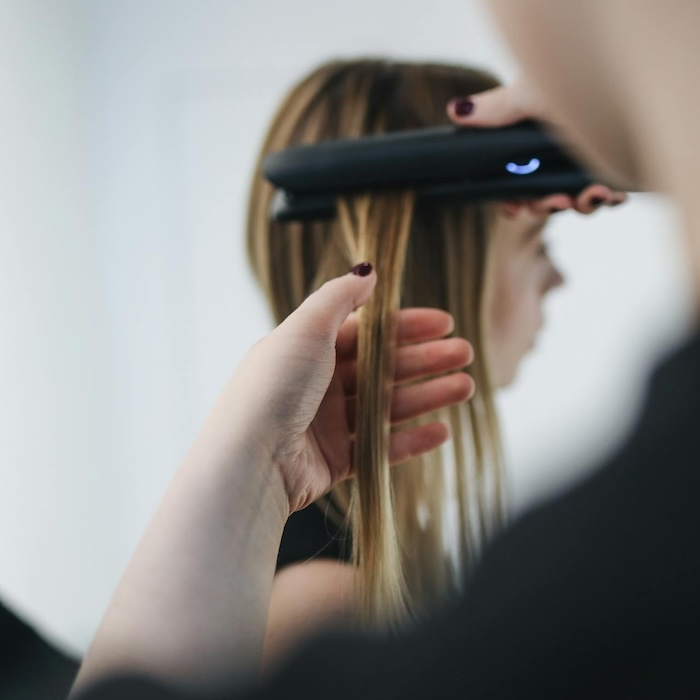
Ensure your hair is completely dry before using curling tongs or straighteners to avoid disastrous consequences. Applying heat tools to wet hair causes water trapped in the cortex to expand and burst, leading to significant damage. To set a style effectively, use hairspray and allow it to evaporate fully before using heated gadgets to prevent essentially frying your hair.
Opt for a microfiber towel over a regular one for gentler hair care. Microfiber towels are soft and free of harsh chemicals and less likely to cause tangles or damage while reducing frizz. Their lightweight nature makes them gentle on hair, and their multipurpose functionality extends to body and skin care as well. Additionally, they are easy to clean, adding to their convenience.
Avoid waiting until your hair is fully dry after shampooing, as it tends to become frizzy and difficult to detangle, leading to potential breakage. Instead, begin the detangling process while your hair is still damp to achieve smoother results. Use a wide-toothed comb, work in smaller sections, and start from the ends, gradually moving upwards to prevent breakage. Avoid combing straight down from the roots unless your hair is entirely tangle-free to prevent snapping. Additionally, apply leave-in conditioner before combing to further facilitate detangling and protect your hair.
After your hair has dried, consider applying a small amount of styling gel or cream, with the option to add hair oil for those prone to frizz. Distribute the product evenly through your hair using your fingers, avoiding brushing if you have kinky, textured, or curly hair; instead, use your fingers to separate and define curls. For straight hair, create volume by gently teasing hair from the bottom to the top.
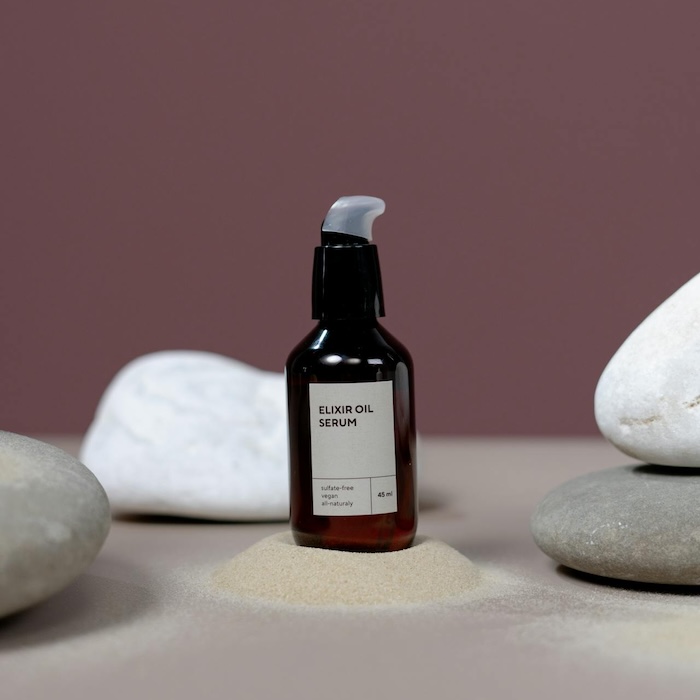
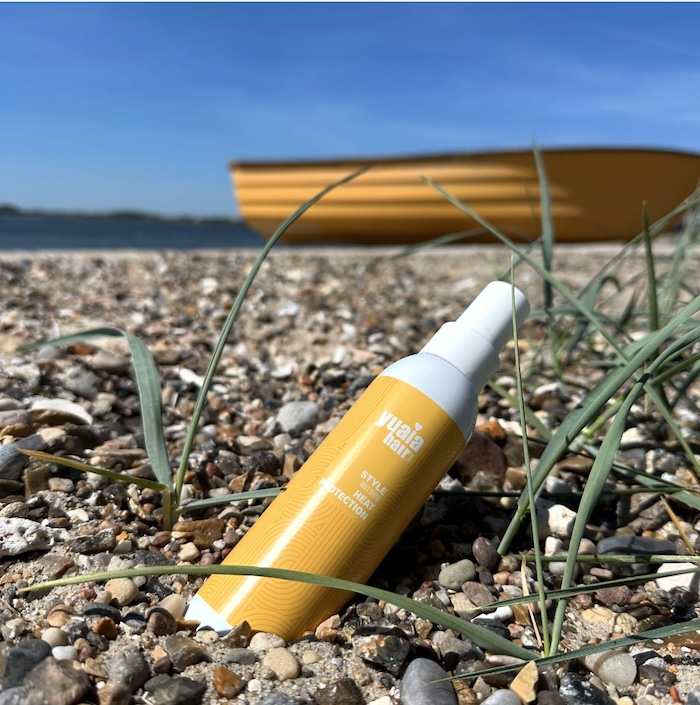
When pressed for time, opt for the lowest setting on your blow dryer to minimize the risk of hair appearing fried and dry. Prior to drying, apply a heat-protecting serum to safeguard your strands. Consider using an ionic hair dryer, offering the flexibility to reduce heat without compromising efficiency.
Gently dab your wet hair with a soft cotton T-shirt instead of a towel. Cotton is gentler than terry cloth and helps remove excess moisture without causing frizz. This technique can also help reduce hair breakage and maintain your hair’s natural texture.
Gently blotting your hair with a towel instead of rubbing it can make a significant difference in maintaining the health and appearance of your hair. When you rub your hair with a towel, the friction created can rough up the hair cuticles, leading to increased frizz and potential breakage. Wet hair is particularly vulnerable to damage because it is more elastic and can stretch further, making it more prone to snapping.
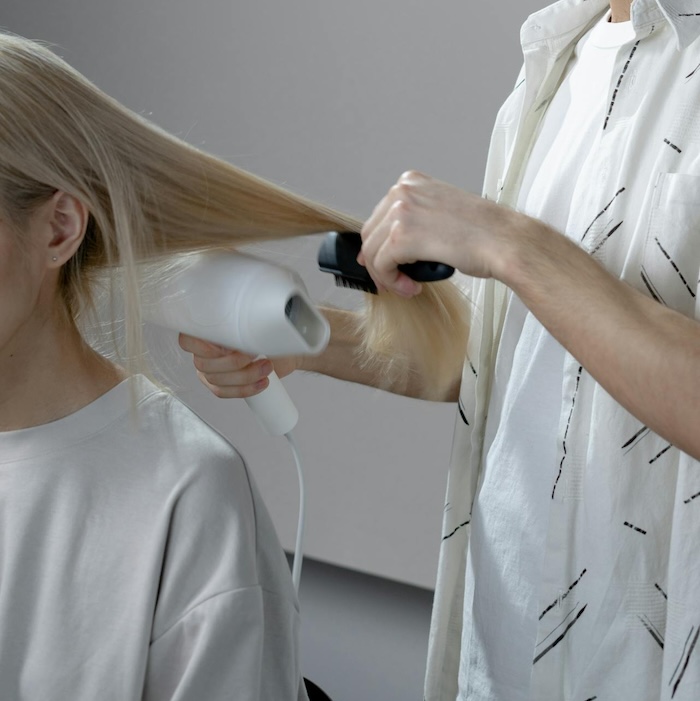
Always blow dry your hair from roots to ends to smooth the cuticle and prevent frizz. This technique ensures that the hair cuticles, which are like tiny shingles on the surface of each hair strand, lie flat and smooth. When the cuticles are aligned and sealed properly, your hair looks shinier, feels smoother, and is less prone to frizz and damage.
Avoid focusing the heat on one spot while blow drying your hair to prevent overheating and damage. Keeping the dryer moving ensures that no single area of your hair receives excessive heat, which can lead to dryness, breakage, and a dull appearance.
Apply a leave-in conditioner to damp hair to help detangle and protect it from damage. This also helps in keeping your hair moisturized and manageable. It can also provide additional benefits like heat protection and frizz control.
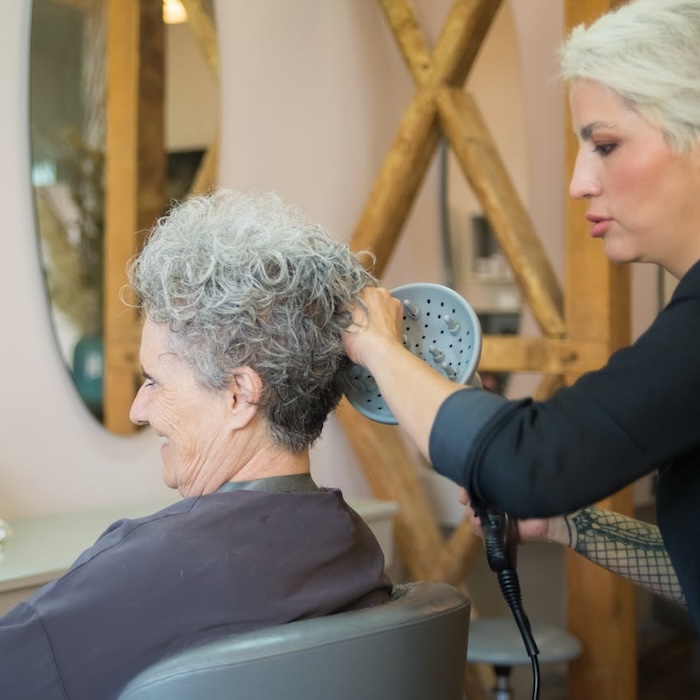
When using a blow dryer, attach a diffuser to help distribute the heat more evenly. This is especially useful for curly hair to reduce frizz and enhance curls. A diffuser can also help maintain your hair’s natural volume and texture.
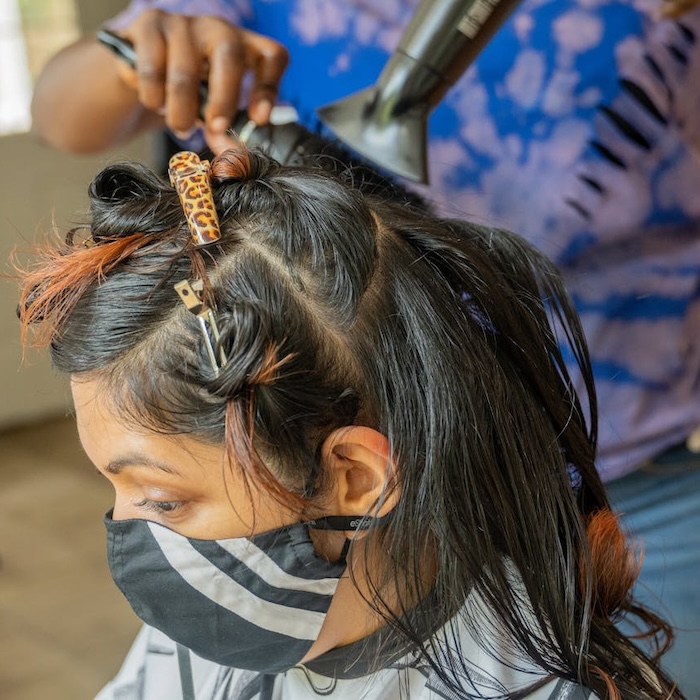
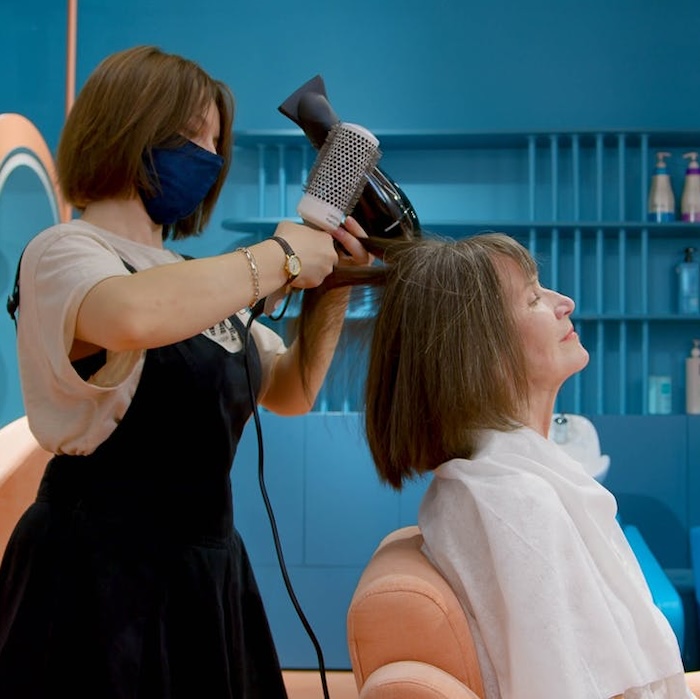
Divide your hair into sections before blow-drying to ensure each part is dried thoroughly and evenly. This also makes the process faster and more efficient. Working in sections allows for better control and styling precision.
Always apply a heat-protectant spray or serum before using any heat styling tools. This helps minimize damage from high temperatures. Heat protectants create a barrier that reduces moisture loss and prevents hair from becoming brittle.
Blow-dry your hair in a downward motion to help smooth the cuticle and reduce frizz. This technique helps achieve a sleeker finish and adds shine. It also prevents the hair from becoming fluffy and unmanageable.
Before using a brush, use your fingers to gently lift and separate your hair while blow-drying to remove the bulk of the moisture. This initial step is crucial as it minimizes damage and prepares your hair for styling.
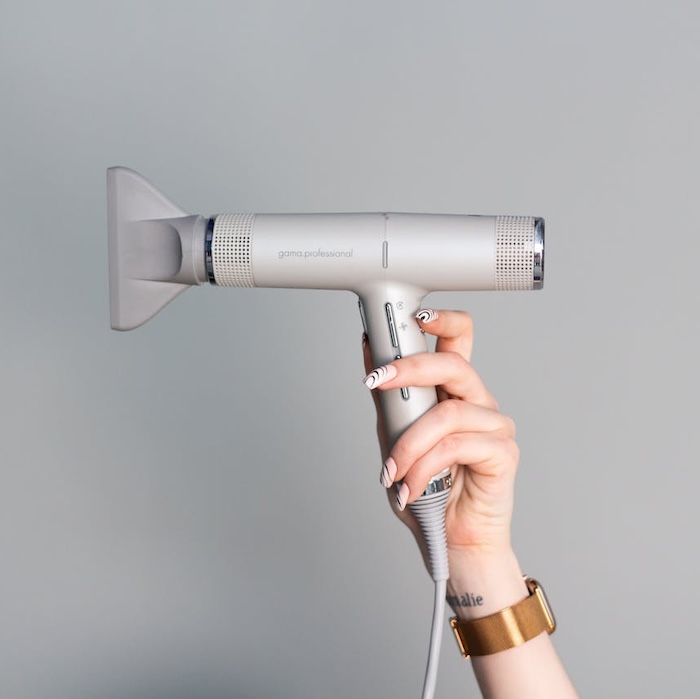
Use an ionic blow dryer to help reduce drying time and minimize frizz. Ionic dryers emit negative ions that break down water molecules faster. They also help seal the hair cuticle, resulting in smoother and shinier hair.
After blow-drying, use the cool shot button on your blow dryer to set your style and add shine. Cool air helps to close the hair cuticle, locking in moisture and reducing frizz. It also helps your hairstyle last longer.
Stop blow-drying when your hair is about 90% dry to avoid over-drying, which can cause brittleness and damage. Letting the remaining moisture air-dry can prevent your hair from becoming overly dry and frizzy. This method helps maintain your hair’s natural moisture balance.
For added volume, flip your head upside down while blow-drying. This lifts the roots and adds body to your hair. It’s an easy trick to create a fuller, more voluminous look without the need for additional products.
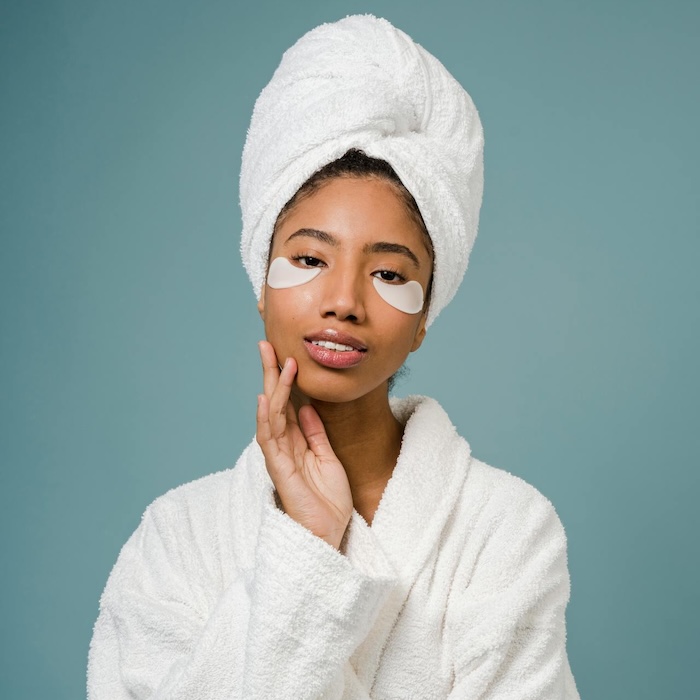
Wrap your hair in a towel turban after washing to help absorb excess water. This allows you to go hands-free while your hair dries partially. Towel turbans are gentle on your hair and can help reduce drying time and frizz.
Scrunch your hair with a towel or your hands while it dries to enhance natural waves and curls without using heat. This method helps create a beachy, textured look that’s easy and effortless. It’s a great way to embrace your hair’s natural movement.
Never use curling irons or straighteners on wet hair as it can cause severe damage. Ensure your hair is completely dry before using any heat styling tools. Applying heat to wet hair can cause the water to boil, leading to hair breakage and split ends.
Try different air-drying techniques like braiding or twisting your hair while it’s damp to create natural waves and curls without heat. These methods can add texture and volume to your hair. They are also a healthier alternative to heat styling.
Apply hair products designed to speed up air-drying, such as quick-dry sprays or lightweight mousses, to reduce the drying time and add texture. These products can help you achieve your desired style more quickly and easily. They also enhance your hair’s natural shine and manageability.
Minimize touching your hair while it air-dries to prevent frizz and disrupt the natural drying process. Let it dry naturally without interference for best results. This helps maintain the smoothness and integrity of your hair.
Expert shares 9+ tips to dry your hair the right way
Jaclyn Abergas
05.23.24
Drying your hair may seem mundane, often prompting a desire for alternative activities. Following a soothing bath, you likely proceed to towel off before snuggling under covers. However, to prevent the inconvenience of damp locks, it’s crucial to employ proper drying techniques, starting with your morning routine. In ensuring optimal hair drying, consider these tips that encompass brushing methods and drying tools to maintain hair quality.
One common error is brushing wet hair, which can lead to significant damage. Instead, when pressed for time, opt for a wide-spaced comb to gently manage your hair without risking breakage, ensuring to comb from the ends upward after allowing it to partially dry to prevent hair fall.
Keep reading for more tips to make sure your hair stays healthy!