


Journey back in time to ancient Egypt, where the pursuit of cleanliness and aesthetic perfection shaped daily life. Delve into their meticulous grooming practices, from the application of makeup to cleansing rituals, which laid the foundation for modern beauty products. Discover how innovations like dark eye makeup and wigs not only enhanced appearance but also served as ingenious solutions for enduring the sun’s harsh rays and combating pests. Explore the fascinating world of ancient Egyptian hygiene and its enduring impact on contemporary beauty standards.
Only the wealthy owned toilets

In ancient Egypt, the wealthy possessed seats crafted from limestone, placed atop sand-filled boxes. Unfortunately, someone had the unenviable task of emptying these seats. Meanwhile, the majority of the population relied on the Nile for their bathroom needs, despite also using it for drinking, bathing, and laundering clothes. While hygiene was taken seriously, proper sanitation was overlooked, leading to…
They shaved their heads to avoid lice
They used deodorant
Mints and herbs kept their mouths fresh
Circumcision

People washed clothing in infested waters

Perfumes were diverse
The wealthy had indoor baths
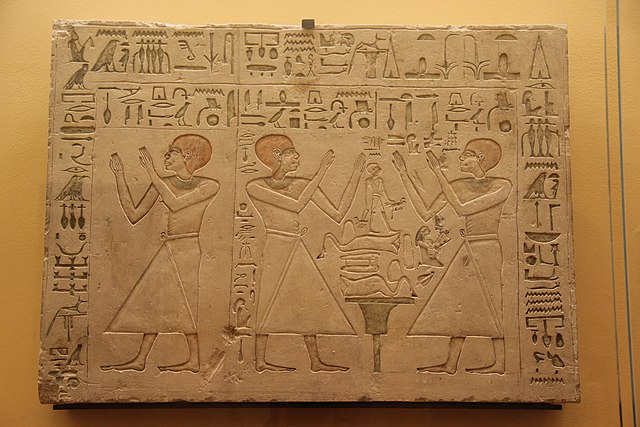
Laxatives and enemas
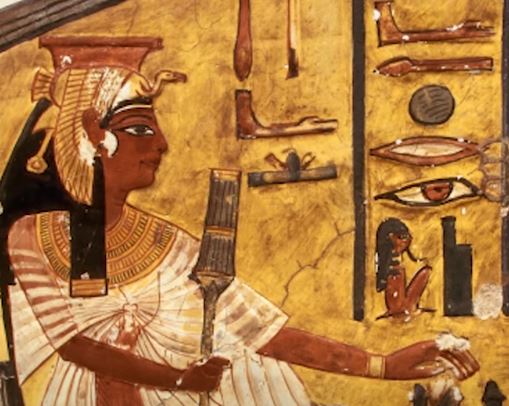
Cosmetics for aesthetics
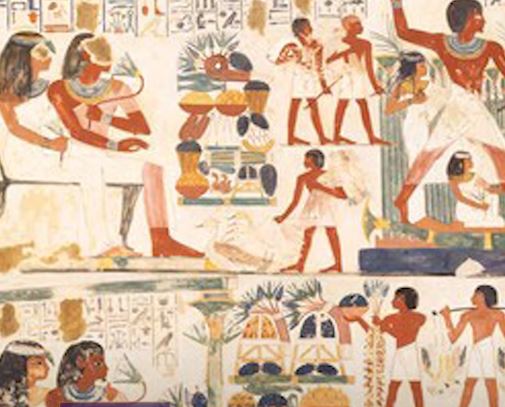
Toothbrush and toothpaste
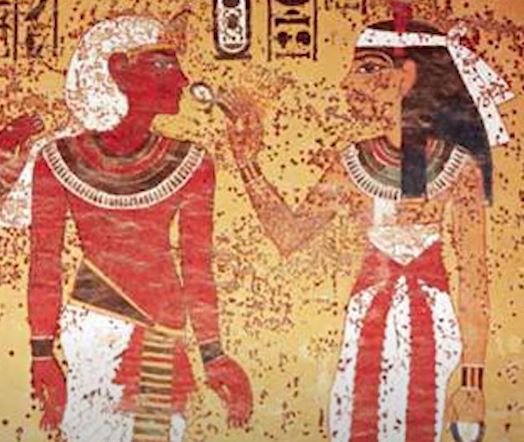
Sunscreen and moisturizers

The wealthy got manicures
Food preparation was unsanitary
Towers were built to escape mosquitoes

Beauty beyond the grave
Preventive medicine
Medical knowledge
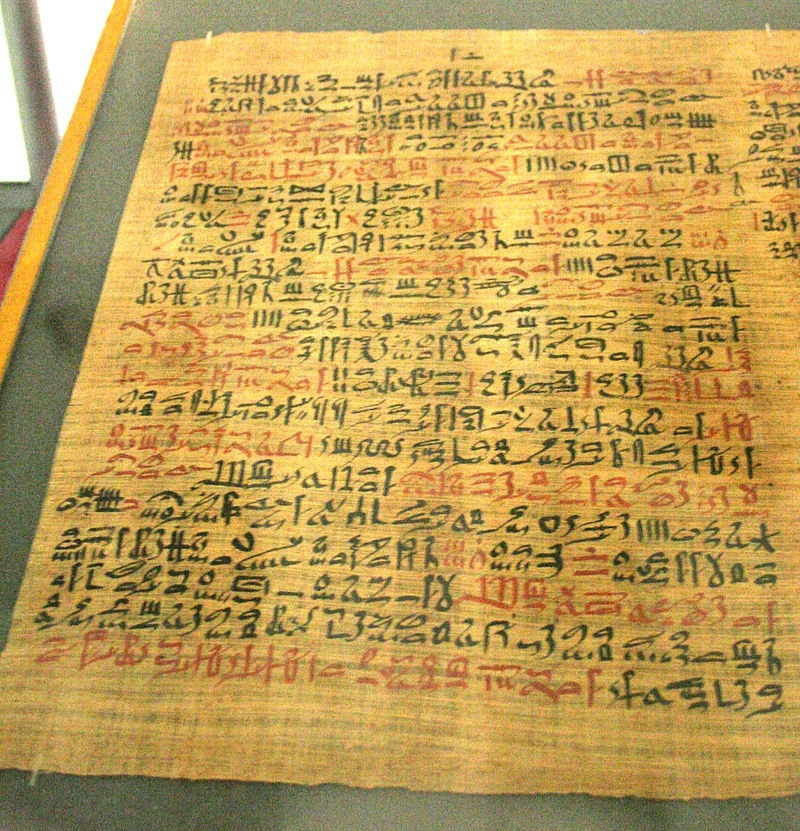
Hair care
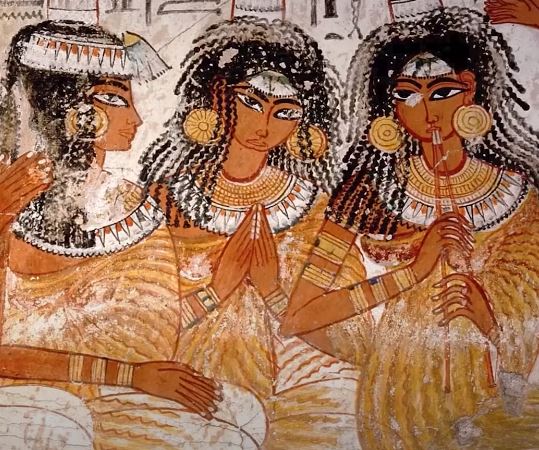
Pregnancy tests used ember and barley

Antiseptic Bandage
Ancient Egyptians used honey, which contains natural antibacterial properties, as a key ingredient in bandages for treating wounds. They combined honey with resin and lint to create effective dressings that helped prevent infections. This practice was well-documented in medical texts and has been confirmed through analysis of mummified remains.
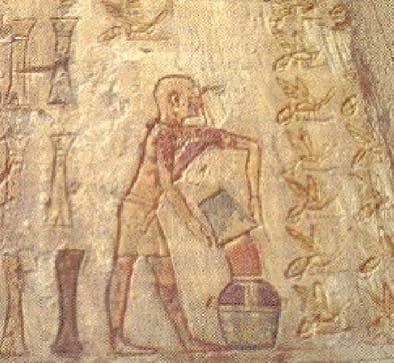
Surgical Instruments
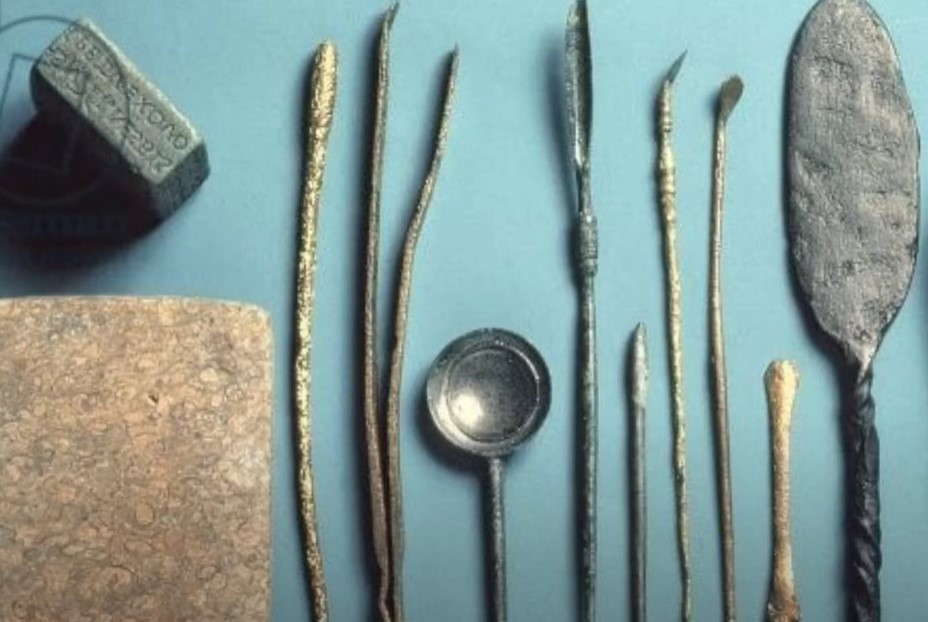
Archaeologists have discovered a variety of sophisticated surgical tools, such as scalpels, forceps, and surgical saws, in tombs and ancient medical sites. These instruments indicate that ancient Egyptian physicians performed complex surgeries. Texts like the Edwin Smith Papyrus provide detailed descriptions of surgical procedures, demonstrating their advanced understanding of anatomy and surgical techniques.
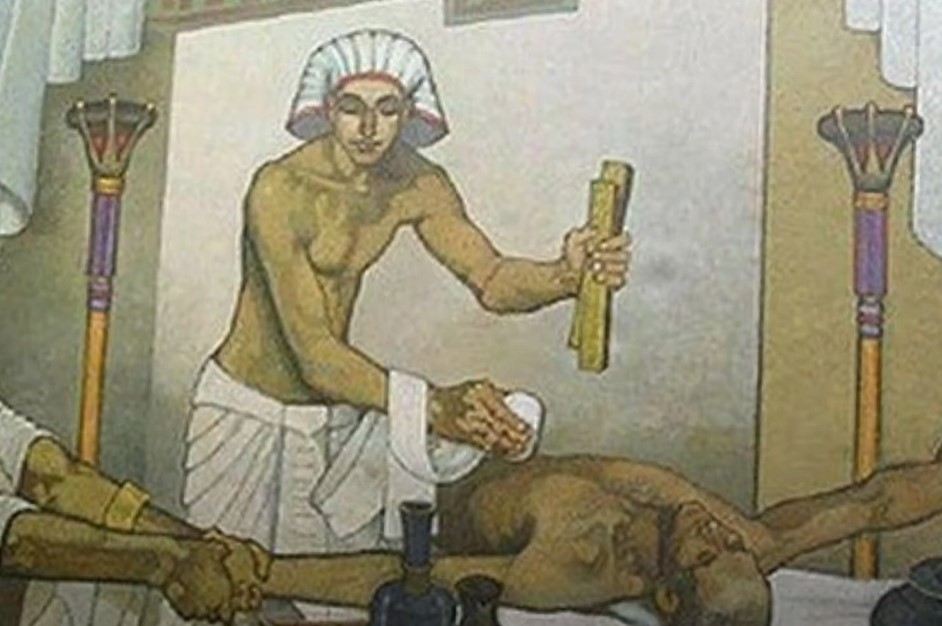
Dental Work
Evidence from mummies shows that ancient Egyptians practiced dental work, including drilling cavities and extracting teeth. They used rudimentary tools made from copper and other metals. Dental papyri, such as the Ebers Papyrus, contain treatments for toothaches and gum disease, highlighting their attempts to manage dental health despite the limited technology.
Animal Dung Medicine
Some ancient Egyptian remedies included the use of animal dung, mixed with other ingredients, to treat various ailments. While this practice may seem unorthodox and potentially harmful by modern standards, it reflects their experimental approach to medicine. For example, crocodile dung was sometimes used in topical applications, believed to ward off infections.

Prosthetic Limbs
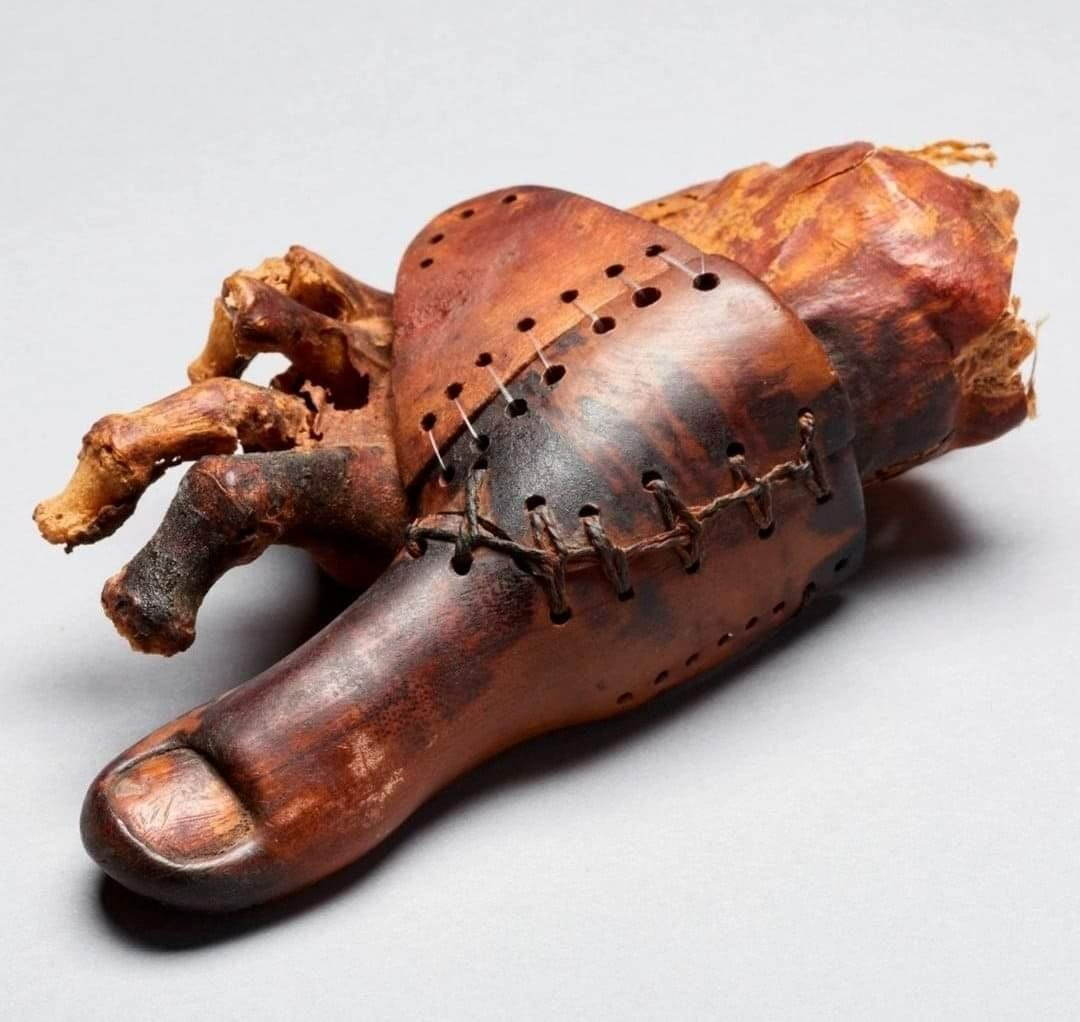
Mummies have been found with prosthetic limbs, such as toes and fingers, crafted from materials like wood and leather. These prosthetics were designed to be functional and aesthetic, allowing individuals to maintain their mobility and appearance. The discovery of such prosthetics provides insight into the advanced medical and craftsmanship skills of ancient Egyptians.
Eye Makeup for Health
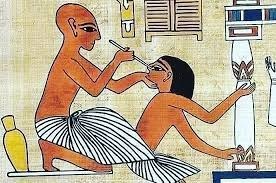
Kohl, a dark eye makeup made from galena and other minerals, was used not only for cosmetic purposes but also to protect the eyes from infections. The antimicrobial properties of the ingredients helped prevent eye diseases, which were common in the dusty environment of Egypt. Additionally, the makeup reduced glare from the sun, providing further eye protection.
Natural Birth Control
Ancient Egyptians used various methods of birth control, including pessaries made from acacia gum and honey. Acacia releases lactic acid, which acts as a spermicide. Instructions for these contraceptives are found in medical texts like the Kahun Gynecological Papyrus, indicating a sophisticated understanding of reproductive health.
Baldness Treatments
Remedies for hair loss included mixtures of fats from animals such as lions, hippos, and crocodiles. These treatments were applied to the scalp in the hope of promoting hair growth. The Ebers Papyrus lists several recipes for treating baldness, showing that concerns about appearance and health were addressed with creative solutions.
Bed Rest
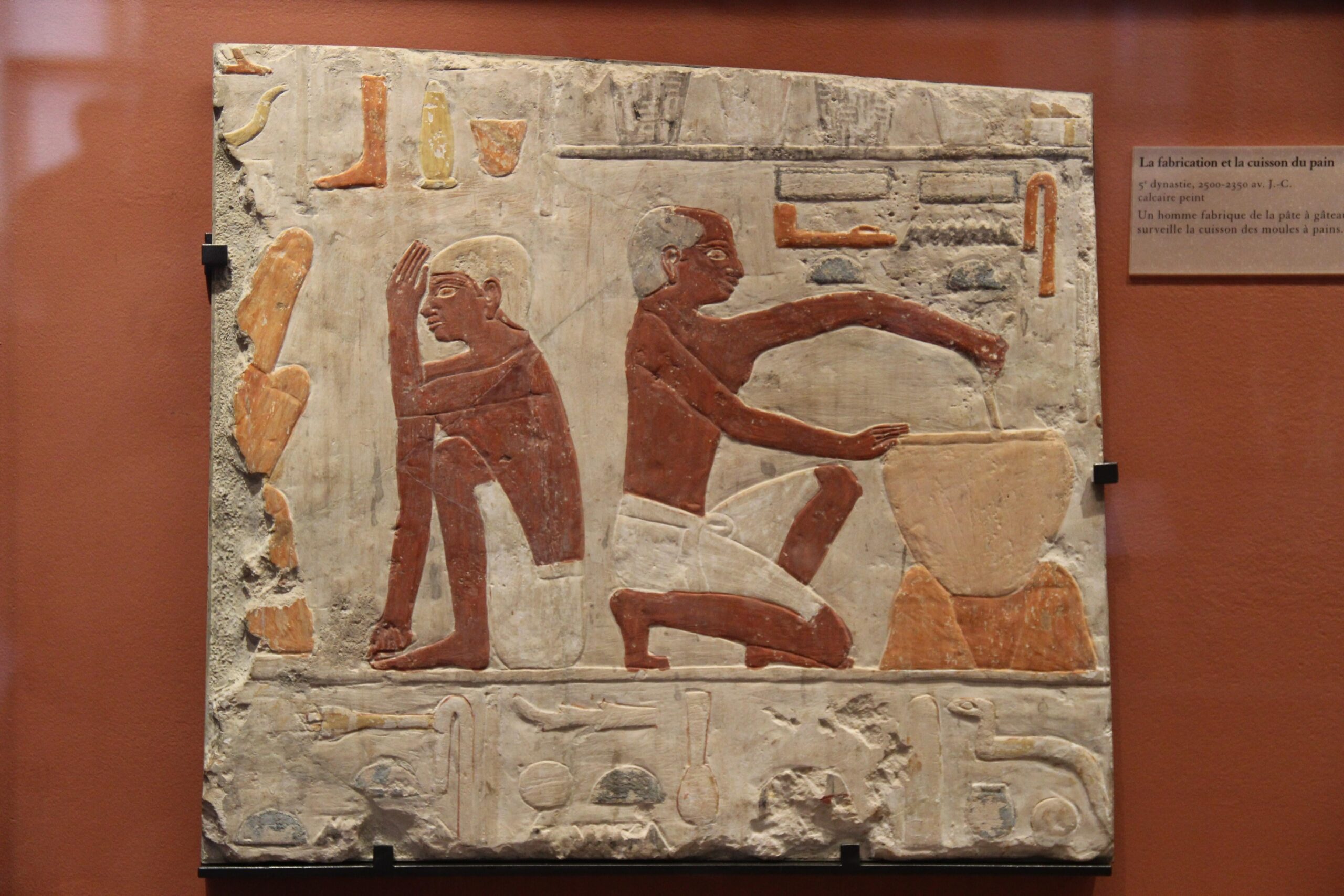
Physicians in ancient Egypt often prescribed bed rest as a key component of treatment for various illnesses. Rest was considered essential for recovery, allowing the body to heal naturally. This practice is documented in medical papyri, which outline rest as part of a holistic approach to health, including diet and hygiene.

Insect Repellents
Aromatic plants and oils, such as myrrh and frankincense, were used to repel insects and protect against bites. These substances were burned or applied to the skin to keep pests at bay. The use of natural repellents highlights the Egyptians’ awareness of the health risks posed by insects, including the transmission of diseases.
Fumigation
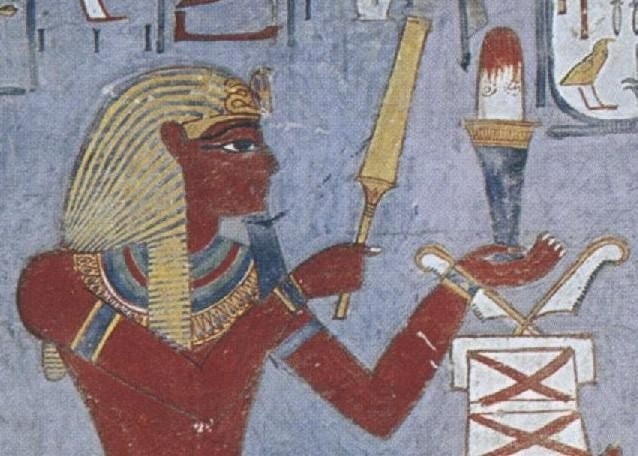
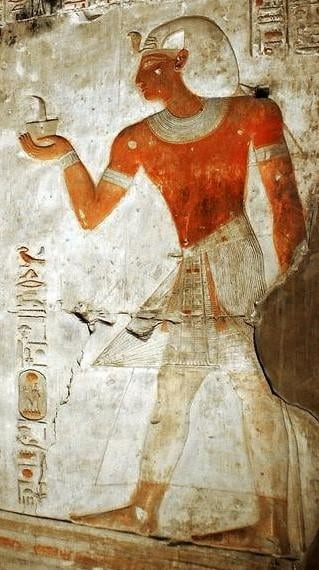
Fumigating homes and medical spaces with burning herbs and resins was a common practice to purify the air and ward off evil spirits. This practice was believed to cleanse the environment of harmful influences and diseases. The use of aromatic fumigation is frequently mentioned in medical and religious texts, underscoring its dual role in health and ritual.
Medical Papyrus Texts
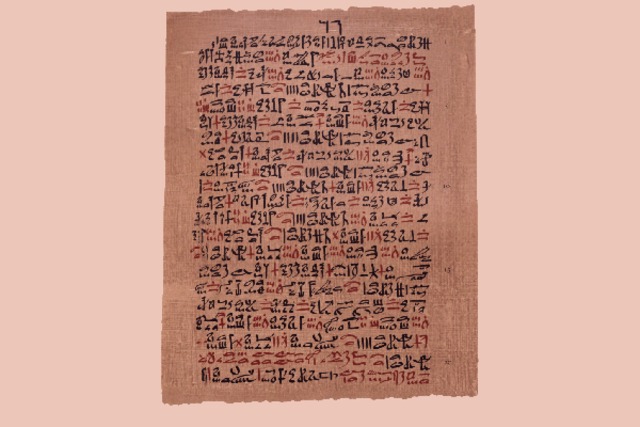
Extensive medical texts, such as the Ebers Papyrus and the Edwin Smith Papyrus, document a wealth of medical knowledge and practices. These texts cover a wide range of topics, from surgical procedures to treatments for common ailments. The detailed records provide a comprehensive view of ancient Egyptian medical expertise and their systematic approach to healthcare.
Daily Bathing Rituals
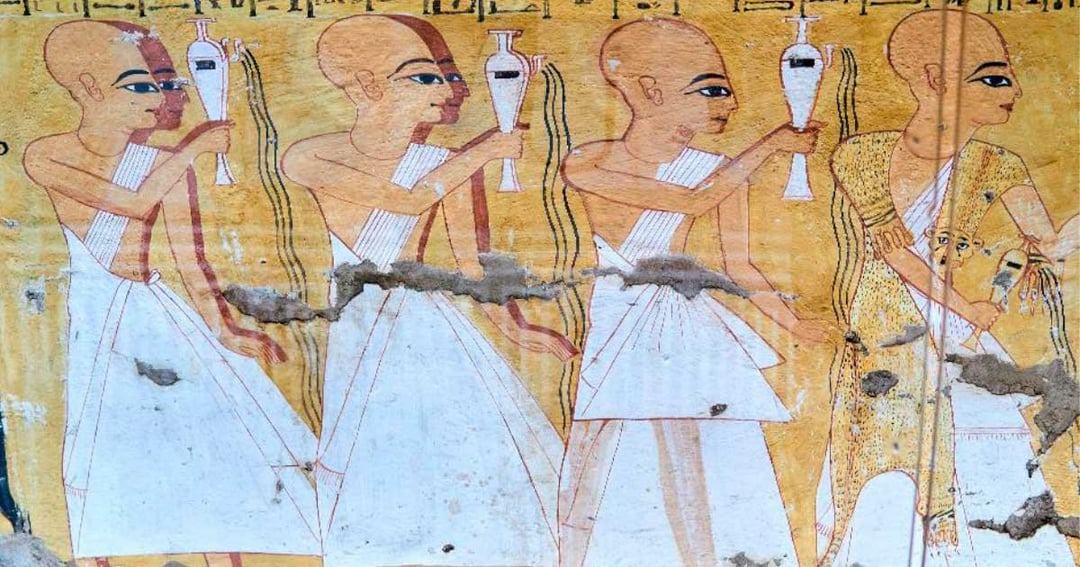
Priests in ancient Egypt adhered to strict bathing rituals, often bathing several times a day as part of their religious duties. Cleanliness was associated with purity and was essential for performing religious ceremonies. These bathing practices extended to the general populace, emphasizing the cultural importance of hygiene.
Orthopedic Practices
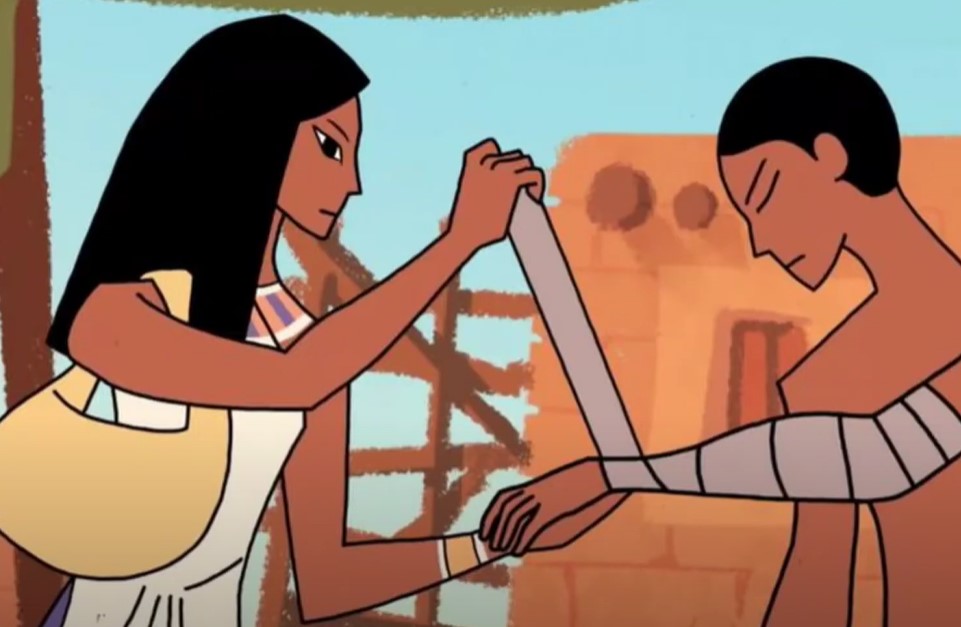
Splints made from natural materials like reeds and wooden sticks were used to immobilize and treat broken bones. These splints were often padded with linen or other soft materials to ensure comfort and effective healing. The meticulous care in treating fractures is evident in both textual records and archaeological finds.
Snakebite Remedies
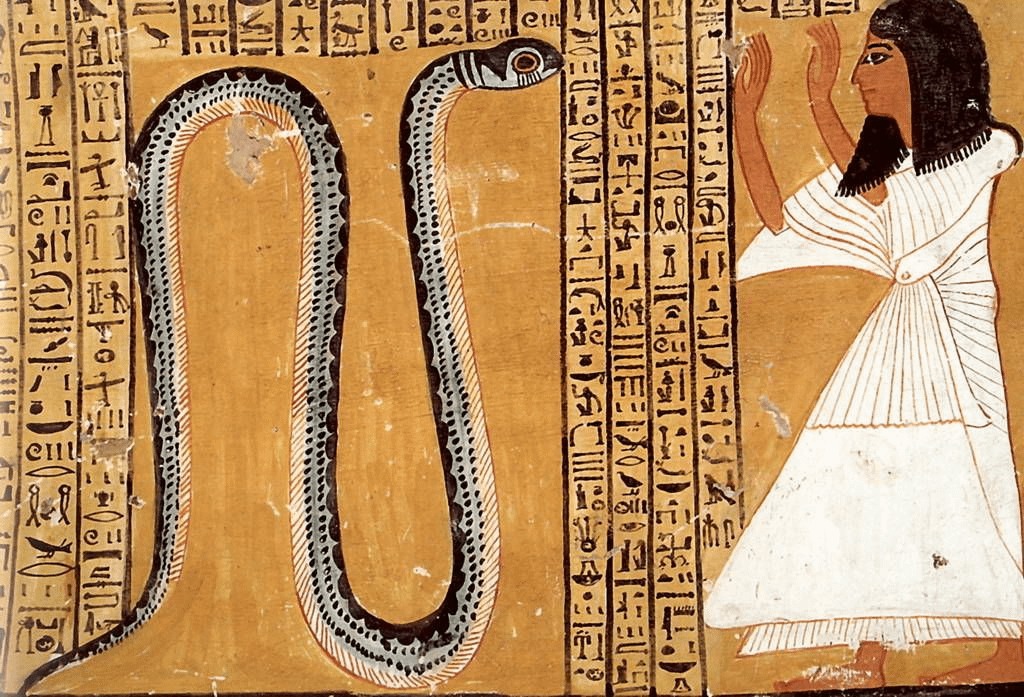
Specific treatments for snakebites included both medicinal and magical approaches. Remedies often involved the application of herbs and ointments, as well as reciting protective spells. Snakebite treatments are detailed in various medical papyri, reflecting the prevalence of snakes and the Egyptians’ efforts to mitigate their dangers.
Bloodletting
Though less common than in later cultures, bloodletting was practiced to balance the body’s humors and treat certain conditions. This technique was believed to release excess blood and restore equilibrium within the body. References to bloodletting can be found in medical texts, illustrating its role in ancient Egyptian therapeutic practices.

Health Amulets
Amulets were worn to protect against various illnesses and to promote good health. These amulets, often inscribed with protective symbols and deities, were believed to have magical properties. The widespread use of health amulets underscores the interplay between medicine and magic in ancient Egyptian culture.
Magic and Spells
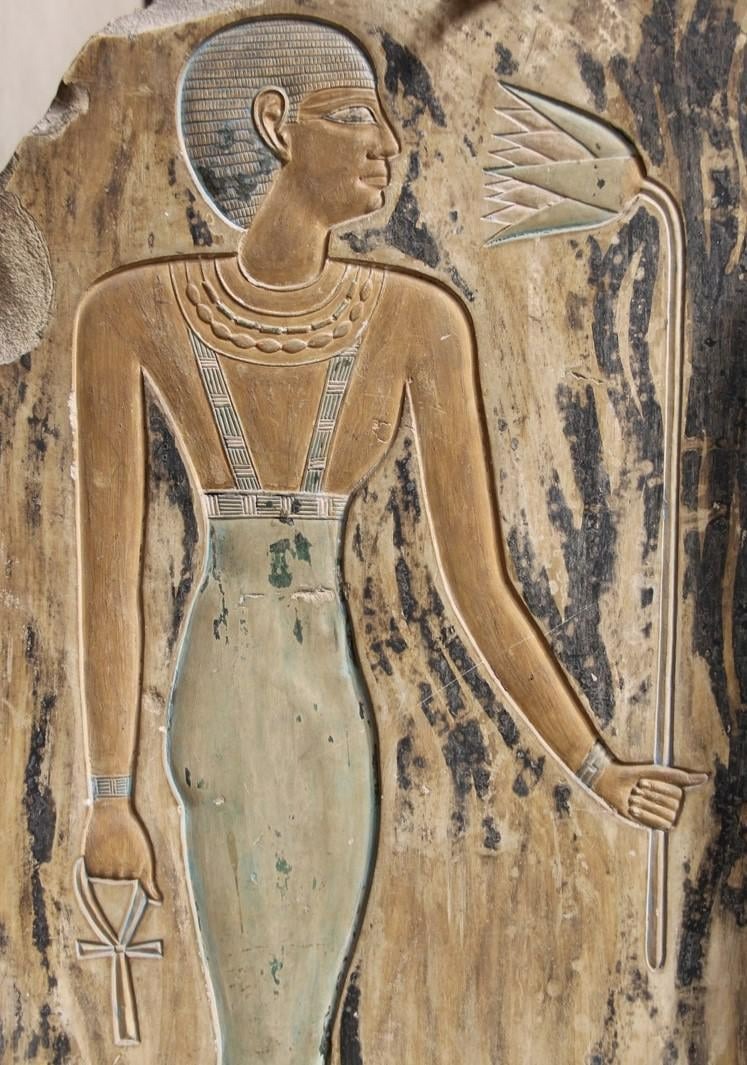
Magic and spells were integral to medical treatment, often used in conjunction with practical remedies. Physicians and priests recited incantations to invoke divine assistance and enhance the effectiveness of their treatments. This combination of magic and medicine is well-documented in texts like the Book of the Dead and medical papyri.
Veterinary Medicine
Caring for animals, especially livestock, was an important aspect of ancient Egyptian life. Veterinary treatments included remedies for common ailments and injuries. Texts such as the Kahun Veterinary Papyrus provide insights into the medical care provided to animals, highlighting the Egyptians’ understanding of animal health.
Food as Medicine
The ancient Egyptians recognized the health benefits of certain foods and incorporated them into their medical treatments. For instance, garlic was widely used for its medicinal properties, including promoting heart health and boosting the immune system. Dietary recommendations and food-based remedies are frequently mentioned in medical papyri, demonstrating their holistic approach to health.
Please SHARE this with your friends and family.


