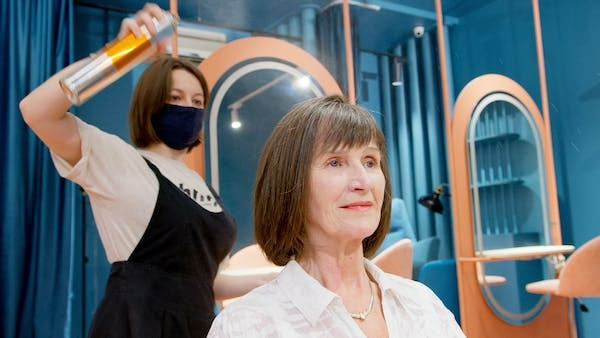
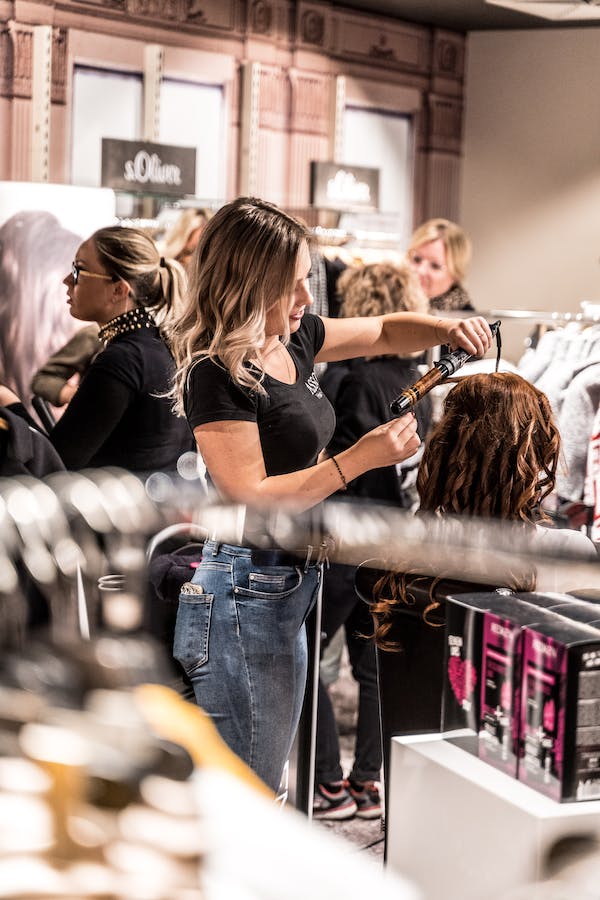
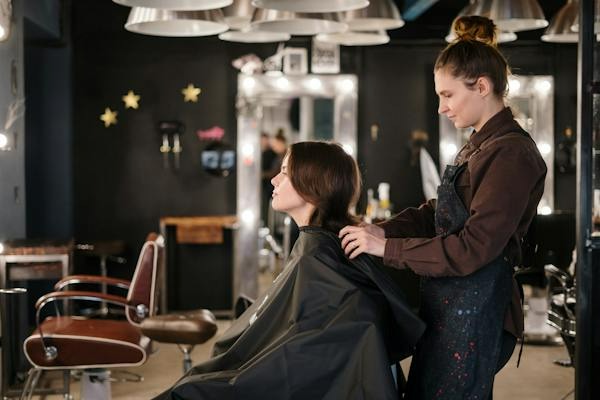
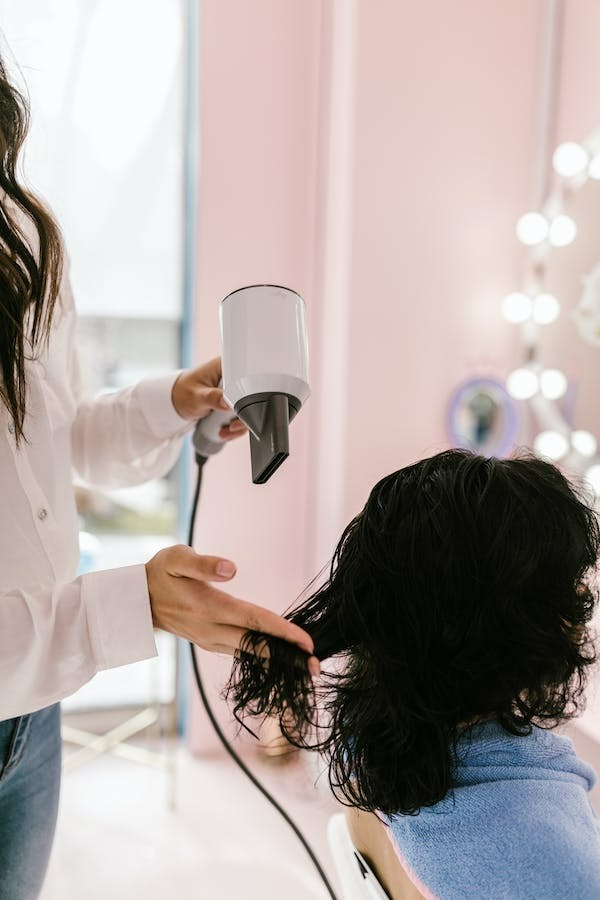
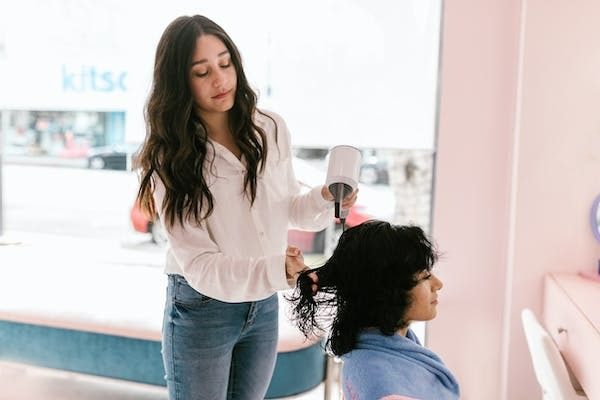
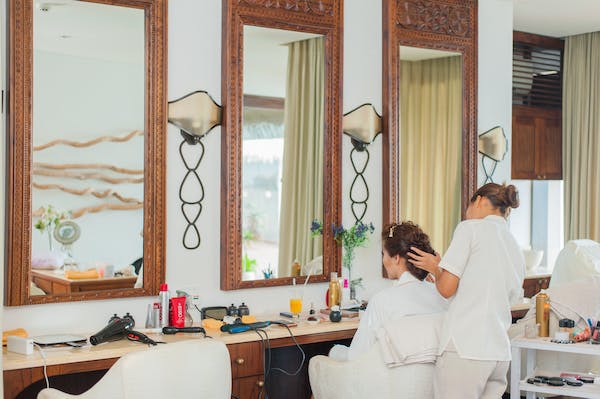
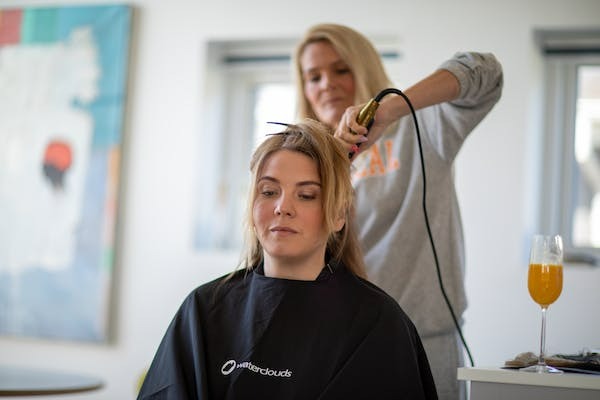
Leaving the salon with a fabulous haircut is unmatched, boosting confidence and adding a spring to your step. Conversely, a bad haircut can be disheartening. To avoid such mishaps, besides knowing hairstylist pet peeves, it’s crucial to recognize red flags indicating a potential poor outcome. Experts share key signs to watch for in predicting an unsatisfactory cut or color.
The salon is dirty
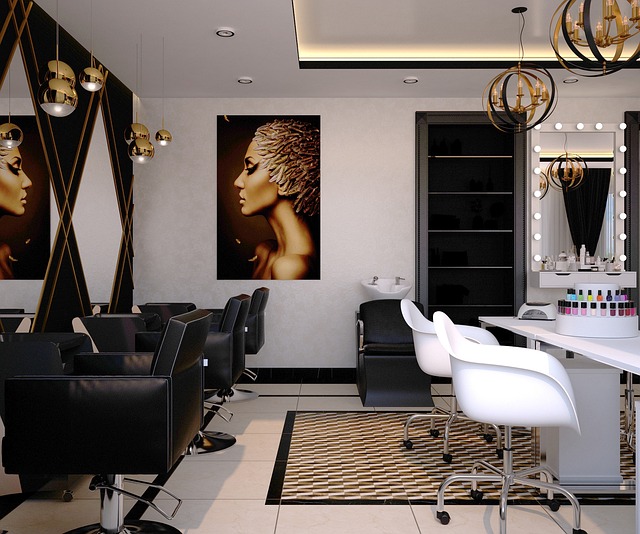
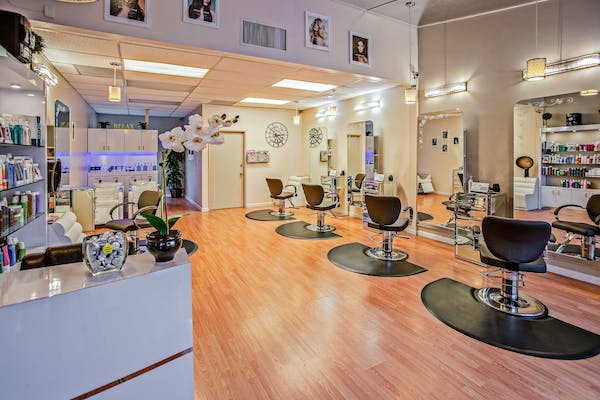
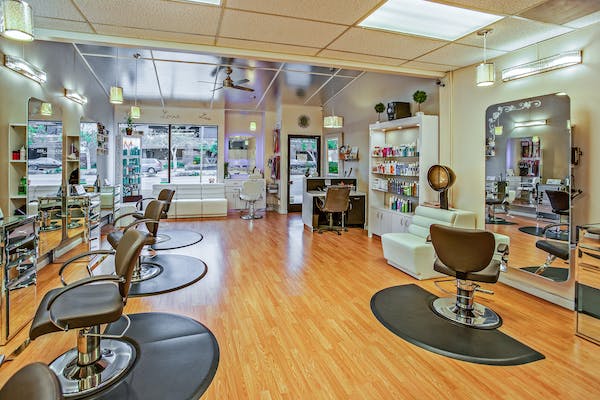
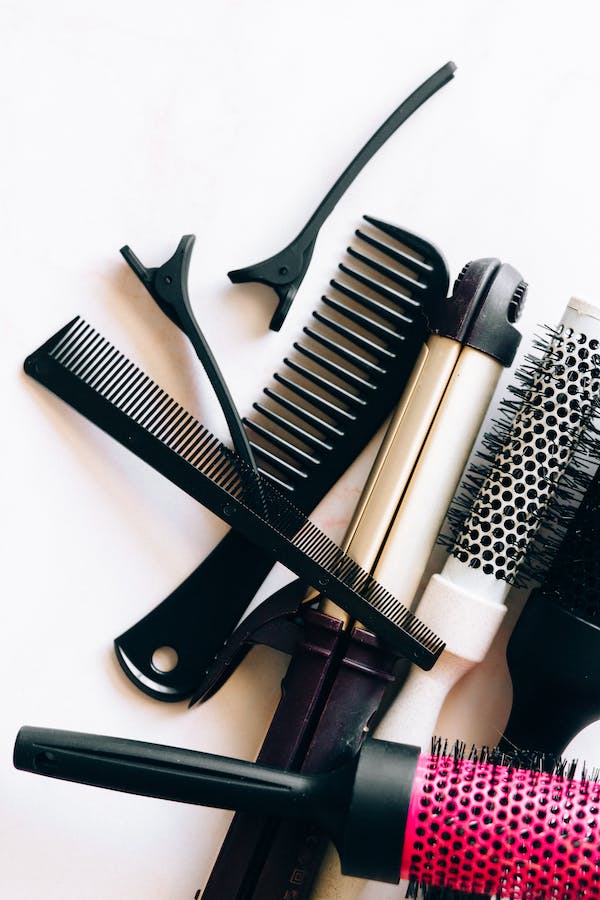
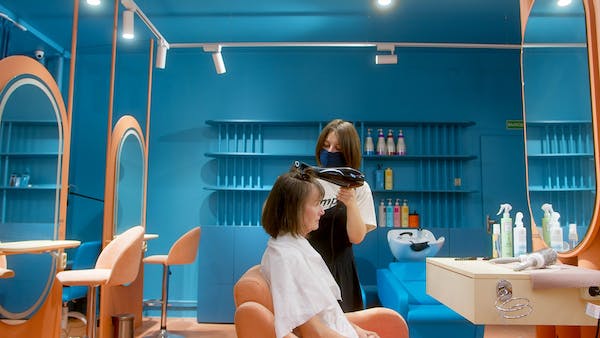
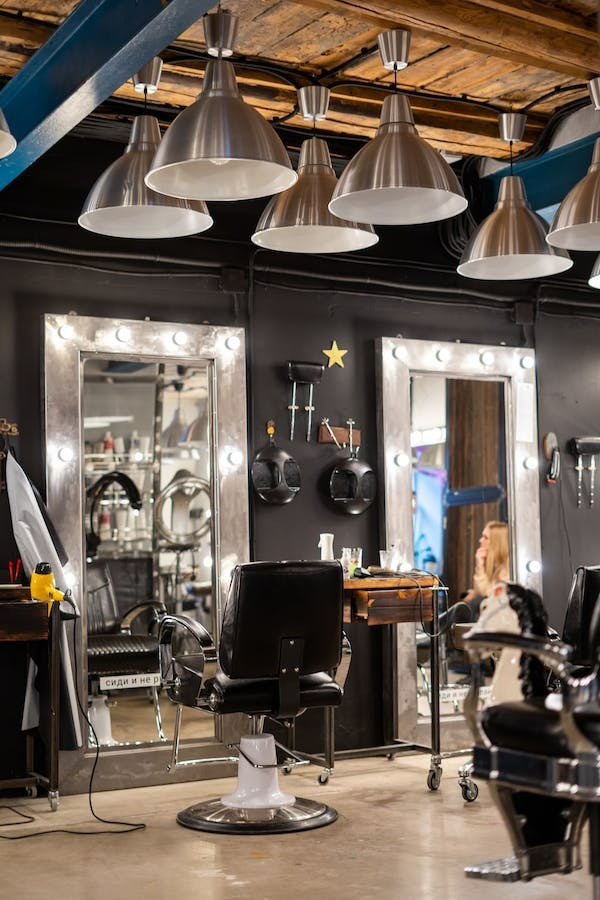
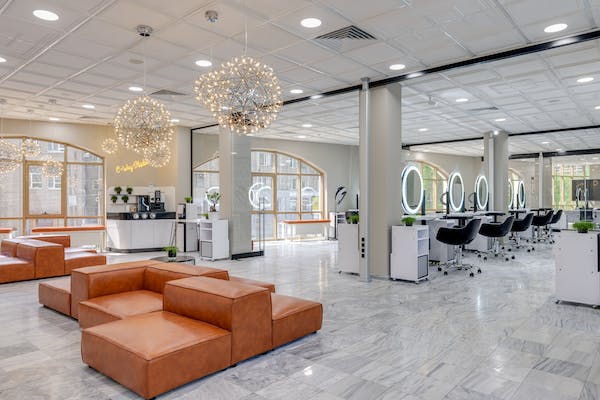
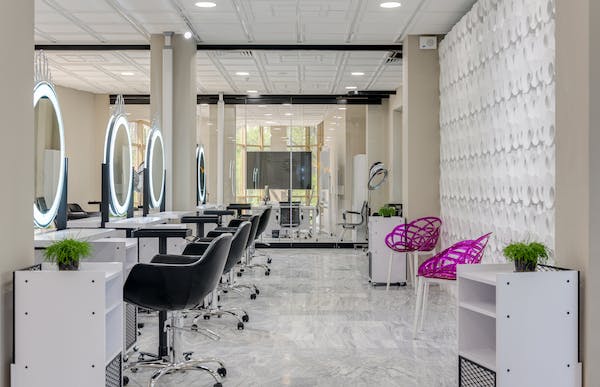
Entering a doctor’s office that’s untidy would make anyone uncomfortable, and the same goes for a hair salon, according to celebrity hairstylist Shantise Michelle. A visibly dirty or unkempt salon could indicate a lack of emphasis on cleanliness and sanitation, posing potential health risks. Signs of “dirty” include visibly dirty tools, excessive dust, or piles of hair left uncleaned even after clients have left. Whether you’re getting a haircut or seeking styling advice, choosing a clean salon is crucial for a positive experience.
The stylist won’t share examples of past work
Whether you’re aiming for graceful gray hair growth or seeking hairstyles for women over 40, it’s beneficial if new stylists can showcase their work. If they don’t share client cuts on social media, requesting pictures of their previous work is essential. According to Michelle, the inability to provide examples is a red flag. Even newer stylists should have examples from their training to demonstrate their skills.
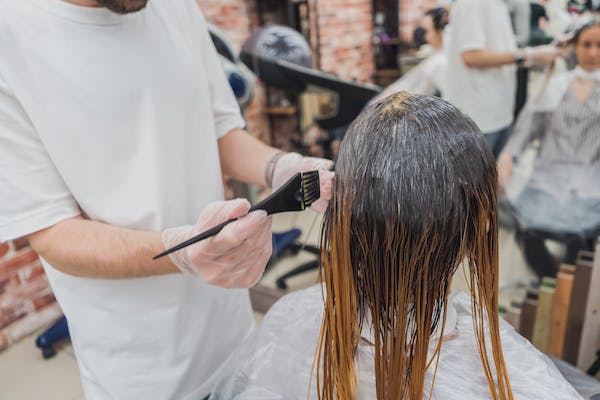
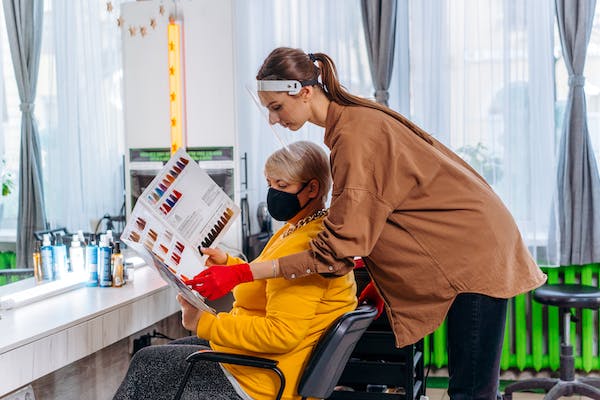
Before a stylist starts your first cut or color, it’s crucial for them to gather essential information. Palomino advises stylists to inquire about recent treatments and your typical hairstyling routine. This information is vital for tailoring the cut or color to your needs, ensuring a result you’ll love. Questions may include your hair history, recent treatments, and details about your last hair color.
Your stylist, as the professional, should provide input when you seek their opinion. According to Palomino, a lack of response may indicate inexperience or difficulty with interaction. A competent stylist should understand different cuts for various hair textures, face shapes, and lifestyles. In an ideal collaboration, you bring your knowledge of your hair, and they contribute professional expertise, offering guidance on decisions like the best blow-dryer for your hair type or styles that suit your face shape.
When it comes to your hair, a good hairstylist should respect your preferences and offer suggestions without pressuring you into a specific style. Achieving the perfect cut involves a collaborative process, allowing you to provide feedback on their suggestions. Additionally, hairstylists should avoid being pushy about product purchases, ensuring your comfort and budget are respected.
If a salon consistently appears empty or frequently offers deep discounts, it should raise concerns. According to Palomino, if a brand-new salon is still establishing itself or if a salon has recently reopened after a closure (due to the pandemic or other reasons), it might not be a red flag. However, if an established salon is consistently empty, it could be a reason to consider other options. To assess the salon’s activity, try visiting on a Saturday, the busiest day, to gauge its atmosphere before making an appointment.
Just as you would check restaurant reviews before dining, apply the same logic when choosing a new stylist. Look up the salon on platforms like Yelp or Google, and thoroughly read the reviews. If you come across mentions of hair in the food or roach sightings, it’s a red flag—just as it would be for a restaurant. Consider finding a different stylist or salon for a better experience.
An assistant takes you straight to a shampoo station
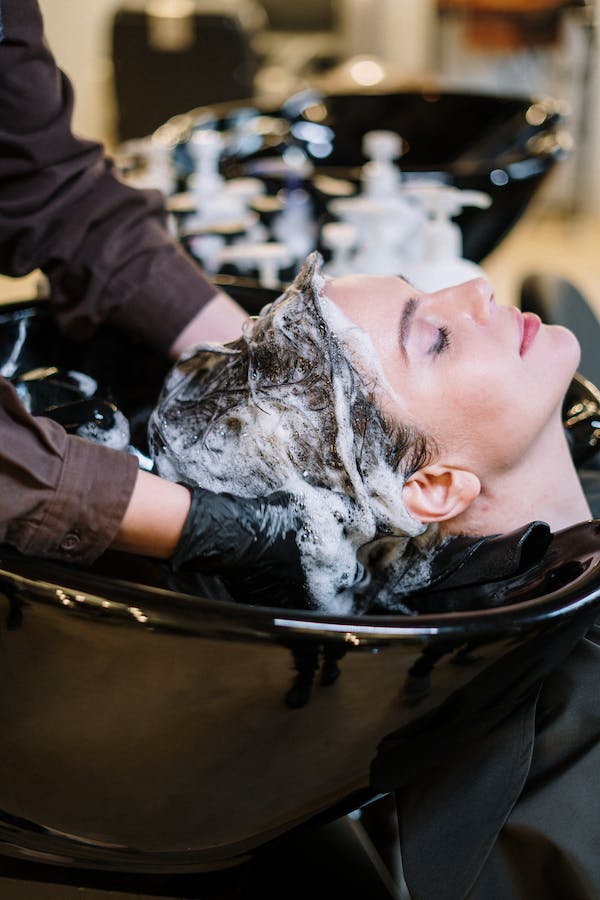
If you enter a new salon and an assistant quickly ushers you to the shampoo station, it should raise concerns. According to Michelle, a stylist should always assess your dry hair upon arrival, as this provides crucial insights into its natural behavior, enabling more informed recommendations. Therefore, an immediate move to the shampoo station may be a sign of a less thorough or experienced stylist.
The condition of a stylist’s hair can serve as an advertisement, and if it appears severely damaged, it might be a red flag, according to Michelle. Damaged hair may suggest a lack of knowledge in proper hair care, raising concerns about how they might treat your hair. It’s important to assess the condition, not the specific style, focusing on signs of dryness, brittleness, or damage. While personal style preferences may differ, a stylist’s access to effective hair treatments should ideally prevent an unkempt appearance. If their own hair appears less than healthy, it could be a cause for concern.
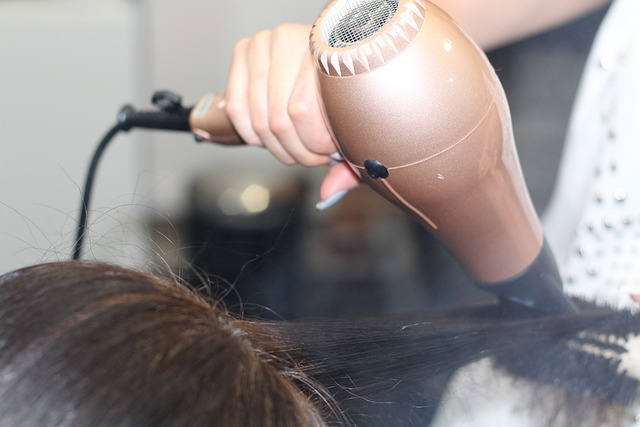
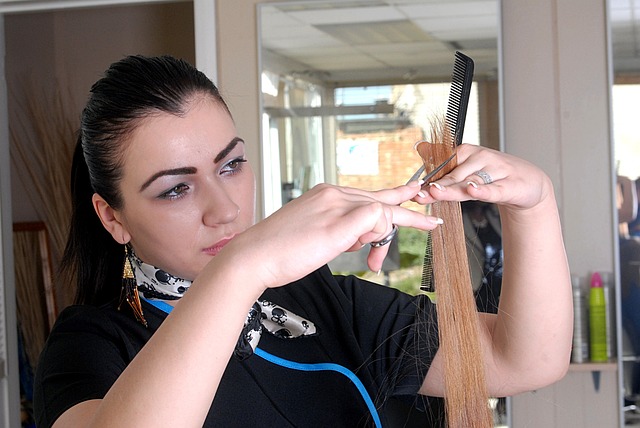
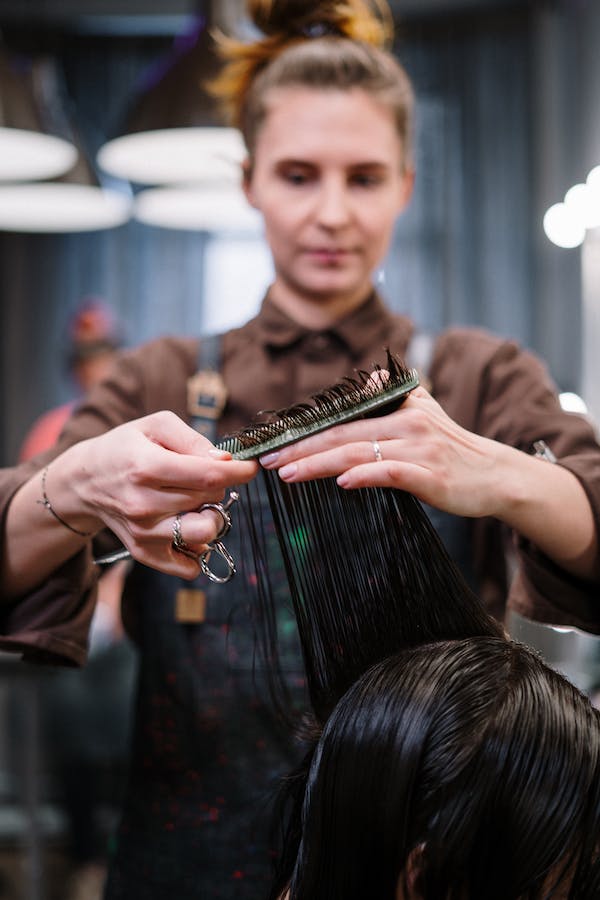
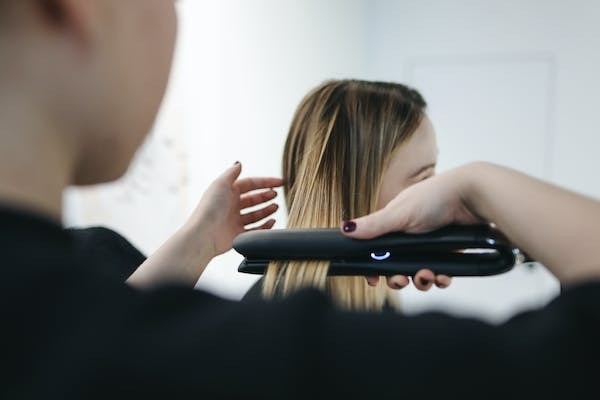
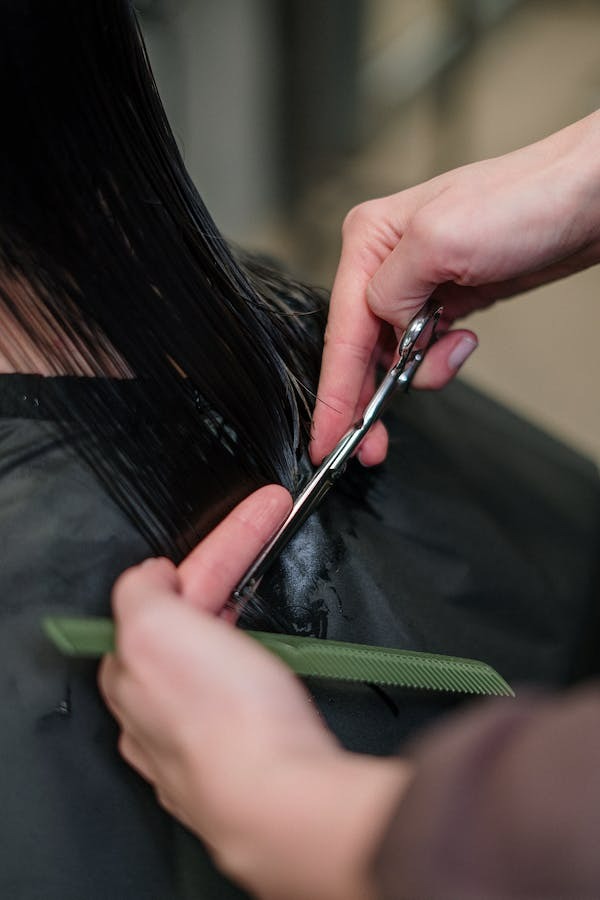
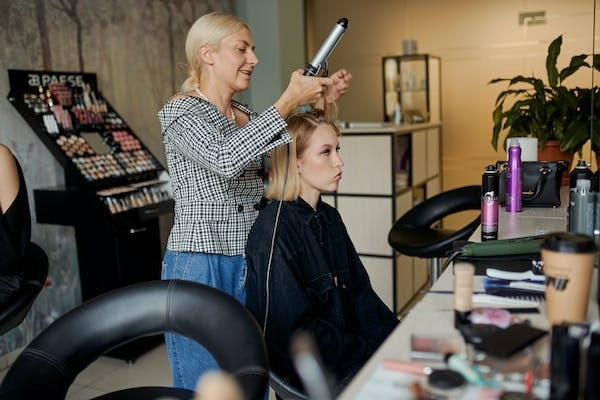
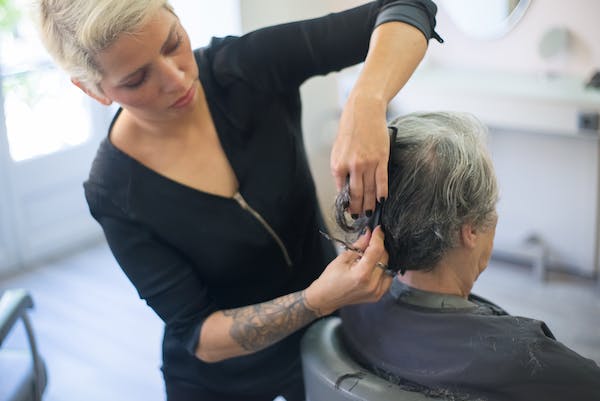
Accidentally dropping a brush may not be a big deal, but if your stylist appears nervous, bites their lip, or seems unsure while using tools like scissors, it could be a red flag, according to Michelle. Pay attention to their comfort level and ease in handling tools as they move around their station. A well-trained stylist should demonstrate confidence and familiarity with tools such as a hair-straightener brush. Setting you up in the chair, including tasks like clipping on the cape or adjusting the chair height, should be second nature for a skilled stylist.
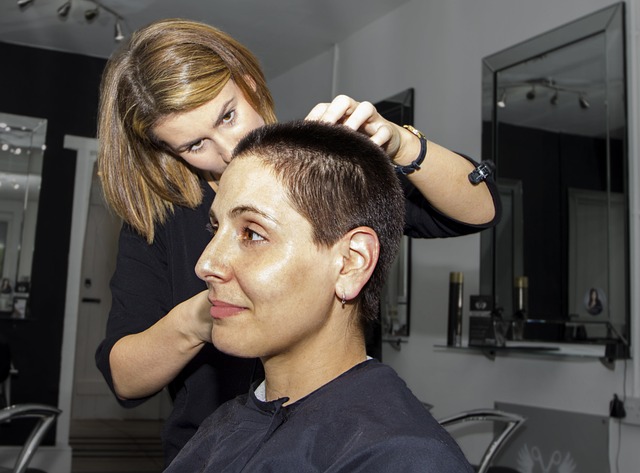
After completing your haircut, a good stylist should initiate another consultation, turning you toward the mirror and providing a handheld mirror for you to assess the back of your head, according to Michelle. This step is crucial as it ensures that both you and the stylist are on the same page and that you are satisfied with the results. If you are not thrilled with the outcome or believe it’s a bad haircut, it becomes even more important. You should feel comfortable expressing what isn’t working for you, and the stylist should be open to offering suggestions on how to alter the cut to better suit your preferences. Michelle emphasizes that a good stylist should not react negatively to this kind of feedback.
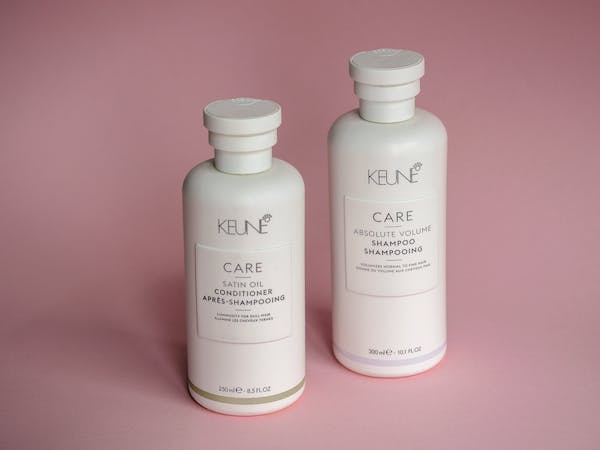
A good stylist should discuss personalized aftercare at the end of your appointment, including recommendations for shampoo, conditioner, and styling tips tailored to your hair’s needs and your specific cut.
The absence of professional-grade products suggests the salon may not be investing in quality resources, potentially compromising the health and look of your hair.
20+ Red Flags You’re About to Get a Terrible Haircut
Eduardo Gaskell
01.15.24
Leaving the salon with a fabulous haircut is unmatched, boosting confidence and adding a spring to your step. Conversely, a bad haircut can be disheartening. To avoid such mishaps, besides knowing hairstylist pet peeves, it’s crucial to recognize red flags indicating a potential poor outcome. Experts share key signs to watch for in predicting an unsatisfactory cut or color.
The salon is dirty
Entering a doctor’s office that’s untidy would make anyone uncomfortable, and the same goes for a hair salon, according to celebrity hairstylist Shantise Michelle. A visibly dirty or unkempt salon could indicate a lack of emphasis on cleanliness and sanitation, posing potential health risks. Signs of “dirty” include visibly dirty tools, excessive dust, or piles of hair left uncleaned even after clients have left. Whether you’re getting a haircut or seeking styling advice, choosing a clean salon is crucial for a positive experience.