The human body is incredibly interconnected, yet many of us overlook or take this for granted. Often, our bodies signal problems that we fail to recognize until it’s too late. While doctors are essential, doing your own research can sometimes save you significant money by preventing a hospital visit.
Your body consistently provides clues about your health. Continue reading and be vigilant for any of these symptoms. Regular health checks are a wise practice.
Don’t ignore a bright red tongue
This is one time you have permission to stick your tongue out. If it appears more vibrant than usual, specifically a beefy-red color, it could indicate iron or B12 vitamin deficiencies. A change in color is a reason for concern.
Sweat scent
Though it may seem unpleasant, sweat can reveal important information about your health. An acetone-like smell often indicates low blood sugar. If your sweat smells like ammonia, it’s advisable to see a doctor, as this could be an early sign of liver or kidney problems.
Faces apparently reveal a lot. For example, men with wide faces. A study from Nipissing University found that men with wider faces are more prone to cheating. These men tend to have a higher sex drive, leading them to look around more.
Men with ring fingers longer than their pointer fingers may have higher levels of testosterone exposure in utero, which surprisingly impacts their health. Scientists say these men’s brains and bodies are different, and not always for the better. Men with longer ring fingers tend to be more aggressive, have a higher likelihood of developing autism, exhibit less verbal communication ability, and are more prone to ADHD.
Who knew that the ears could indicate kidney health? A study showed that flat or crumpled-looking ears are related to kidney development issues in babies, as ears and kidneys develop simultaneously in the womb. Outward deformities in the ear can signal other kidney problems. For instance, ear pits can indicate various kidney disorders and urinary tract issues.
Scleroderma, while rare, is a serious condition marked by chronic patches of hardened skin. If you suspect you may have it, it’s crucial to seek medical attention promptly. Early diagnosis enables better treatment and symptom management.
One study suggests that individuals with long arms and legs are less likely to develop Alzheimer’s and dementia as they age. Scientists at Johns Hopkins University found that long-legged women are 16% less likely to get dementia, while women with short arms have a 50% higher risk compared to those with long arms. For men, those with longer arms are 6% less likely to develop a brain disorder. Although the exact reasons are unclear, scientists believe nutrition may play a role in these findings.
Type 2 diabetes occurs when the body struggles to utilize insulin effectively. This disease often causes frequent urination because it makes people feel thirstier than normal. To thin the blood and help process glucose, water is diverted from less essential parts of the body. As a result, the increased water intake leads to more frequent urination.
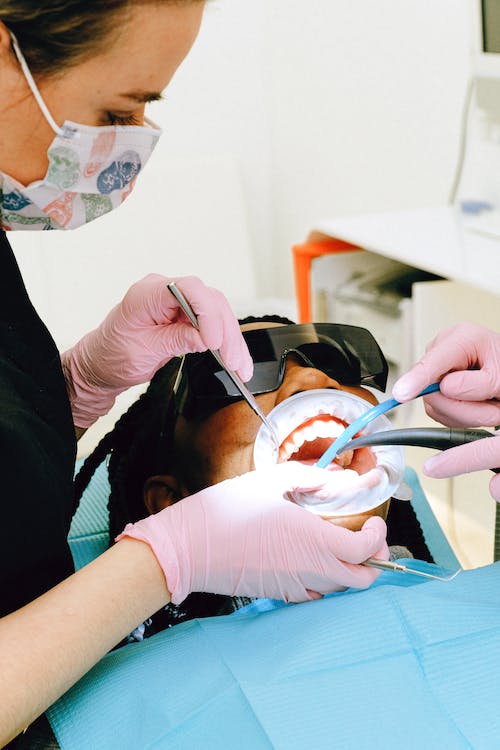
Gum disease causes inflammation, and as the gums recede, periodontal disease is linked to more than just bad breath. It can increase the risk of heart disease and stroke and is also associated with lower birth weights in pregnant women. Therefore, taking good care of your oral health is essential.
Arthritis afflicts millions with joint pains. Watch out for stiff joints, an early sign of the condition. Nail pitting, small depressions in fingernails, can also indicate psoriasis, a painful disorder.
Balding in men may signal underlying heart disease and high cholesterol levels, putting them at greater risk. Conversely, men with a full head of hair and similar cholesterol levels are less likely to have heart issues. Thus, men experiencing hair loss may benefit from scheduling a doctor’s visit.
Swollen feet and legs can be indicative of congestive heart failure, which impedes blood flow, particularly to the extremities. Therefore, it’s important to closely examine your feet for signs of this condition. Given that congestive heart failure can also affect the liver and digestive system, seeking medical attention is crucial.
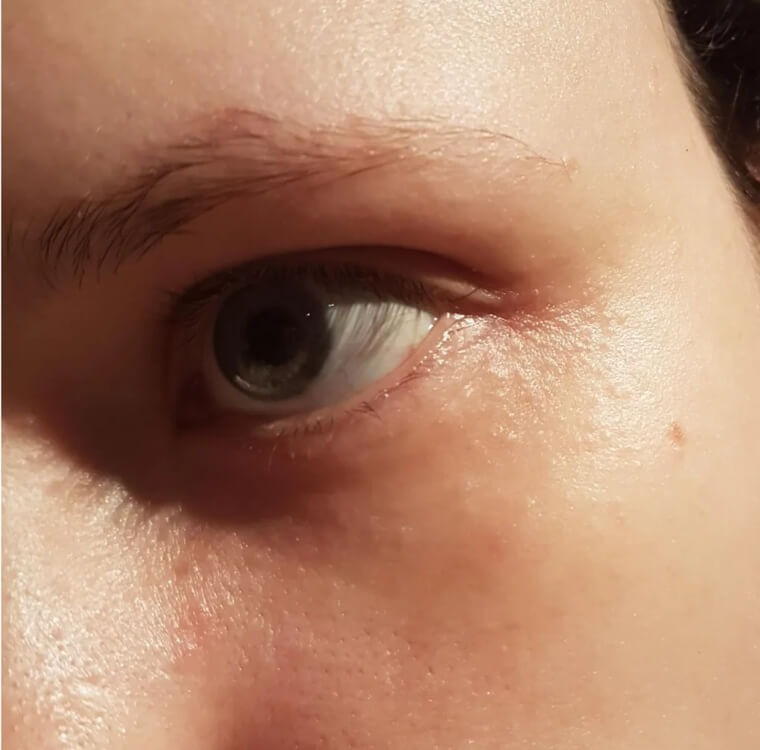
Elevated cholesterol levels may lead to the development of bumps near your eyes
Small bumps surrounding the eyes, termed “xanthelasma,” may occasionally signify elevated cholesterol levels. While not necessarily alarming, it’s prudent to undergo a medical assessment for reassurance.
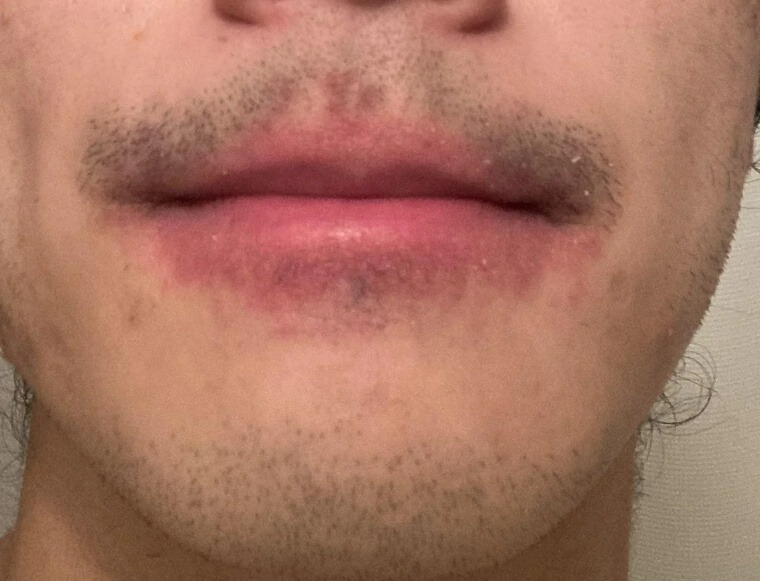
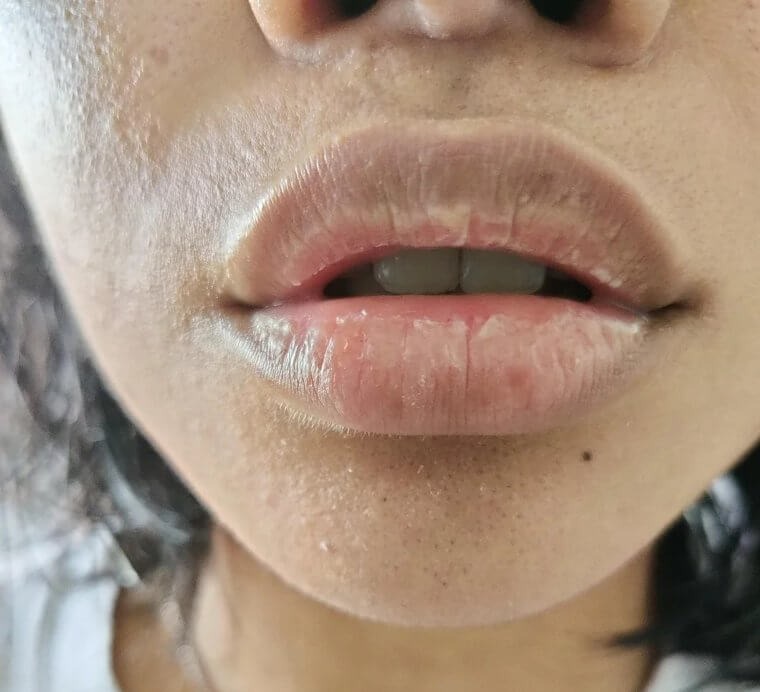
If your lips are itchy and chapped, it could be due to allergies
Itchy lips, though less common than chapped ones, can indicate an allergy, possibly triggered by environmental factors or product ingredients such as cosmetics or moisturizers.
If you experience lip itching, discontinue use of any new products; if the itching subsides, it may suggest that the product was the culprit.
Sore hands can be a symptom of autoimmune disorders
Hand soreness is often normal, especially in colder weather, but it can occasionally indicate dermatomyositis, a chronic and rare condition. In rare instances, sore hands could also signal a more serious illness such as cancer.
If you’re experiencing hand inflammation or soreness, seeking medical advice is advisable to err on the side of caution.
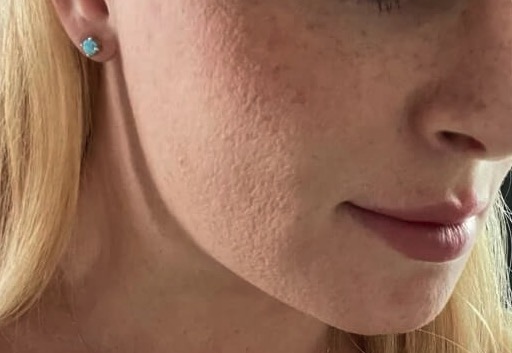
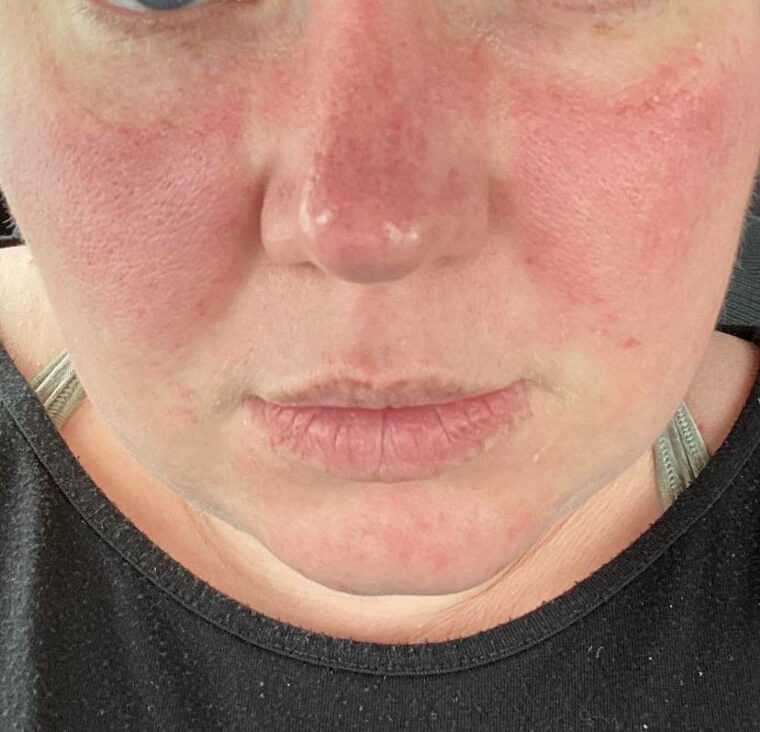
Unexplained redness on your face, particularly in a butterfly shape covering the nose and cheeks, may indicate a rash and, in rare instances, could be a sign of lupus.
While rashes are typically not alarming, it’s crucial to promptly diagnose any potential lupus symptoms, as it can develop into a serious condition.
Sudden changes in lip color can result from various factors, including liver issues such as liver disease, which may lead to jaundice and yellowing of the skin and eyes.
If you observe such changes, it’s advisable to consult a doctor for further evaluation to ensure your well-being.
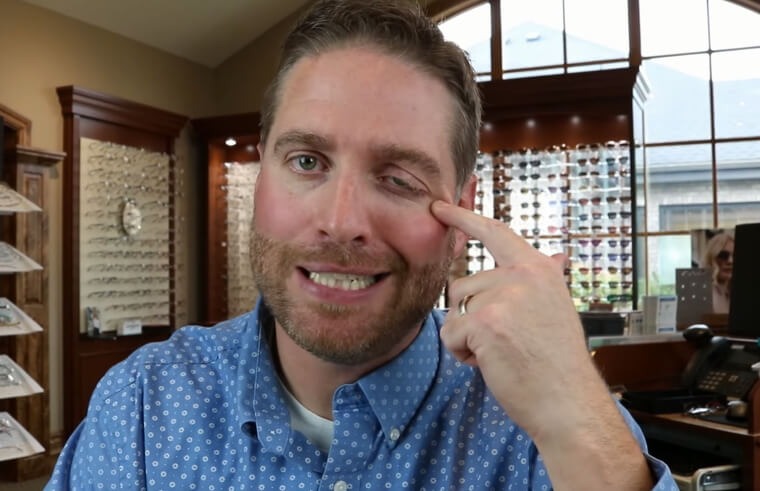
Stress is commonly associated with bothersome and persistent eye twitching. While typically not a major cause for concern, it’s crucial to effectively manage stress, particularly if the twitching becomes recurrent, as chronic stress can pose more significant health risks.
Severely chapped lips may signal a vitamin deficiency
Persistent and severe chapped lips could indicate a vitamin B12 deficiency, which can contribute to various health problems, including anemia. It’s wise to address this issue early on to prevent potential complications.
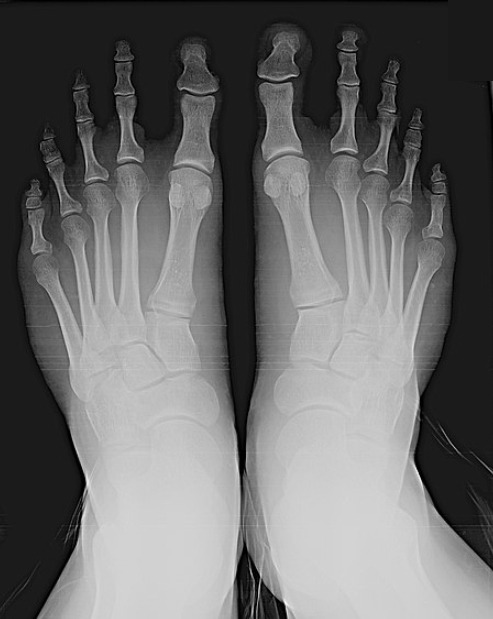
Morton’s Toe is a condition where the second toe is longer than the big toe, potentially causing issues for those who have it. This imbalance can affect weight distribution, leading to calluses under the longer toe and making walking more painful. Fortunately, wearing proper footwear or using a shoe insert can help re-balance the foot and alleviate discomfort.
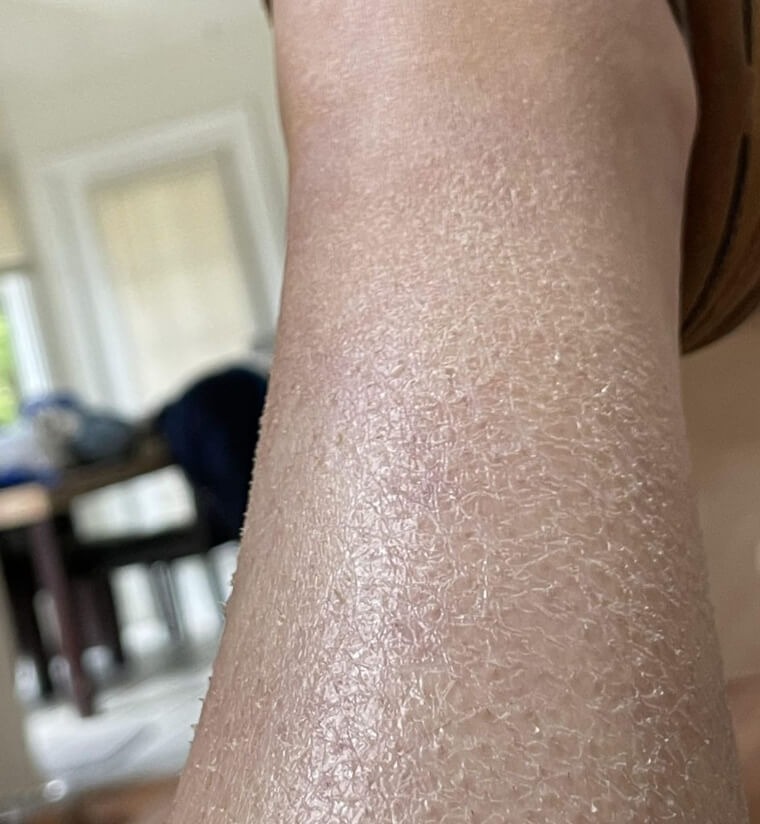
Persistent dry skin that doesn’t improve with moisturizer application could indicate dehydration. Adequate hydration is crucial for maintaining healthy skin. If the problem persists despite hydration efforts, it may be wise to consult a doctor, as it could be linked to underlying health issues.
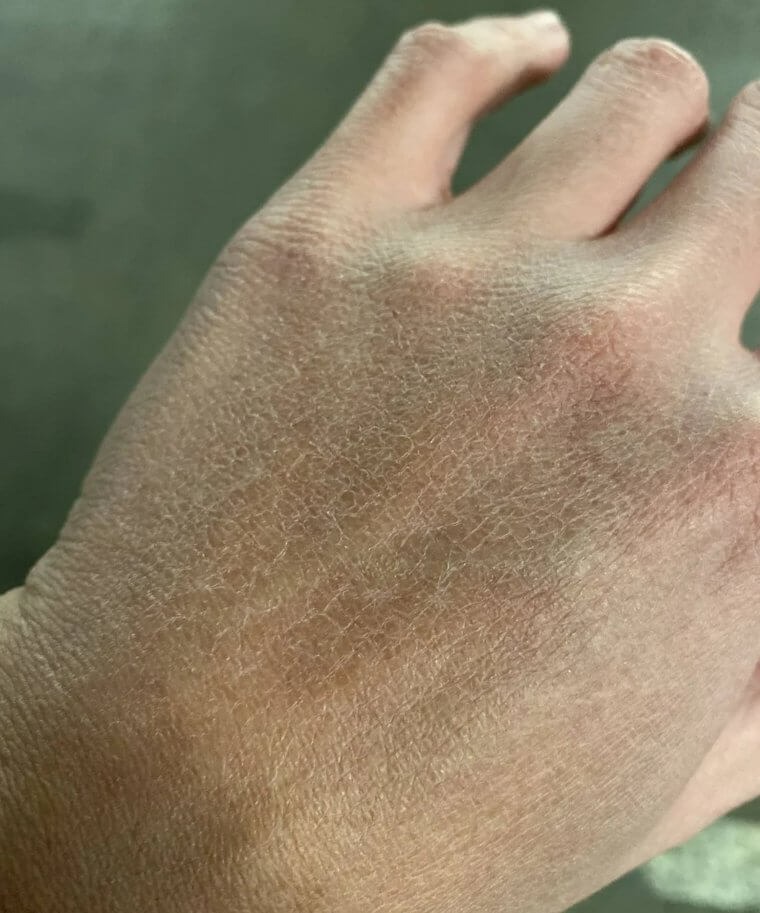
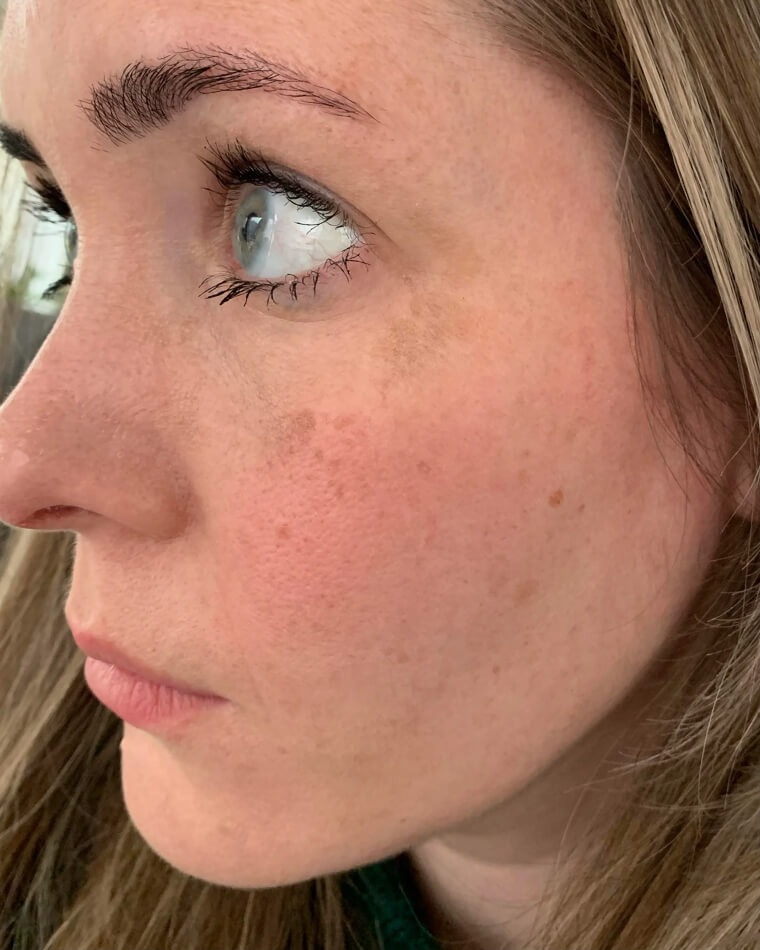
Addison’s disease may lead to dark patches on the skin
Dark skin patches are typically harmless and often result from sun exposure. However, in rare instances, they can be associated with Addison’s disease, an autoimmune condition impacting the adrenal glands and cortisol production.
While Addison’s disease is manageable, it may manifest symptoms such as back pain, vomiting, and low blood pressure during intermittent episodes. If you suspect you may have Addison’s disease, it’s essential to consult a healthcare professional for proper diagnosis and management.
Small white lip bumps can be concerning due to their noticeable and unexpected appearance. While they may be harmless, they could indicate a viral infection or, in rare cases, a fungal infection.
If these bumps persist, it’s advisable to consult a doctor to rule out any underlying issues and receive appropriate treatment if necessary.
Changes in moles, whether existing or new, can sometimes indicate skin cancer. Regular visits to a dermatologist and being vigilant about noticing any changes are crucial for early detection.
Although daily mole checks aren’t necessary, it’s important to stay vigilant and promptly report any changes to your healthcare provider.
Additionally, some experts suggest that individuals with numerous smaller moles may have a higher risk of developing melanoma, a more severe form of skin cancer.
Breakouts in this area may result from unhealthy lifestyle habits
Breakouts can sometimes stem from poor lifestyle choices like diet or smoking. Making changes in these habits can assist in clearing breakouts. However, other factors such as stress and medications can also play a role, so consulting a doctor is advisable if you suspect an underlying issue.
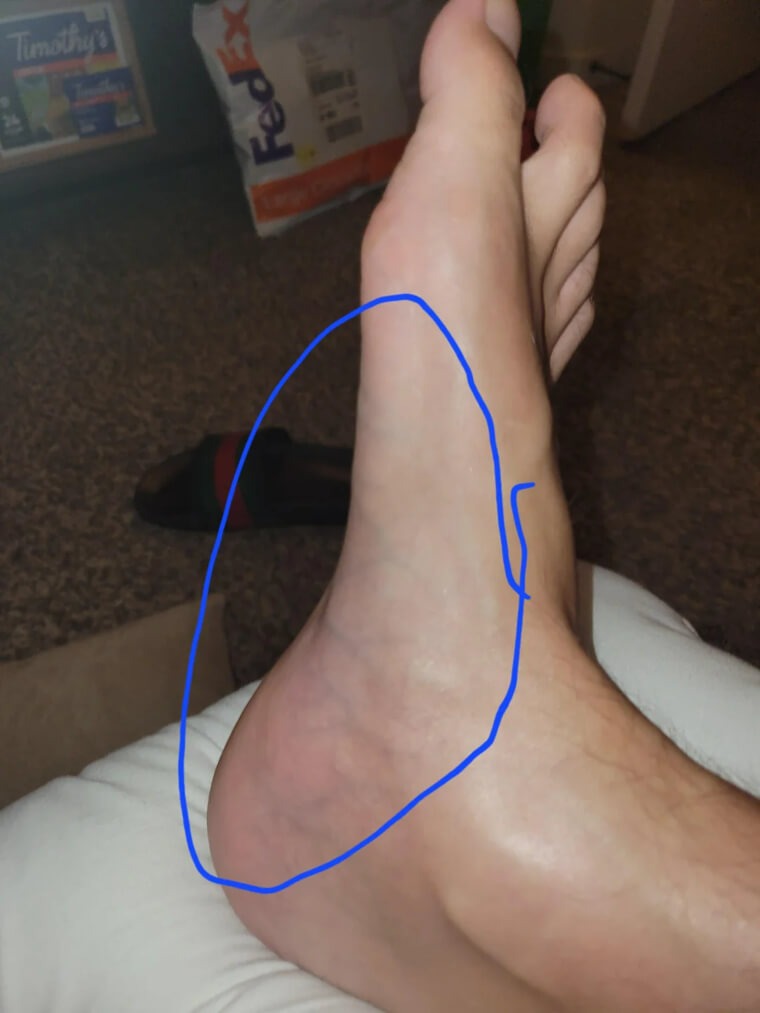
Purple veins, particularly when swollen and pronounced, can sometimes be indicative of diabetes. These signs are often observed on the legs, feet, or hands. It’s crucial to promptly consult a doctor for early diagnosis and treatment if you notice such symptoms.
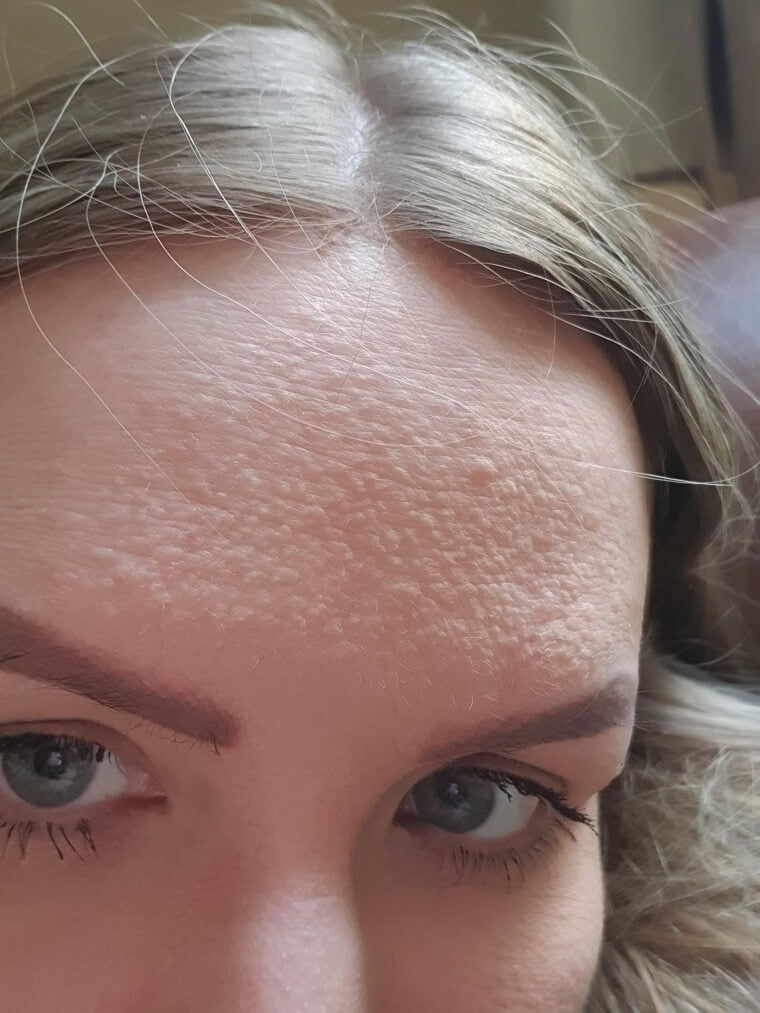
Waxy lumps on the body are conspicuous and can arise from various conditions, including the rare occurrence of protein deposits on organs. While they may sometimes be harmless, it’s advisable to consult a doctor if you notice such lumps for a thorough evaluation.
Pale lips can stem from various causes, some of which may be serious. Anemia, characterized by insufficient red blood cell production, is one potential cause.
Low blood sugar levels can also result in pale lips, often signaling an underlying issue.
Moreover, vitamin deficiencies could contribute to this condition. However, it’s crucial to seek advice from a specialist for proper evaluation if you suspect a deficiency.
Yellow or brown spots may be caused by necrobiosis lipoidica
Yellow or brown spots resembling bruises may be indicative of a condition called necrobiosis lipoidica, which results in patches of rough or hardened skin. Though rare, this condition can be effectively treated with proper care.
If you notice such patches that don’t resemble bruises or have concerns, it’s advisable to consult a doctor for evaluation and appropriate management.
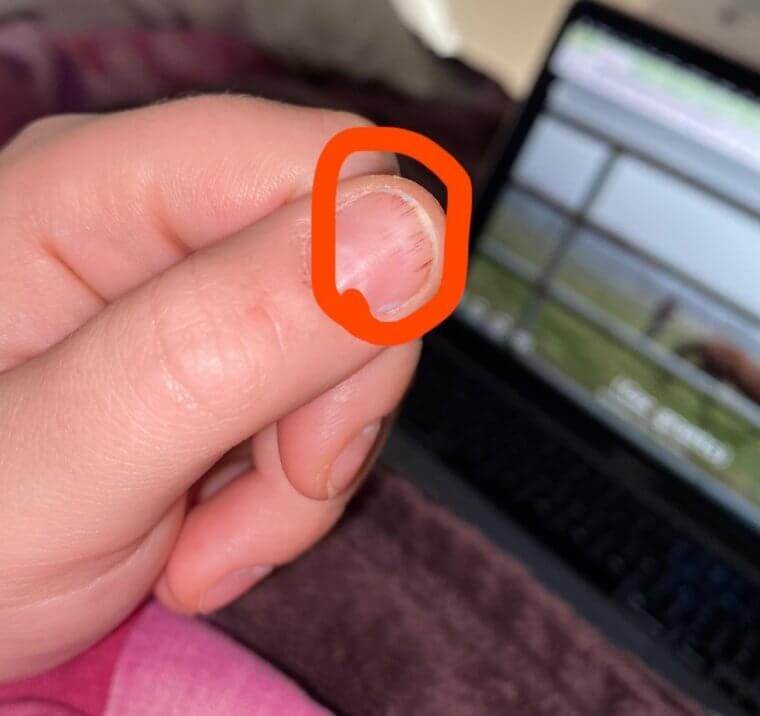
Red or purple lines, known as splinter hemorrhages, may occasionally appear under the nails in individuals with heart disease. If you observe these lines, it’s crucial to promptly seek medical attention for diagnosis and treatment. Early intervention plays a vital role in effectively managing heart disease.
30 things your body’s trying to tell you that you should never ignore
Eduardo Gaskell
06.10.24
The human body is incredibly interconnected, yet many of us overlook or take this for granted. Often, our bodies signal problems that we fail to recognize until it’s too late. While doctors are essential, doing your own research can sometimes save you significant money by preventing a hospital visit.
Your body consistently provides clues about your health. Continue reading and be vigilant for any of these symptoms. Regular health checks are a wise practice.
Don’t ignore a bright red tongue
This is one time you have permission to stick your tongue out. If it appears more vibrant than usual, specifically a beefy-red color, it could indicate iron or B12 vitamin deficiencies. A change in color is a reason for concern.