


On average, human hair grows at a rate of approximately 0.35 mm per day. This means that if you opt for a short haircut and later regret it, it might take months for your hair to return to its original length.
While this waiting period can feel quite lengthy, it’s important to note that the appearance of your hair after a salon visit isn’t solely the responsibility of the hairdresser.
Your hair’s condition and how you maintain it, as well as your clothing choices and behavior, all play significant roles in the final results.
Choosing a haircut that doesn’t work for you
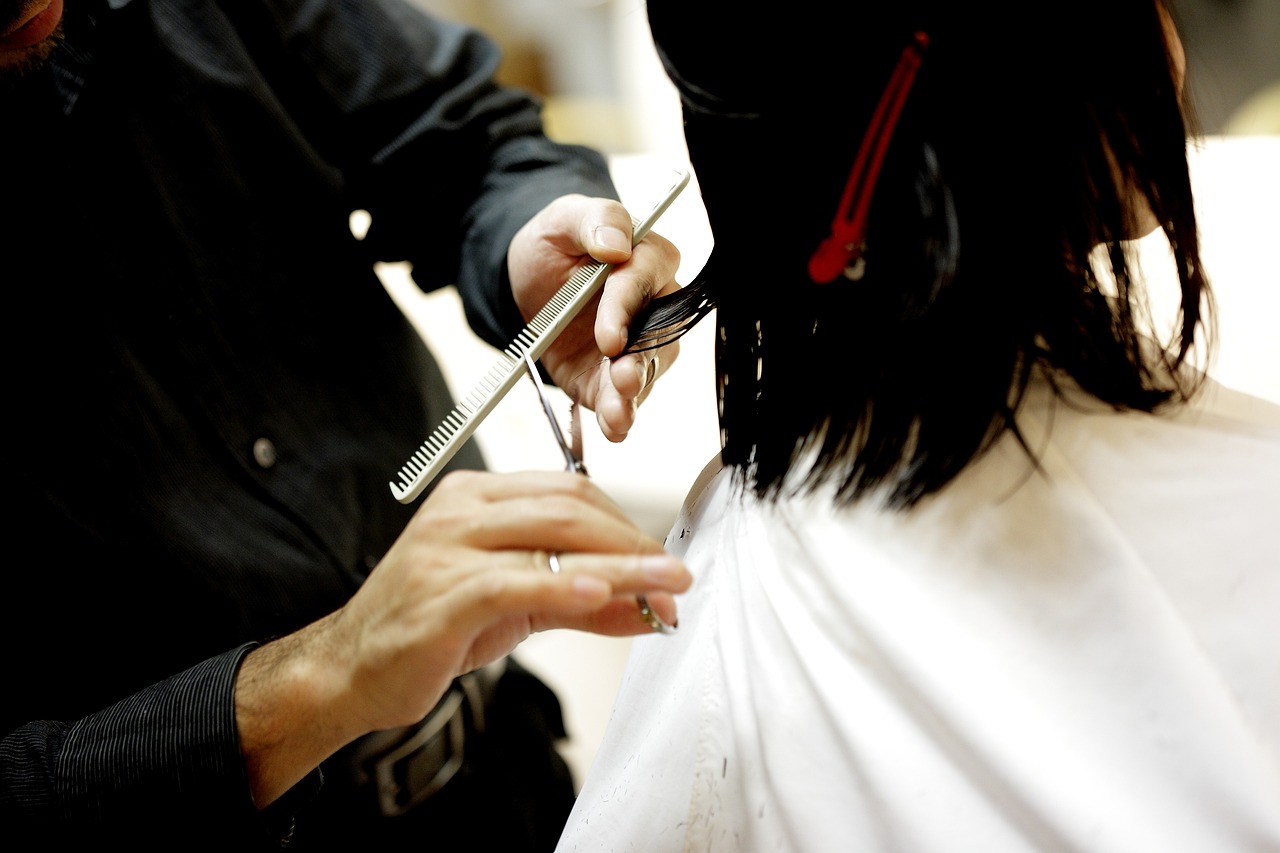
Different hair types require different styling approaches for the best results. Thick hair often looks great with an even cut, while thin hair benefits from layering.
Instead of insisting on replicating a haircut you’ve seen on a famous model or actress, it’s advisable to heed the expert advice of a hairstylist who is well-versed in considering all the factors, including your hair type, for the most suitable and flattering style.
The wrong outfit
Stylists often advise clients to wear their regular, everyday clothing when getting a haircut. It’s best to opt for comfortable attire rather than donning an outfit you only wear occasionally.
Avoid wearing turtlenecks or shawls during the haircut, as these items can interfere with the hair-cutting process and potentially cause discomfort or itching afterward.

Don’t get emotional
Many people turn to the hair salon for solace when they experience romantic tragedies, hoping that a significant change in their appearance will help them move on from the past and regain their self-confidence.
However, it’s important to remember that your appearance should not be solely determined by your emotional state.
Making dramatic changes to your looks should be a personal choice and not solely a reaction to emotional ups and downs.
Constantly fidgeting in your seat
A stylist’s job can become challenging if the client is fidgety or distracted during a haircut. Crossing your legs while seated in the chair can result in an uneven cut.
To ensure a precise and satisfactory haircut, it’s important to avoid moving your head or neck while the barber or stylist is working on your hair.
This helps them achieve the best possible outcome.
Applying gel before your visit
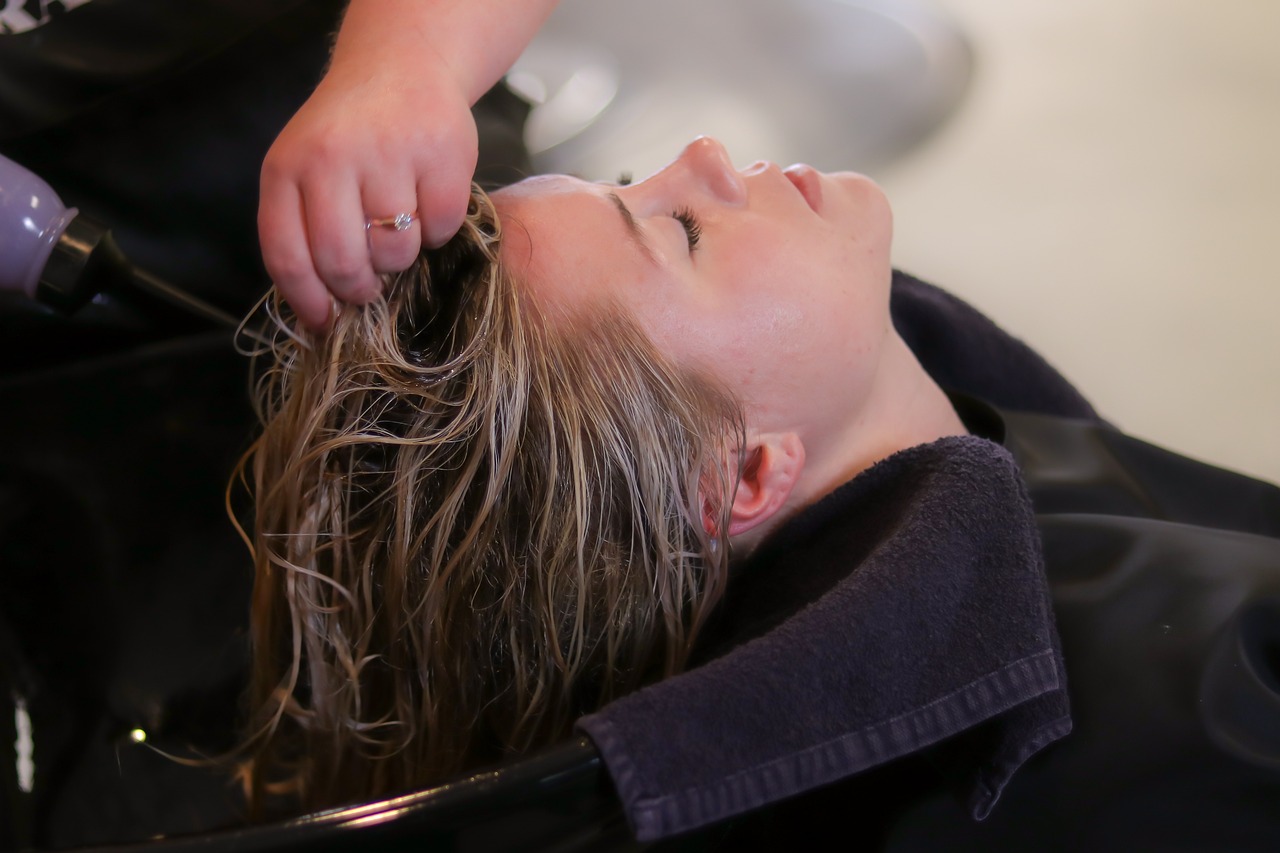
A hairstylist may find it challenging to offer a well-informed recommendation when a customer arrives with unwashed hair that hasn’t been cleaned for several days.
The accumulated grease can alter the hair’s texture, and the stylist may have difficulty predicting how it will respond after being washed.
It’s worth noting that achieving a similar result to using gel is possible with various styling products, so discussing options with your stylist can lead to a more tailored and satisfying outcome.
Not estimating your hair length
Many stylists prioritize the health of the hair over its length and are willing to remove any unhealthy strands upon the client’s request.
However, it’s crucial for clients to clearly communicate their preferences, as those who do not specify their desire to retain their hair’s length may receive a different outcome than expected.
Vague or unclear explanations from clients regarding their desired hair length can sometimes lead to misunderstandings or issues during the styling process.
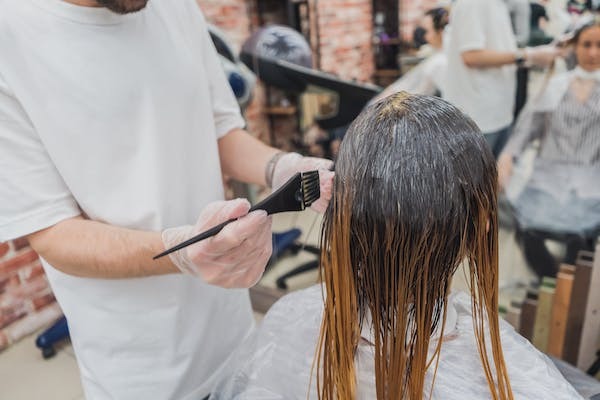
Neglecting colored hair
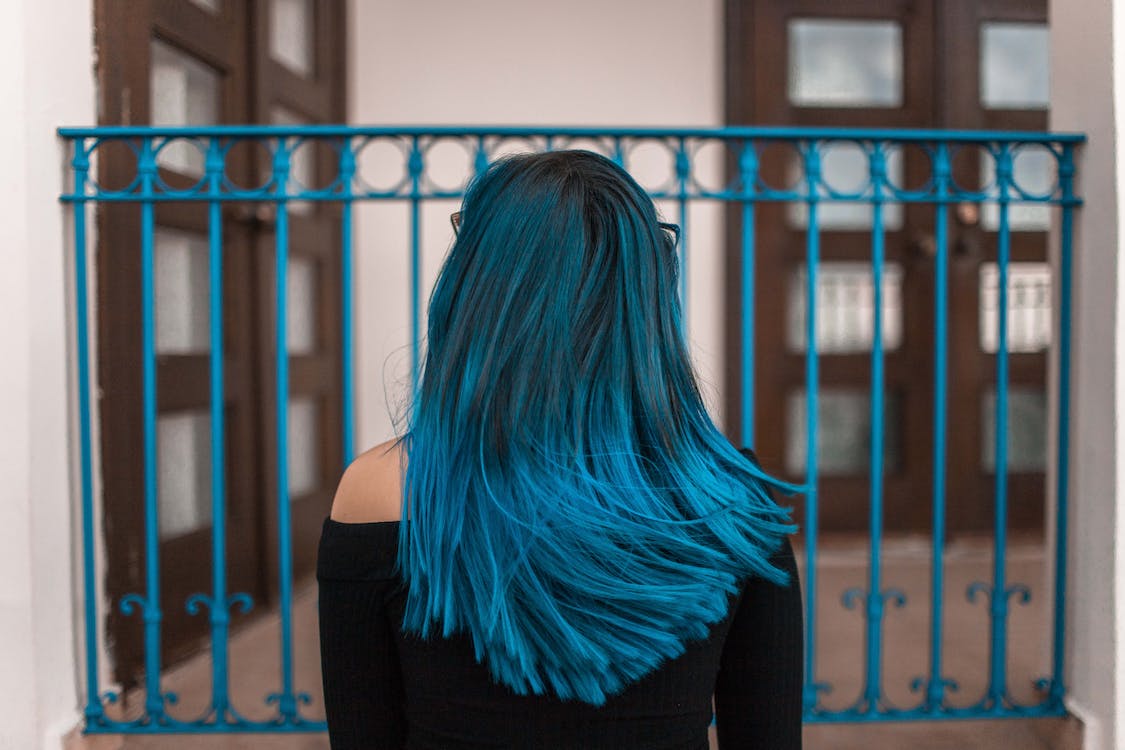
Hair requires special care after undergoing a color change. It’s essential to use shampoos that are alcohol- and sulfate-free, at the very least, to maintain the color’s longevity.
Unfortunately, some individuals mistakenly believe that regular shampoo is sufficient, only to later regret that their expensive color treatment faded too quickly.
To ensure the vibrancy and longevity of your hair color, it’s advisable to consult your stylist for recommendations on products that will nourish your hair and help preserve the color.
Arguing with the stylist
Professional hair stylists undergo extensive training to learn about different hair textures, dyes, and styles. Therefore, it’s generally unnecessary to instruct them on the technical aspects of cutting or coloring your hair.
However, if you notice any issues or errors during the process, it’s essential to communicate openly with your stylist. Don’t hesitate to bring any concerns to their attention, and do your best to explain what you need or what adjustments you’d like to see.
A skilled stylist or barber will understand your requirements and work with you to achieve the desired results. Effective communication is key to a successful salon experience.
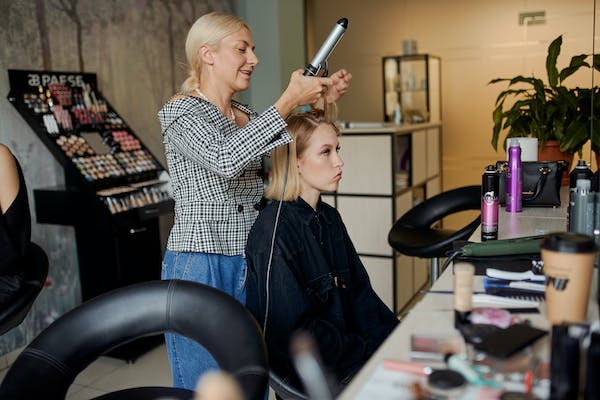
Being dishonest with your stylist
It’s important not to feel embarrassed or hide the use of drugstore hair colors or other hair products from your stylist. Honesty is crucial in this regard.
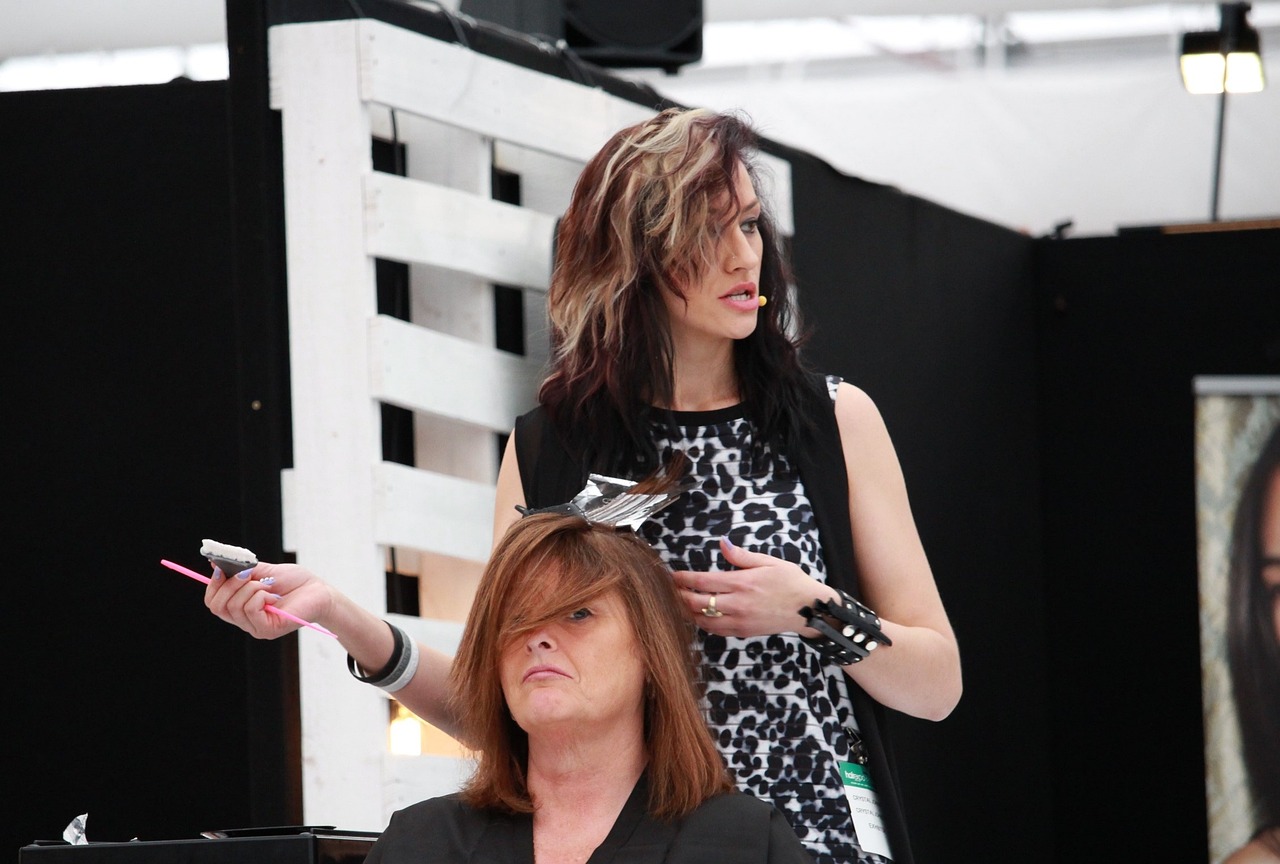
Your stylist will eventually notice if you’ve used box dyes, including henna, or other hair products, especially when it affects the outcome of their work, such as when your “virgin” hair doesn’t react as expected with foils.
Concealing this information can make it more challenging and costly to rectify any issues in the future, so open communication with your stylist is essential for the best results.
Please SHARE this with your friends and family.


