


In matters of your well-being, exercising an abundance of caution is always wise. Occasionally, minor issues like skin rashes, sores, or irritations may serve as potential indicators of more significant underlying health issues.
While it’s crucial to seek professional medical advice if you have any concerns, gaining knowledge about specific conditions and the warning signs they might present can be beneficial.
That’s why we’ve compiled instances of these typical symptoms and the serious health conditions they may sometimes signal.
Elevated cholesterol levels can lead to the development of bumps near your eyes
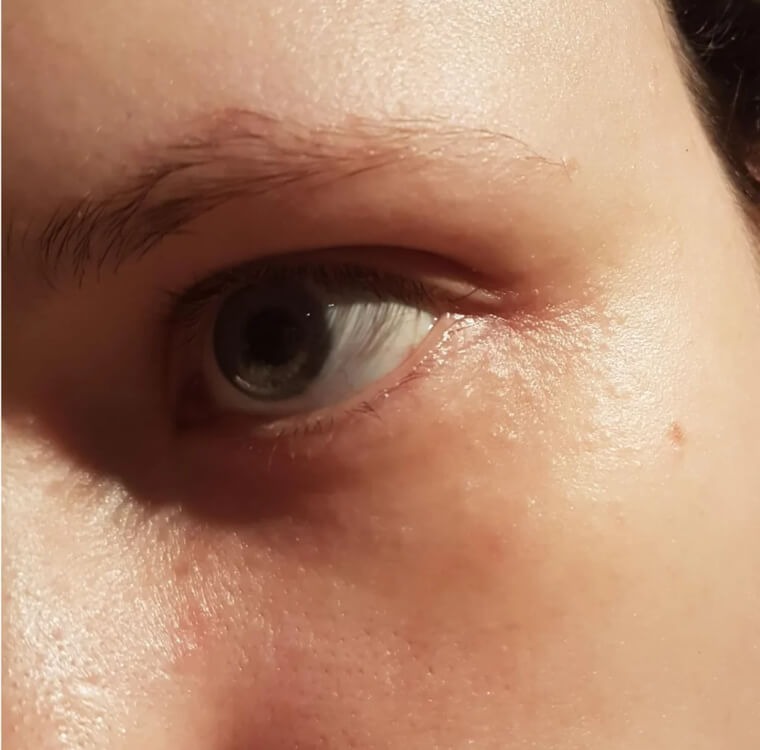
Small bumps around your eyes, known as “xanthelasma,” can sometimes indicate high cholesterol levels. While not always a cause for concern, it’s advisable to get a medical evaluation to be safe.
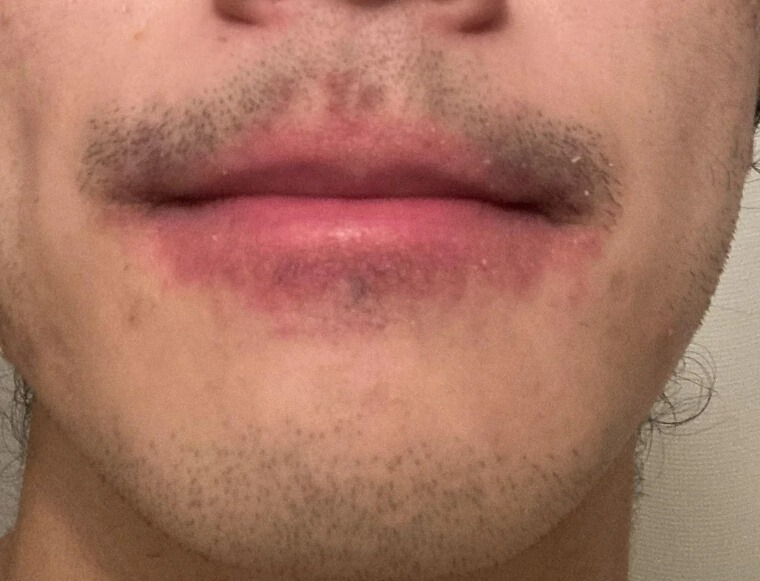
If your lips are itchy and chapped, it might be due to allergies
Itchy lips are less common than chapped ones and can signal an allergy, possibly due to environmental factors or product ingredients like cosmetics or moisturizers.
If your lips itch, stop using new products; if the itching stops, that may indicate the product was the cause.
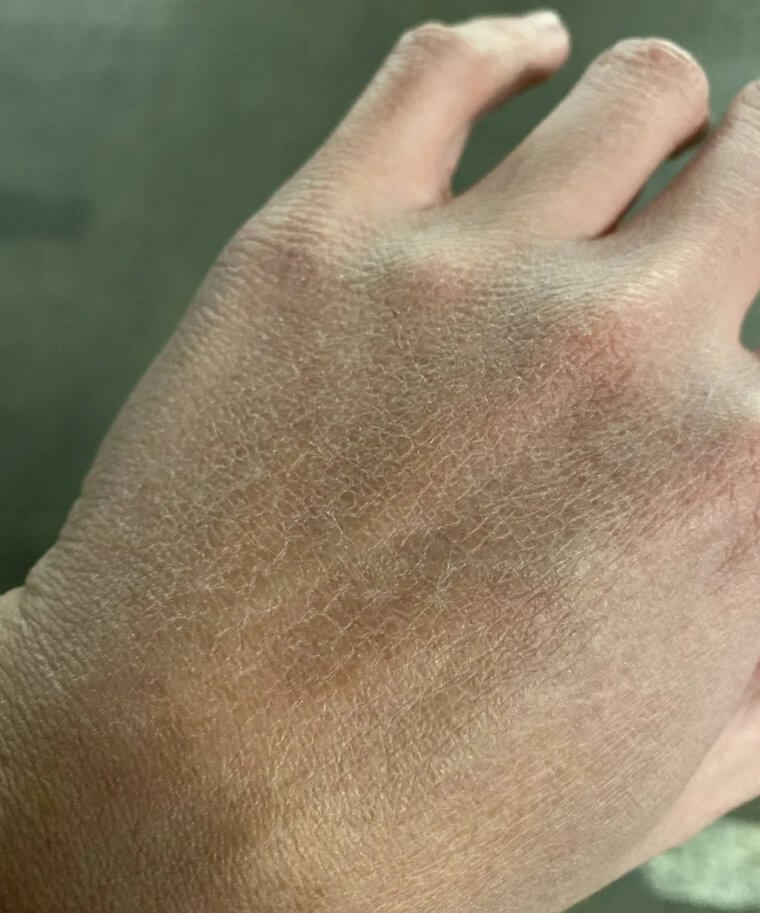
Sore hands can occasionally be a symptom of autoimmune disorders
Sore hands are typically normal, especially in colder weather. However, they can sometimes be a symptom of dermatomyositis, a chronic and rare condition. In rare cases, sore hands can also be a sign of a more serious illness like cancer.
If you experience hand inflammation or soreness, it’s a good idea to seek medical advice, just to be cautious.
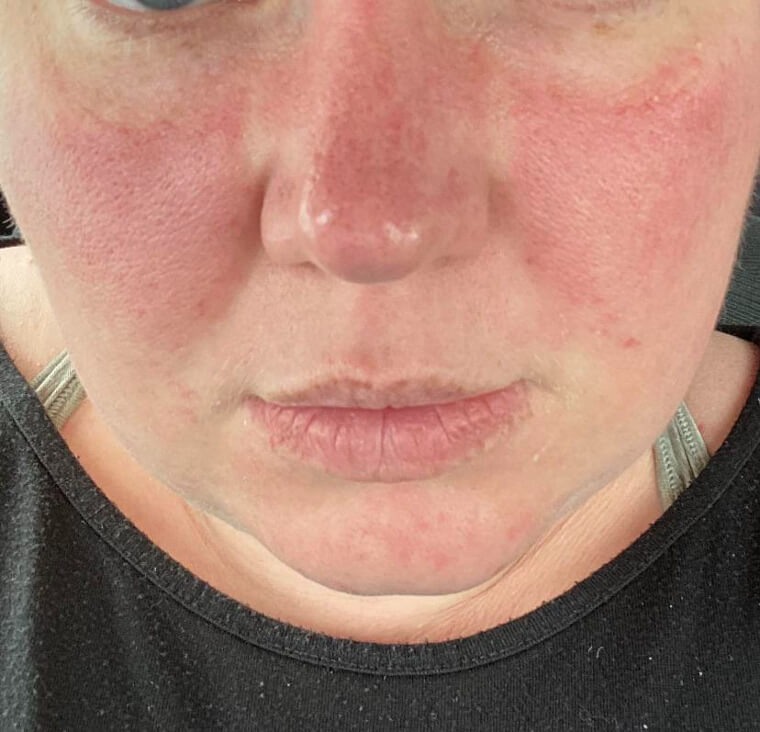
Lupus can lead to facial rashes
Unexplained redness on your face, especially in a butterfly shape covering the nose and cheeks, could be a rash and, in rare cases, a sign of lupus.
While rashes are usually not a major concern, it’s important to get any potential lupus symptoms diagnosed early, as it can become a serious condition.
Liver issues can lead to changes in lip color
Sudden lip color changes can be due to various factors, including liver issues like liver disease, which can cause jaundice, leading to yellowing of the skin and eyes.
If you notice such changes, consult a doctor to be safe.

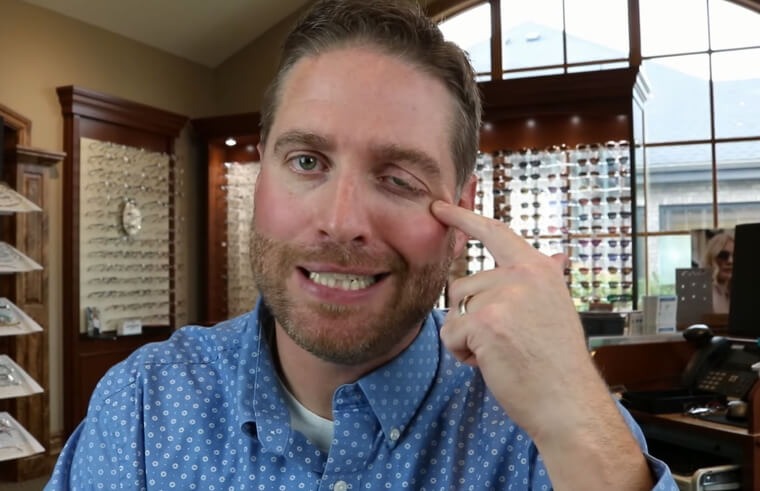
Stress can trigger eye twitching
Stress is often linked to annoying and persistent eye twitching. While usually not a cause for major concern, it’s essential to manage stress, especially if the twitching recurs, as chronic stress can pose more significant health risks.
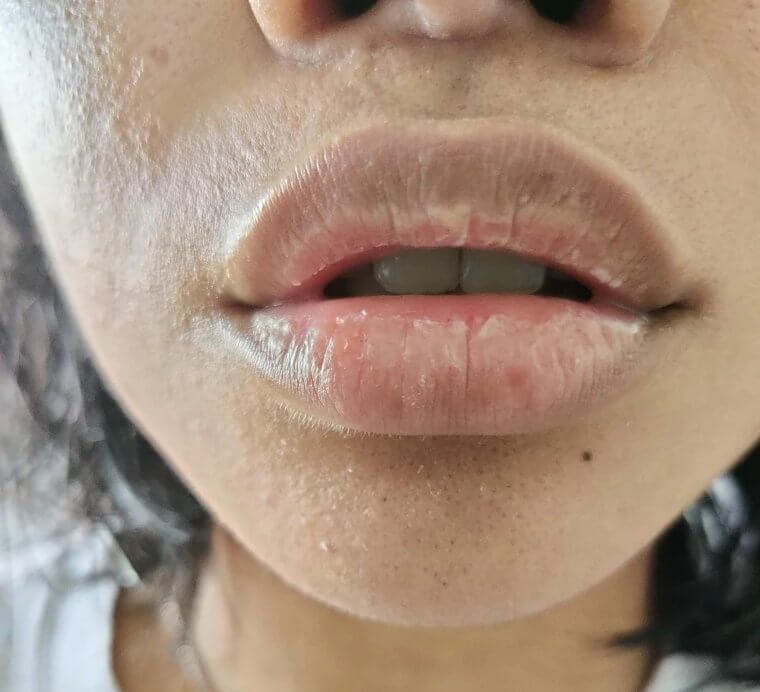
Severely chapped lips may signal a vitamin deficiency
Persistent, severe chapped lips could signal a vitamin B12 deficiency, which may lead to various health issues, including anemia. Early attention to this issue is advisable.
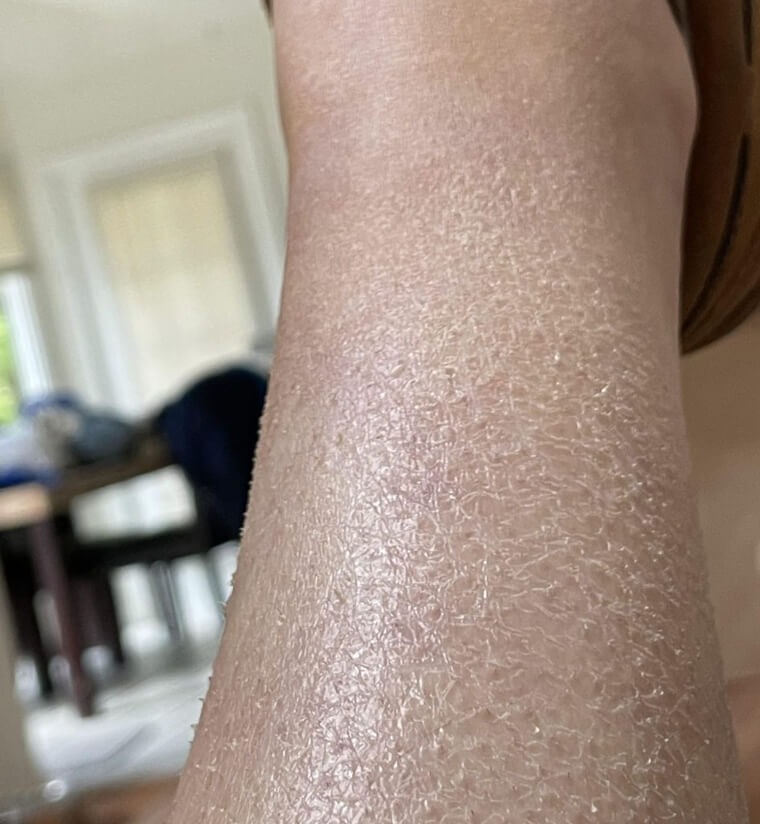
Rough or hardened skin can indicate scleroderma
Scleroderma, though rare, is a serious condition characterized by chronic patches of hardened skin. It’s important to seek medical attention if you suspect you have it, as early diagnosis allows for better treatment and symptom management.

Persistent dry skin may indicate dehydration
Chronic dry skin that doesn’t respond to moisturizer could suggest dehydration. Staying well-hydrated is essential for healthy skin. If the issue persists, consider consulting a doctor, as it could be related to underlying health issues.
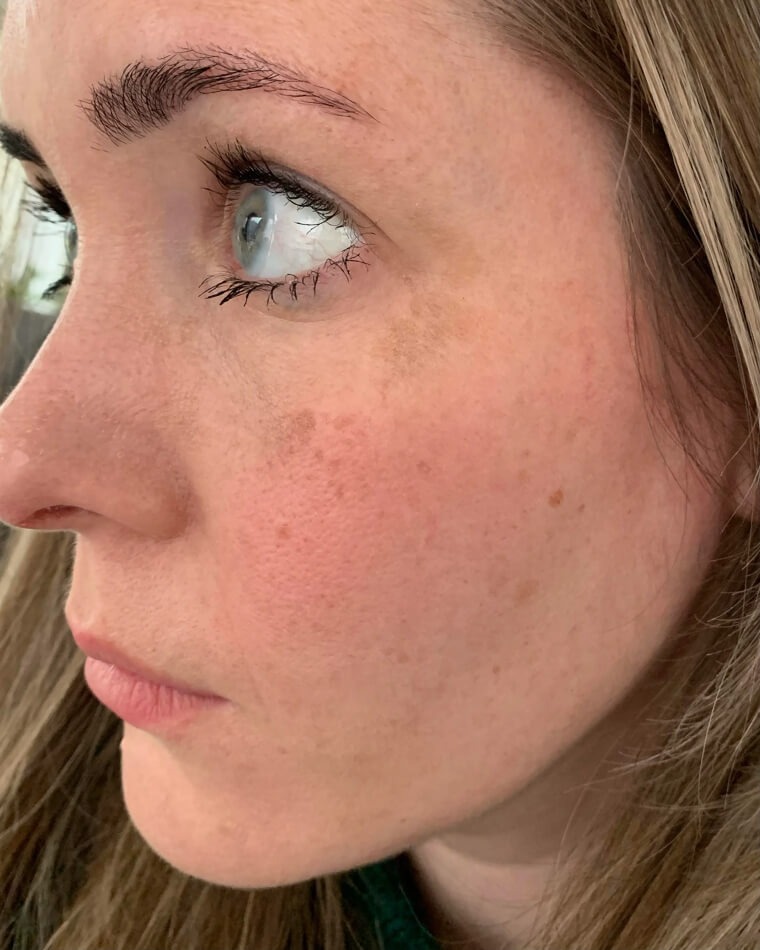
Addison’s disease can lead to the development of dark patches on the skin
Dark skin patches are usually harmless, often due to sun exposure. However, in rare cases, they can be linked to Addison’s disease, an autoimmune condition affecting the adrenal glands and cortisol production.
Addison’s disease is manageable, with symptoms like back pain, vomiting, and low blood pressure occurring during intermittent episodes.
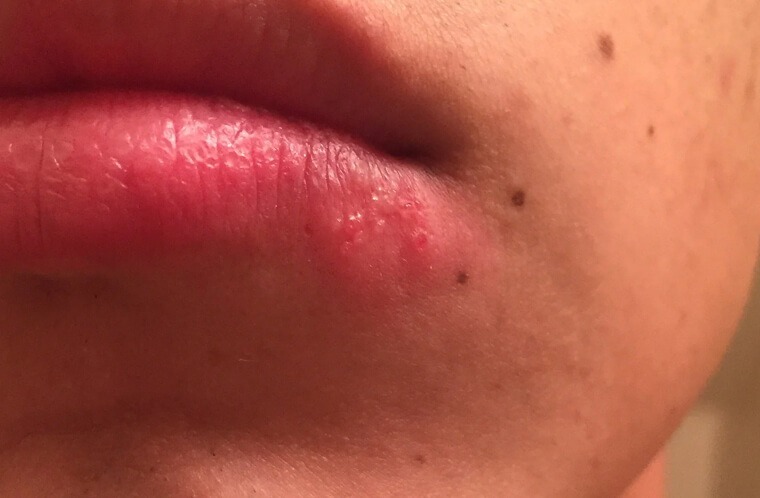
Small bumps on the lips can occasionally signify an infection
Small white lip bumps can be concerning because they are noticeable and can appear unexpectedly. While they can sometimes be harmless, they may indicate a viral or, rarely, a fungal infection.
If they persist, it’s a good idea to consult a doctor to rule out any underlying issues.
Changes in moles can be a sign of skin cancer
Changes in moles, whether existing or new, can sometimes signal skin cancer. Regular dermatologist visits and noticing any changes are crucial for early detection.
While daily mole checks aren’t necessary, it’s important to stay vigilant.
Some experts suggest that people with many smaller moles may have a higher risk of developing melanoma, a more serious form of skin cancer.

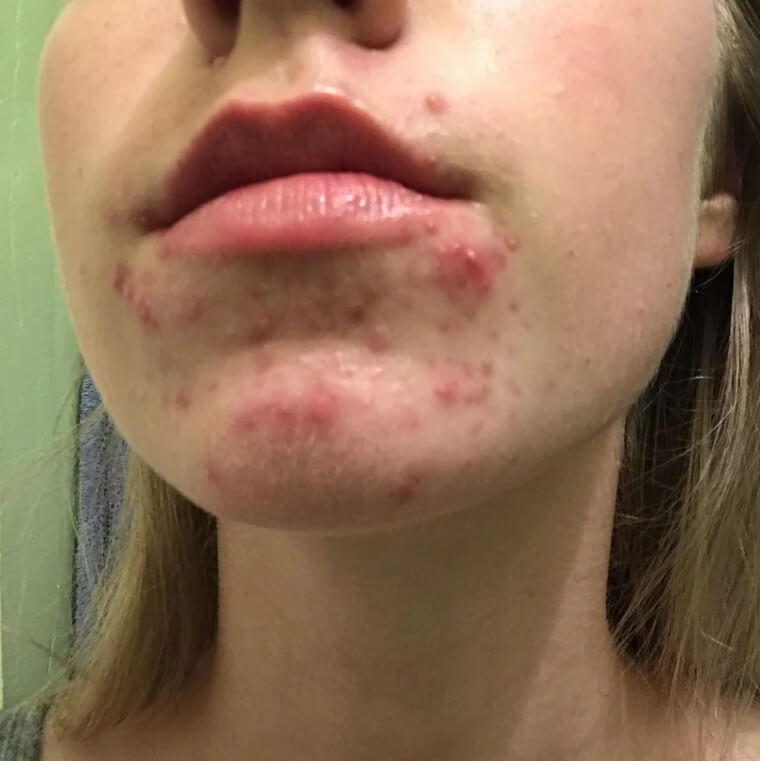
Breakouts in this area may result from unhealthy lifestyle habits
Breakouts can sometimes be related to poor lifestyle choices like diet or smoking. Changing these habits can help clear breakouts. However, other factors, such as stress and medications, can also contribute, so consulting a doctor is advisable if you suspect an underlying issue.
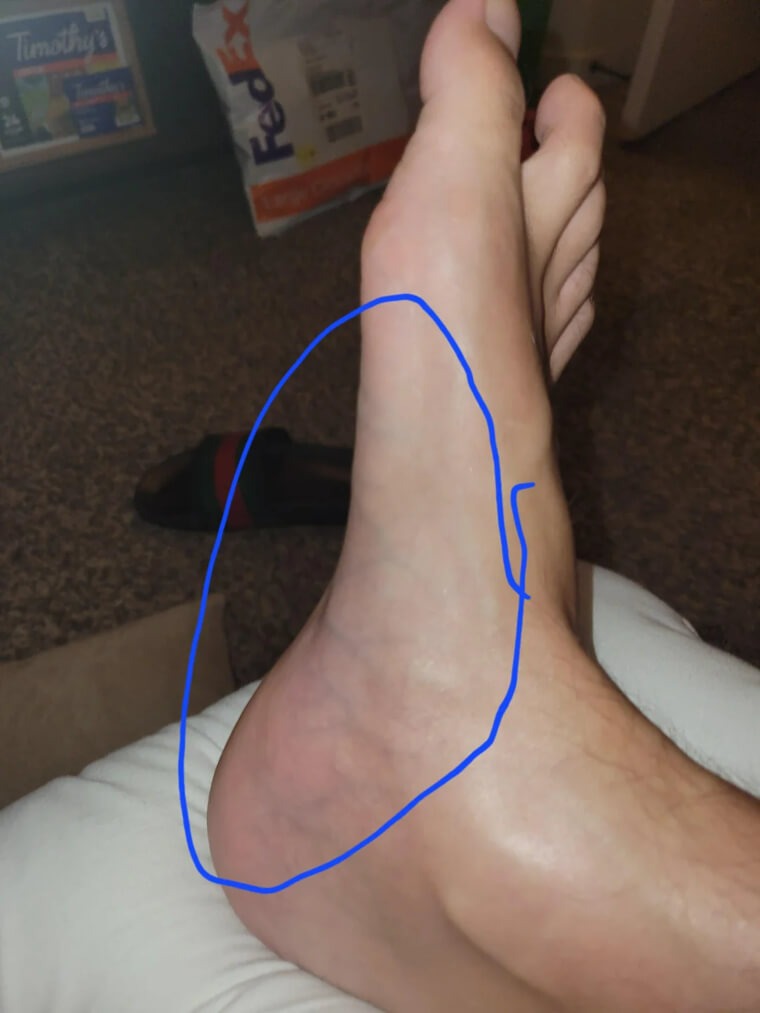
Large, swollen veins can indicate diabetes
Purple veins, especially when swollen and pronounced, can sometimes indicate diabetes. These signs are commonly seen on the legs, feet, or hands. It’s essential to consult a doctor promptly for early diagnosis and treatment if you notice such symptoms.
Smooth, waxy lumps could be indicative of organ problems
Waxy lumps on the body are hard to miss and can result from various conditions, including the rare occurrence of protein deposits on organs. While sometimes harmless, it’s wise to consult a doctor if you notice such lumps for a thorough evaluation.

Pale lips can be a sign of anemia
Pale lips can have various causes, including serious conditions. Anemia, resulting from inadequate red blood cell production, is one possible cause.
Low blood sugar can also lead to pale lips, often indicating an underlying problem.
Additionally, vitamin deficiencies can contribute to this condition, but it’s essential to consult a specialist for proper evaluation if you suspect a deficiency.

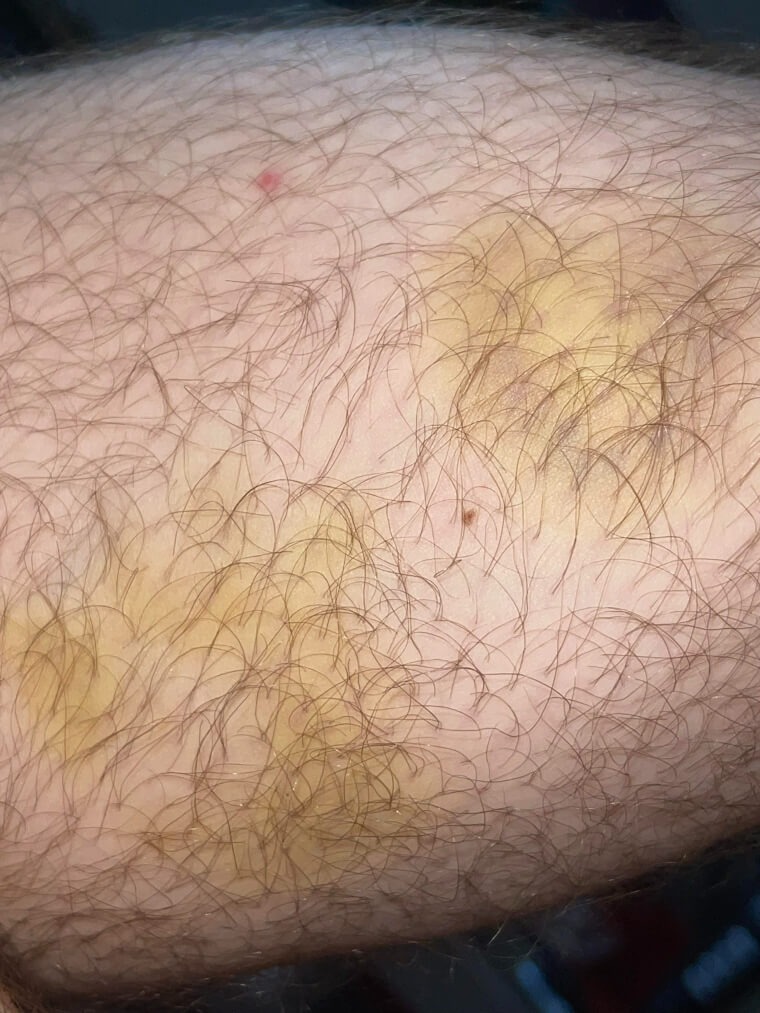
Yellow or brown spots can be caused by necrobiosis lipoidica
Yellow or brown spots, which may resemble bruises, can be caused by a condition called necrobiosis lipoidica. This condition leads to patches of rough or hardened skin.
Although rare, it can be treated effectively with proper care.
If you notice such patches that don’t resemble bruises or have concerns, it’s advisable to consult a doctor for evaluation.
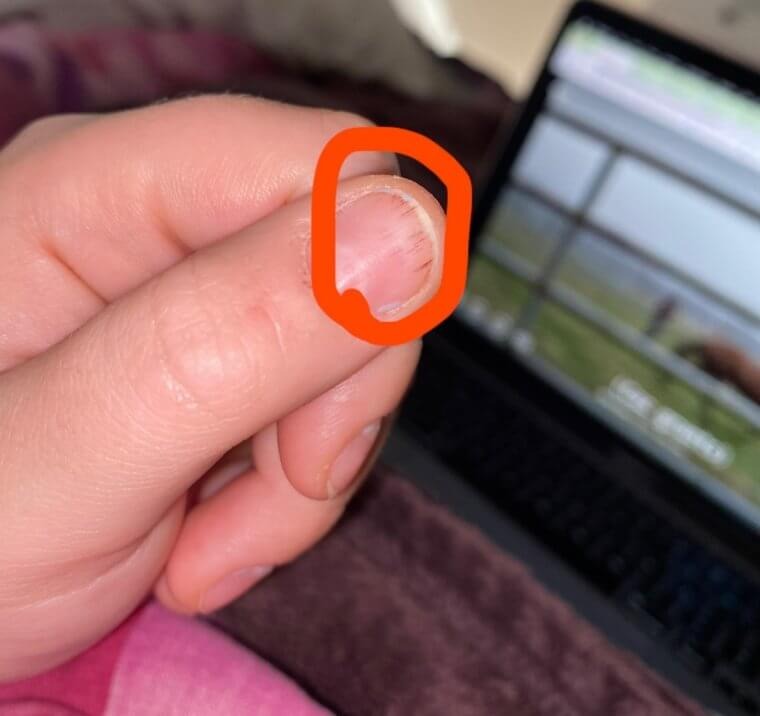
Lines under your nails can sometimes indicate heart disease
Red or purple lines, called splinter hemorrhages, can sometimes appear under the nails in individuals with heart disease. If you notice these lines, it’s important to see a doctor promptly for diagnosis and treatment, as early intervention is key in managing heart disease.
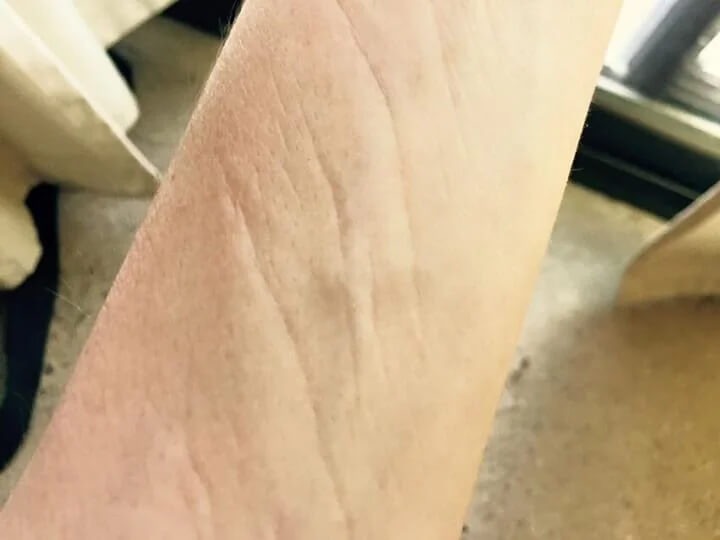
Wrinkles in unusual locations can sometimes be attributed to blood flow issues
Wrinkles are a common part of aging, but when they appear in unusual places like the arms or legs, they can sometimes be linked to blood flow issues such as high blood pressure or heart disease.
While these are more serious causes, it’s a good idea to consult a doctor for examination. However, wrinkles on the inner arms can also have less severe causes related to skin health, so don’t worry excessively if you notice them.
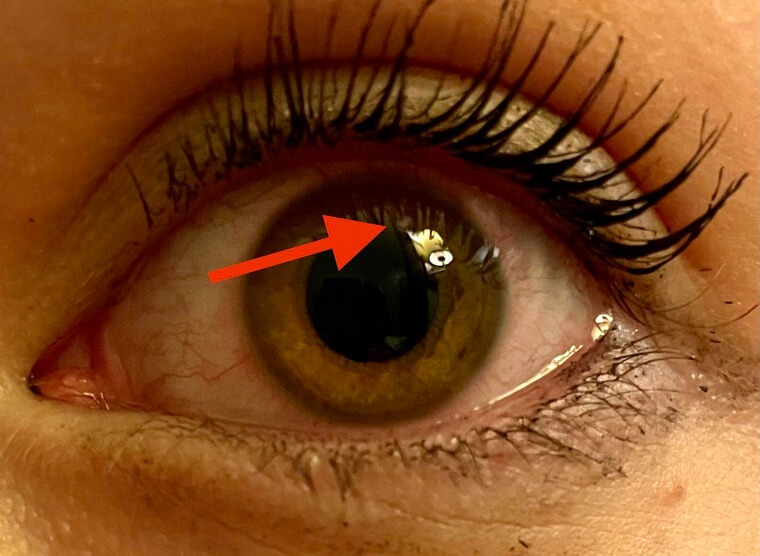
Yellow or white patches in the eye can sometimes be caused by excessive sun exposure
Shielding your eyes from the sun is essential, much like protecting your skin. Sunglasses are a great way to block harmful UV rays. Without proper eye protection, you may notice yellow or white patches near your iris.
Fortunately, these patches are usually cosmetic and not linked to serious conditions.
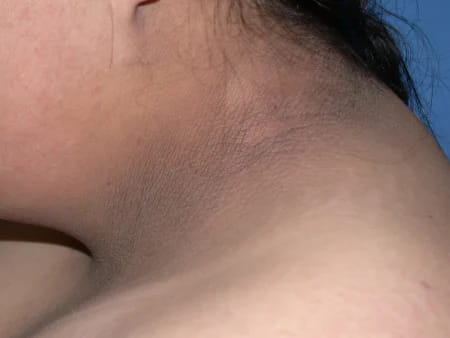
Velvety skin can sometimes indicate pre-diabetes
Velvety-smooth skin can be a sign of underlying health issues, particularly when the body produces too much insulin, potentially indicating a risk of developing diabetes.
It’s crucial to consult a doctor for evaluation in such cases.
Occasionally, similar symptoms can appear in skin creases and be dark in color, potentially suggesting organ cancer, though this is rare.
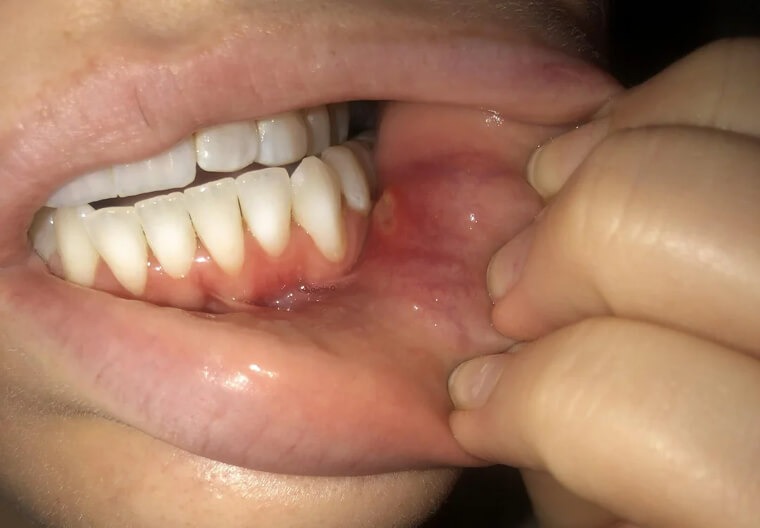
Ulcers can sometimes indicate a weakened immune system
Frequent ulcers can signal a weakened immune system or underlying long-term conditions. If they persist or reappear quickly, it’s time to consult a doctor for a proper evaluation.
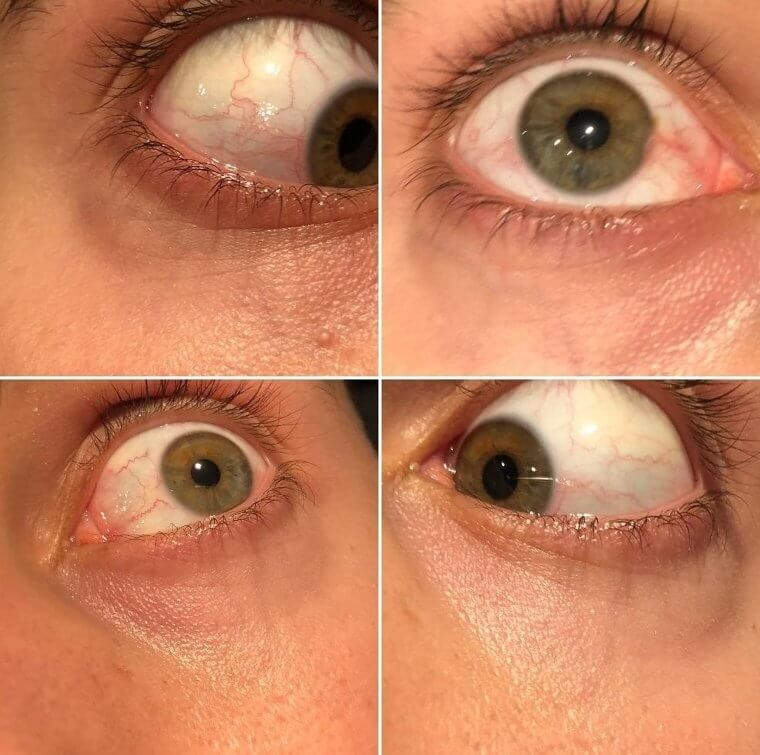
High blood pressure can sometimes lead to damaged eyes
High blood pressure can damage the blood vessels in your eyes, which may not be noticeable without an eye doctor’s examination. If detected during a routine visit, further tests may be recommended.
Treating high blood pressure promptly is essential to prevent serious health risks like heart disease and stroke.
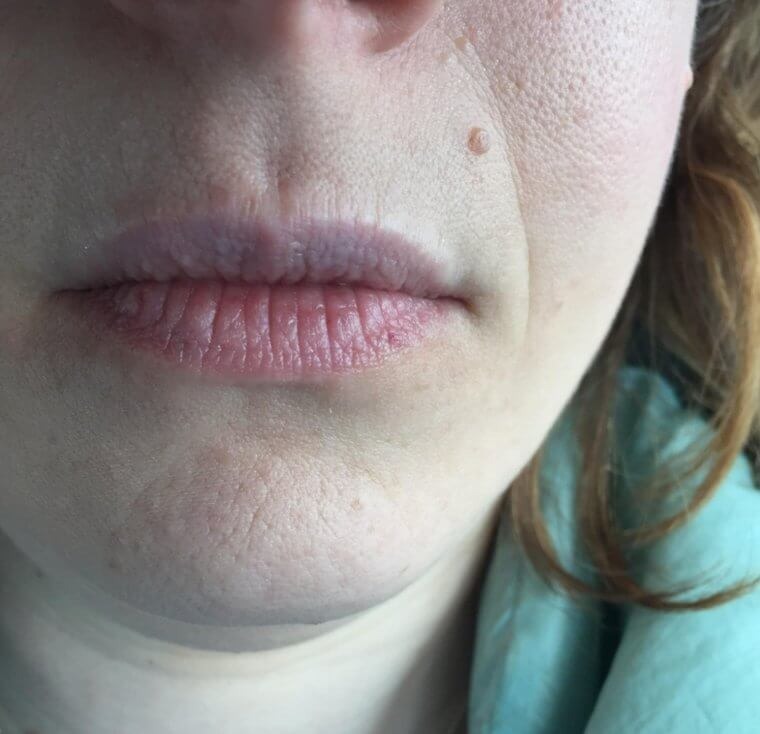
Stress can lead to wrinkles on your upper lip
Wrinkles are a natural part of aging and can’t be entirely avoided. However, stress can sometimes contribute to wrinkles around the upper lip because it can cause tension in the mouth area.
Being mindful of this during stressful situations can help reduce the development of such wrinkles if you’re trying to minimize them.
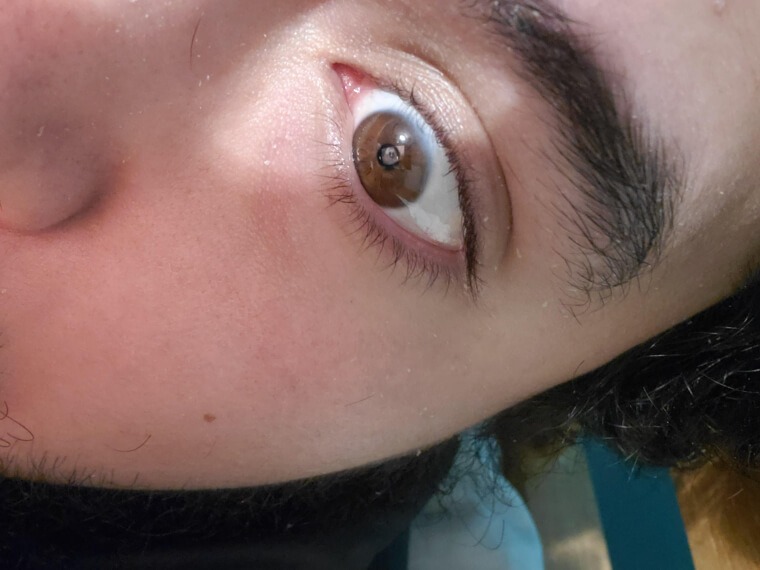
Floaters in the eye can sometimes indicate a tear
Floaters or specks in your vision are usually harmless, but they can sometimes signal a retinal tear, which can occur after sudden eye movements or vigorous eye rubbing.
If left untreated, a retinal tear can lead to serious issues like retinal detachment, so it’s crucial to seek prompt medical attention in such cases.

Cold sores can sometimes be caused by herpes
Cold sores are caused by the herpes virus, but the strain responsible for cold sores is less severe than others. They are common and usually heal on their own within a week.
Medications can help speed up the healing process if needed.

Blurry vision can sometimes be a sign of diabetes
Blurry vision can sometimes signal diabetes, but it can also be related to other eye conditions like cataracts or macular degeneration. Regular eye exams can help detect diabetes early.
If you experience persistent blurry vision, consult an eye doctor for an evaluation, keeping in mind that other less serious causes may be responsible.
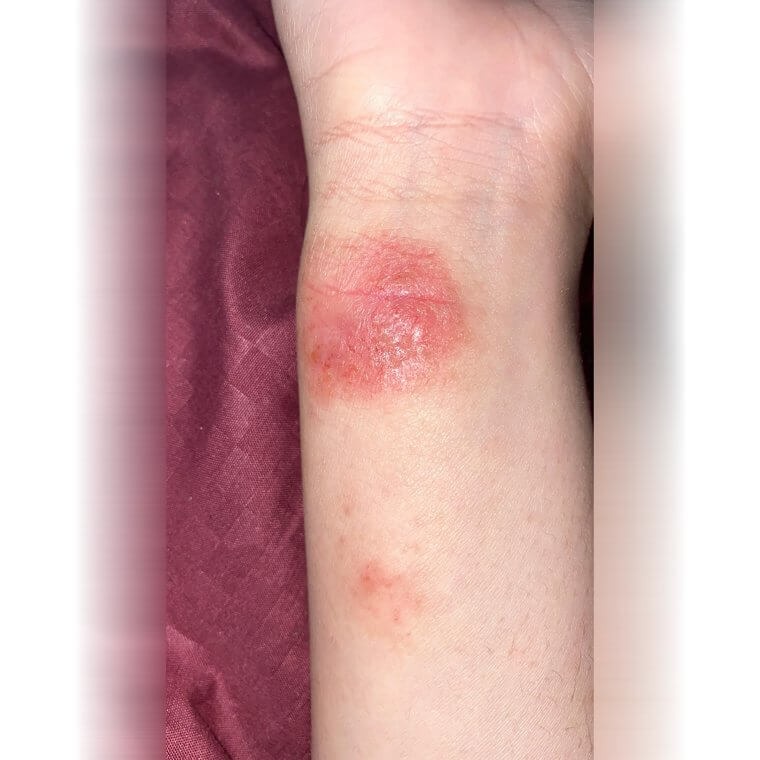
Red and scaly skin can sometimes be a sign of psoriasis
An itchy rash could be a sign of psoriasis, a condition characterized by the overproduction of skin cells, leading to a scaly rash. While it might resolve on its own in rare cases, it’s generally recommended to seek treatment for psoriasis.
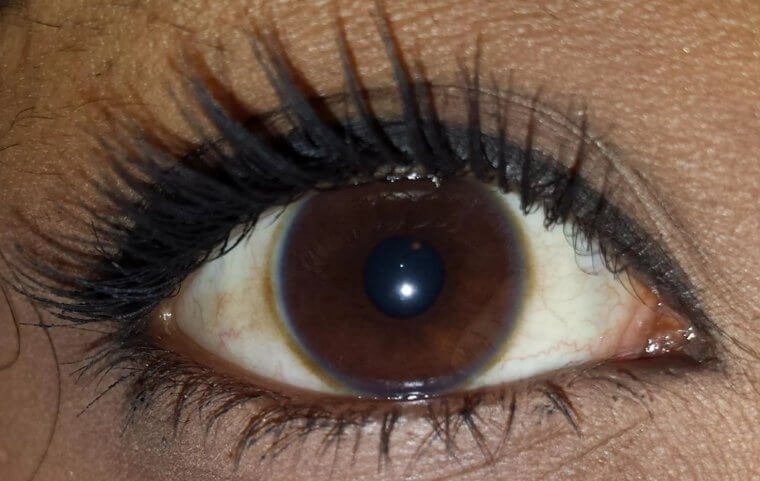
A ring around the eye can sometimes be caused by cholesterol deposits
A ring around the eye can signal high cholesterol, warranting a doctor’s consultation. However, it can also result from the natural aging process and may not always be of major concern.
High cholesterol, like high blood pressure, can lead to various health risks, including heart problems, stroke, and fatigue, and the two conditions are often interconnected.
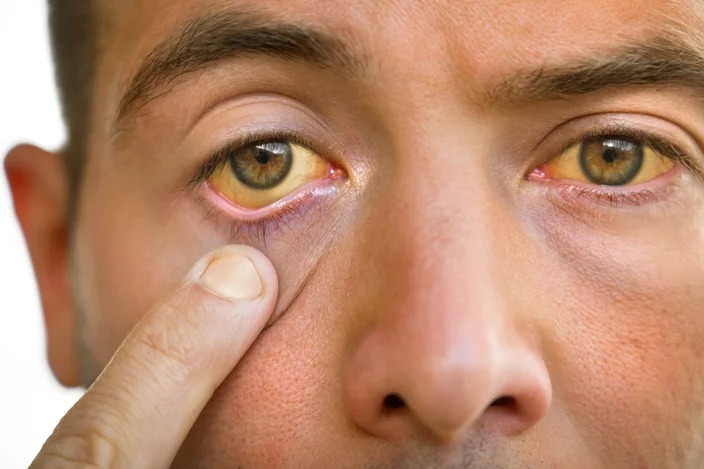
Yellowing of the skin can be caused by jaundice
Yellowing skin can be a cause for concern and may indicate conditions like jaundice or hepatitis.
If you observe your skin or eyes turning yellow, it’s essential to consult a medical professional for a proper diagnosis and treatment, as jaundice can result from various underlying issues, including liver problems and kidney stones.
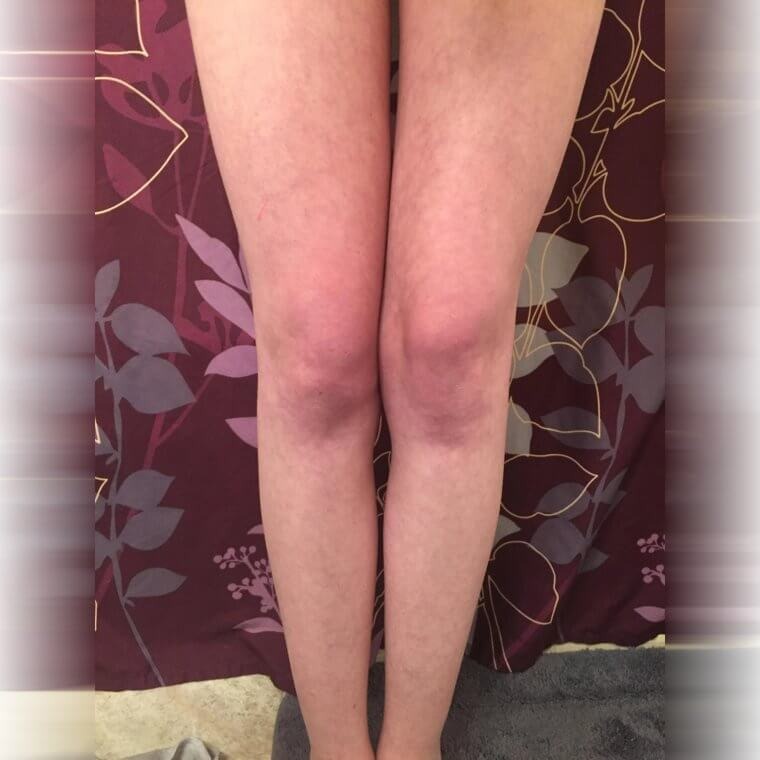
Purple patterns can sometimes be caused by blocked arteries
Turning purple in cold weather is normal, but purple, net-patterned lines on the body may suggest a blocked artery, often seen on the legs. These patterns can have various causes related to blood flow.
It’s wise to consult a doctor if you notice such patterns, as blood flow issues can lead to various health problems.
Excessive smoking can lead to stained lips
Excessive smoking can cause lip staining, changes in lip color, and the development of wrinkles around the mouth. If you notice these signs, it may be a good reason to cut back on smoking.
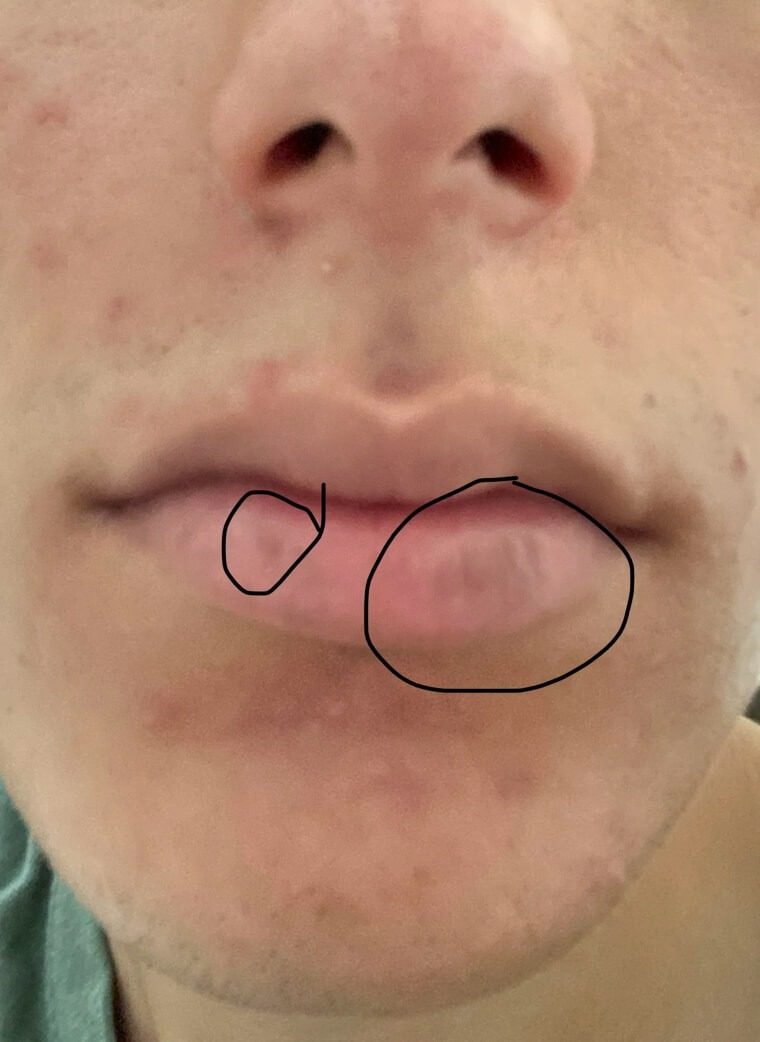
Large blisters can be caused by various underlying conditions
Large, painless blisters like the one in the photo are rare and usually signify an underlying health issue. It’s essential to consult a doctor when such blisters appear, as they are typically a sign of an internal problem that requires treatment.
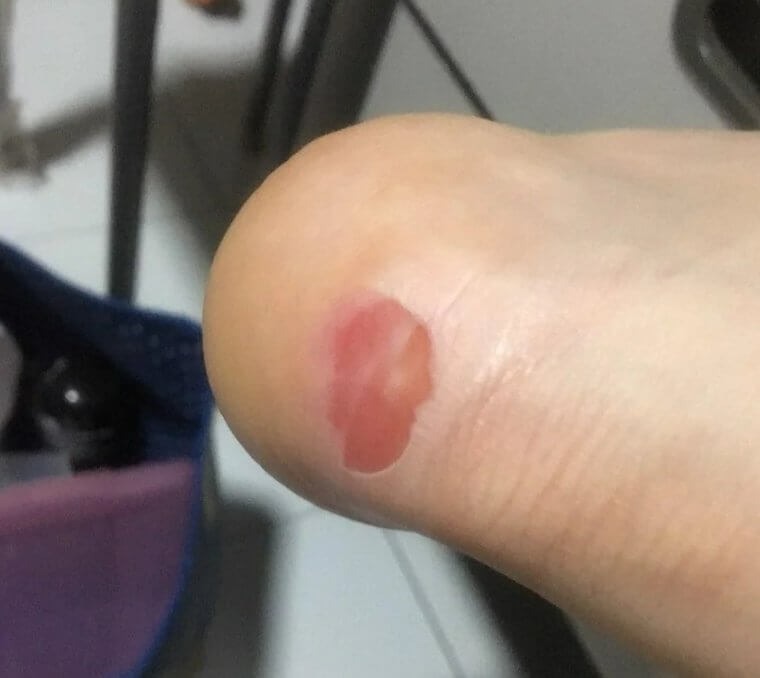
Puffy eyes can be a sign of sleep deprivation
Puffy eyes are a typical sign of sleep deprivation. While occasional sleepless nights are normal, persistent puffy eyes may indicate an underlying issue.
Prioritizing sleep is crucial, as chronic sleep deprivation can lead to severe health conditions.
If the problem continues, consult a doctor for further evaluation.
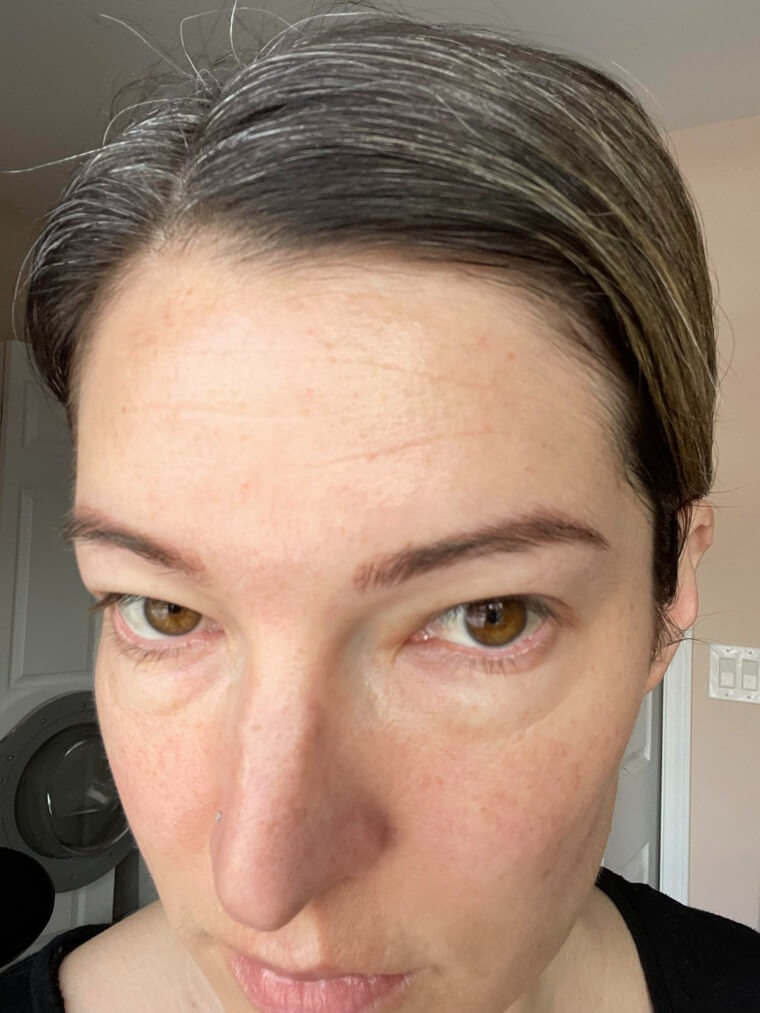
Dry lips can sometimes be a sign of dehydration
Dry or chapped lips are common, often due to changing weather. However, exceptionally dry lips without exposure to cold or wind may signal dehydration.
It’s essential to increase water intake when this happens, as dehydration can lead to various health problems, particularly in warmer months when it can contribute to issues like overheating.
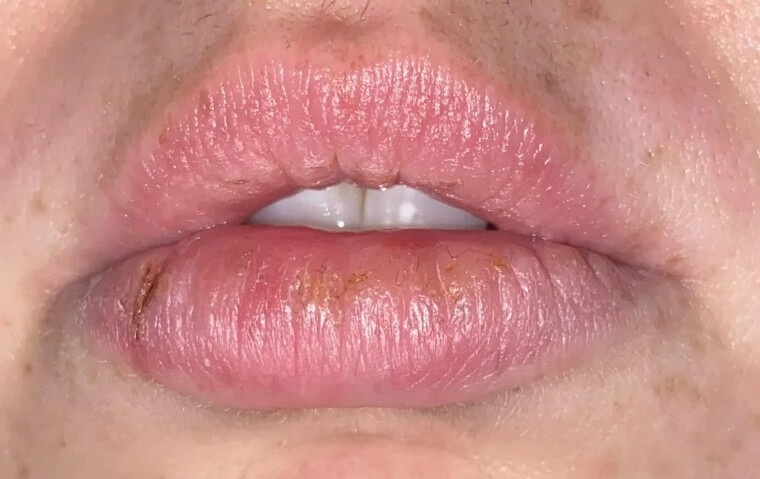
Eye infections can potentially escalate into serious conditions if left untreated
Eye infections, including sores or lesions near the eye, can be painful and uncomfortable. However, delaying treatment is not advisable, as serious cases can lead to blindness.
It’s crucial to seek medical attention promptly if you have an eye infection or a sore near your eye, as early treatment can help prevent complications.
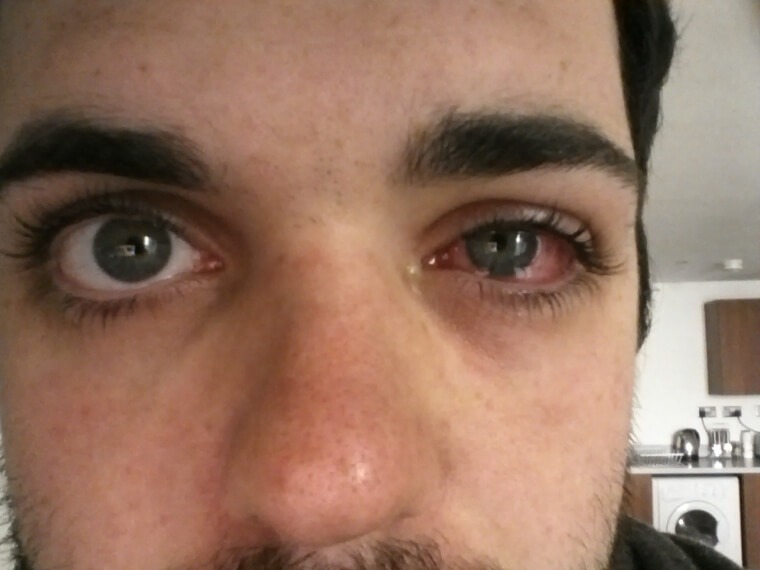
A high temperature and rash can sometimes be indicative of rheumatic fever
A rash with a fever and no itchiness may indicate rheumatic fever, although this is rare in developed countries. Timely diagnosis and treatment are essential to prevent severe symptoms, although the condition may not completely disappear.

Frequent eye rubbing can contribute to the development of wrinkles
Frequent eye rubbing can lead to wrinkles and sagging skin around the eyes, giving you a tired appearance. It’s essential to avoid excessive eye rubbing, especially if you have allergies or feel tired.
Over-the-counter remedies and moisturizers can help prevent eye rubbing and maintain a fresh appearance.
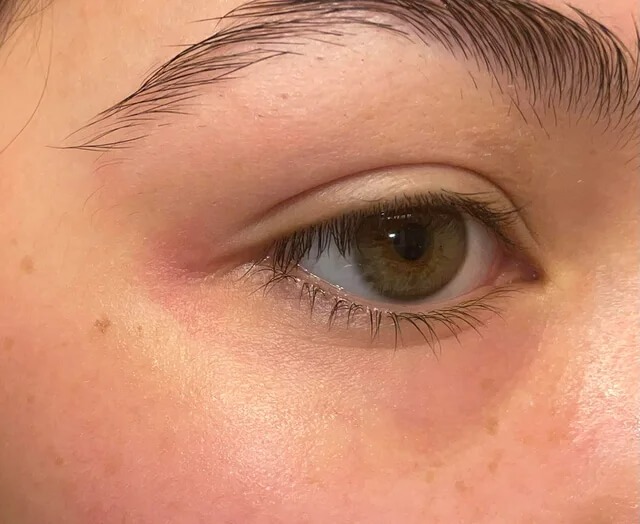
Jaundice can lead to yellowing of the eyes
Jaundice can cause yellowing of the eyes, which is usually a result of liver problems but can also be due to other factors like kidney stones, tumors, or pancreatic issues.
If you notice yellowing of the eyes or a change in the whiteness of your eyes, it’s crucial to seek medical attention.
Jaundice has distinct symptoms that are relatively easy to detect compared to some other symptoms on this list.
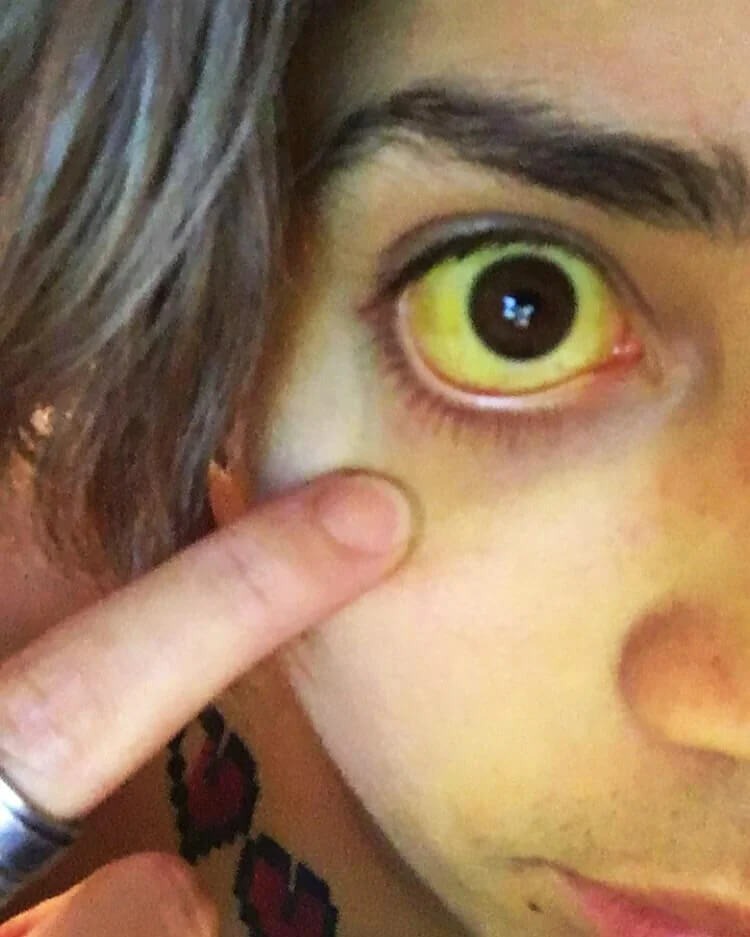
Exposure to the sun can damage your lips and cause dark spots
Dark spots on the lips, often called sunspots, can result from excessive sun exposure. It’s advisable to limit sun exposure when they appear. While they typically don’t lead to severe issues, they can be treated with lasers or creams.
In some cases, dark spots may naturally fade with proper care and sun avoidance.

Frequent Headaches
Chronic or severe headaches can be indicative of various conditions, including migraines, tension headaches, or even more serious issues like tumors or aneurysms.

Unexplained Weight Loss
Losing weight without trying can be a sign of underlying health problems, such as hyperthyroidism, cancer, or gastrointestinal issues.

Excessive Thirst and Urination
Constant thirst and frequent urination might be signs of diabetes or other metabolic disorders.

Chronic Fatigue
Ongoing fatigue that doesn’t improve with rest could be related to conditions like anemia, chronic fatigue syndrome, or sleep disorders.

Persistent Cough
A persistent cough that lasts for weeks or months might be a symptom of respiratory conditions like bronchitis, asthma, or even lung cancer.

Frequent Nausea and Vomiting
Frequent nausea and vomiting could be related to gastrointestinal problems, food intolerances, or even pregnancy, but it can also indicate issues like gallbladder disease.

Changes in Appetite
Significant changes in appetite, whether increased or decreased, could be due to emotional factors, hormonal imbalances, or gastrointestinal problems.

Unexplained Bruising or Bleeding
Frequent or severe bruising and bleeding might indicate clotting disorders, vitamin deficiencies, or underlying medical conditions like leukemia.

Changes in Urine Color
Dark urine could signify dehydration or liver issues, while bloody or cloudy urine might be related to urinary tract infections or kidney problems.
Joint Pain and Stiffness
Persistent joint pain and stiffness might be associated with arthritis, autoimmune diseases, or other inflammatory conditions.

Changes in Bowel Habits
Any significant changes in bowel habits, including blood in stools, can be indicative of gastrointestinal conditions like colorectal cancer, diverticulitis, or inflammatory bowel disease (IBD).

Please SHARE this with your friends and family.


