Body language can often reveal subtle cues that may indicate deceit or dishonesty in a relationship. When it comes to infidelity, red flags such as avoiding eye contact, defensive body positioning, and sudden changes in behavior or routine can signify potential cheating. Understanding these nonverbal signals can help individuals recognize and address concerns within their relationships.
Avoiding eye contact with your partner may signal secrecy or deceit, leading to feelings of isolation and neglect. True connection often lies in the openness of one’s eyes, making persistent evasion a concerning red flag in relationships.
Curious and want to know more cheating red flags? Keep reading!
Frequent Face Touching
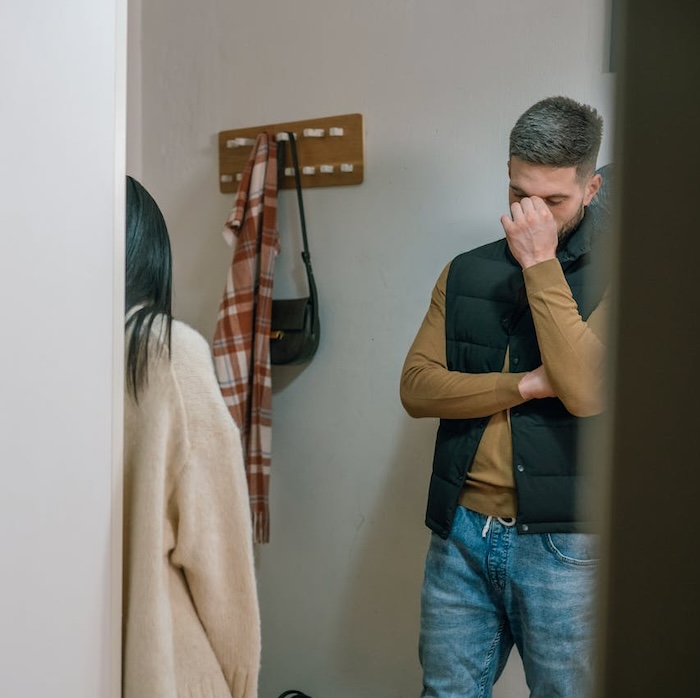
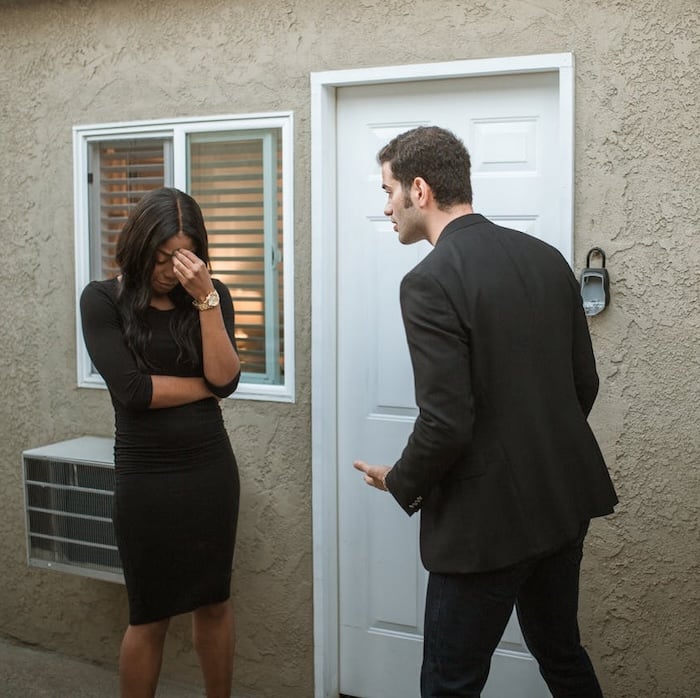
Frequent face-touching, particularly near the mouth and nose, may reveal inner turmoil or dishonesty, often surfacing during moments of anxiety or when concealing the truth. This gesture becomes especially telling if observed while discussing one’s actions or relationships, indicating discomfort with the direction of the conversation.
In the intricate language of the body, our feet often reveal our genuine emotions. During intimate conversations, if your partner’s toes subtly angle away, it might signify emotional withdrawal—a silent indication that their attention may be elsewhere, hinting at underlying discord or waning interest, despite their physical presence.
Be vigilant for revealing twitches like finger drumming, leg jitters, or object fiddling during discussions about fidelity or the state of your relationship. These involuntary movements often signify hidden truths or underlying unease. If your inquiries provoke a flurry of fidgets, ranging from hair twirls to pen clicks, it could indicate a reservoir of anxiety waiting to be addressed.
Pay attention to trembles or unexpected high notes in your partner’s voice during sensitive discussions, especially regarding plans or past events. These vocal fluctuations can signify more than just nerves; they may indicate subtle signs of deceit. Watch for these shifts in tone, often revealing unspoken emotional turmoil or concealed truths.
Consistently brief and vague responses from your partner when asked about their day could signal a red flag. They may be avoiding detailed explanations to prevent accidentally revealing secrets they’re keeping. These short, noncommittal replies often suggest a desire to quickly end the conversation, avoiding genuine openness.
If your partner consistently takes a prolonged time to respond to simple questions, it could indicate they’re meticulously crafting their answers, potentially weaving a web of deceit. This hesitation often implies they’re carefully aligning their narrative to evade suspicion, opting for a curated tale rather than a genuine, heartfelt reply.
When a smile doesn’t match the seriousness of the conversation, it may indicate internal turmoil or deceit. Such incongruent facial expressions often signal an attempt to conceal genuine emotions or withhold information. The fleeting frown accompanying a statement like “I’m fine” often unveils the truth beneath the surface.
Strategically placing items such as cushions, a coffee table, or a pet during a conversation may silently indicate emotional barriers. This subtle arrangement often reflects an underlying divide in the relationship, possibly stemming from guilt or emotional detachment. These seemingly innocuous objects can serve as telling barriers, suggesting a partner’s desire for distance and avoidance.
In a single frame, an embrace can reveal more than tenderness—a tight hold hinting at possessiveness rather than affection. This overbearing grip often reflects underlying trust issues, potentially foreshadowing relationship turmoil. Ironically, such suffocating affection may drive the recipient away, seeking the space necessary for genuine love to thrive.
Carrying the burden of past relationships into a new romance can distort perceptions of intimacy. Comparing your current partner’s touch to that of a former lover not only strains the relationship but also imposes unfair expectations. It’s essential to respect your partner’s physical boundaries, distinct from past experiences. Building a strong and respectful connection requires open communication and mutual agreement on touch, fostering a consensual and fulfilling union.
When your partner responds to your passions with eye rolls instead of applause, it’s a significant red flag. A healthy relationship thrives on mutual support and enthusiasm for each other’s successes and interests. Ignoring this shared joy can foster loneliness and diminish self-worth, underscoring the importance of addressing these warning signs for a relationship that genuinely uplifts both partners.
In the dynamics of intimacy, a partner’s coercive grip—pressuring for closeness or using affection as leverage—indicates concerning control. These boundary violations disrupt the balance of power, fostering a toxic dynamic. Genuine harmony in relationships arises from mutual respect for bodily autonomy, where every touch reflects consensual, shared joy.
In the intricate dance of intimacy, transparency guides while secrecy falters. When a partner cloaks vital truths under the guise of privacy, they risk destabilizing the relationship. A strong bond flourishes with open communication, even amid discomfort. Beware the quiet warnings of withheld information; they reverberate through the cracks in the foundation of trust, where it should stand unwavering.
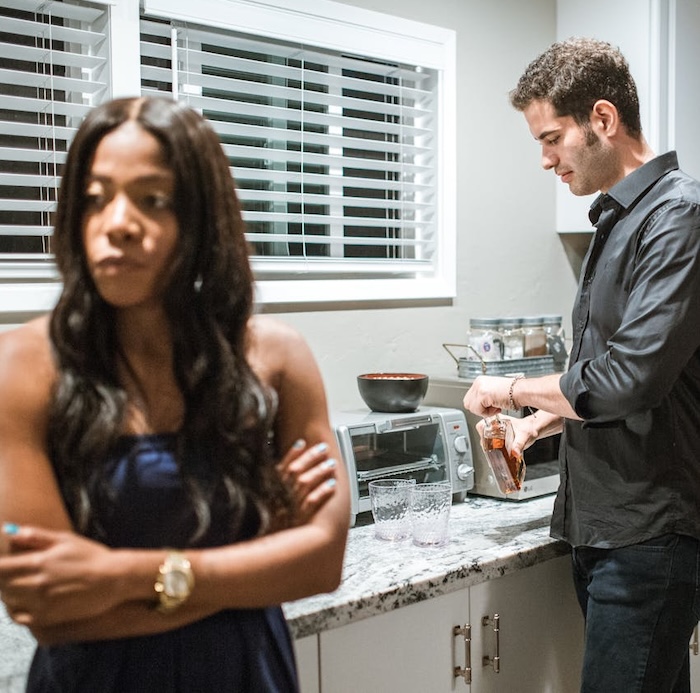
Tightly folded limbs can signify more than just discomfort; they act as the body’s silent guards, shielding inner secrets. Notice your partner tightly holding themselves during discussions about trust or love—it mirrors emotional defenses being raised. This defensive posture suggests hidden truths lurking beneath the surface, indicating they may be keeping their emotions guarded.
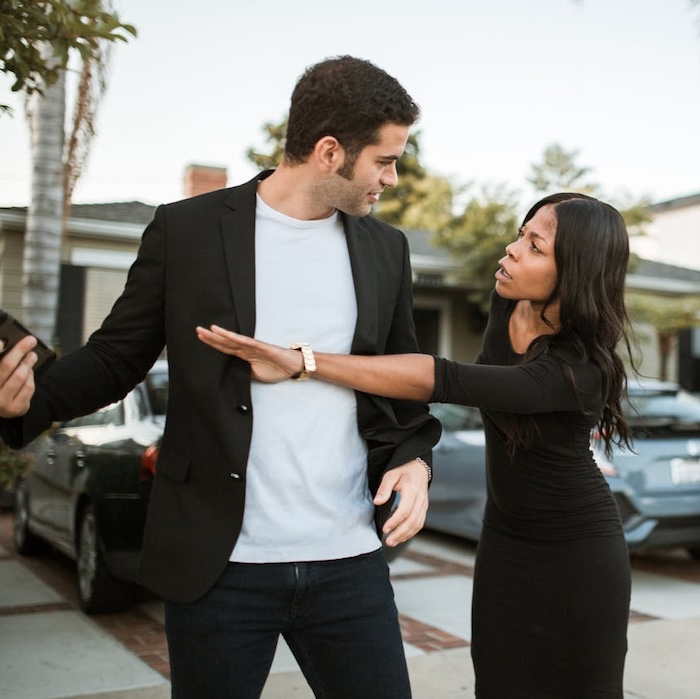
When someone leans back or subtly pulls away during a heartfelt conversation, it often reflects a desire to detach—body language revealing discomfort with confronting difficult truths, especially those that might reveal wrongdoing. This physical withdrawal can be a clear indicator of unease with intimacy or the current state of the relationship, particularly when loyalty is the subject at hand.
When your partner bites at their lip or tightens their mouth during intimate conversations or discussions about their day, pay attention—it’s often a clear indication of concealed emotions or hidden truths. These subtle mouth movements provide insight into a turmoil of anxiety, suggesting they may be attempting to shield unspoken or altered realities.
In the journey of partnership, interpreting your significant other’s non-verbal cues is crucial. If their snoring leads to anger rather than open communication, it’s a warning sign. When empathy is replaced by hostility, it’s a red flag. Conversely, a calm and solution-oriented approach signals a nurturing bond. Understanding these signals helps discern whether your relationship is supportive or strife-inducing.
When your significant other tucks their hands into their pockets during a heartfelt conversation, it could signify more than a casual gesture. This subtle body language may hint at hidden emotions or secrets, indicating discomfort or a reluctance to fully engage. With their hands out of sight, the genuine expressions and gestures that usually enrich honest exchanges are obscured behind these sartorial shields.
Be attentive to the subtle dance of the eyes—the restless flicker that often reveals unease or deceit. When your significant other avoids holding your gaze, especially during significant moments, it may hint at concealed secrets. Elusive eyes often reflect hidden truths, their avoidance signaling inner turmoil or unspoken falsehoods.
When your partner fluctuates between emotional detachment and sudden bursts of tenderness, it could signify more than mere mood swings. These erratic displays of affection often act as a smokescreen, a means for them to alleviate their guilt or divert your attention from their misdeeds. Be cautious: such dramatic shifts in behavior may hint at concealed betrayals.
When your partner frequently scratches their arm or strokes their neck during intimate conversations about trust or your relationship, it’s often a physical indicator of inner turmoil. These nervous ticks, subconscious self-soothing gestures, may suggest concealed discomfort or guilt, revealing an undercurrent of anxiety that words alone may not convey.
The sudden absence of warm embraces and intertwined fingers can often signify emotional withdrawal. When caresses grow cold, it may indicate a heart grappling with guilt or entangled elsewhere. This noticeable decline in affection often suggests a waning love, with external bonds potentially diverting the once-devoted spirit away from the relationship.
If your partner remains glued to their phone even during intimate moments, it could be a red flag indicating divided attention or hidden emotional attachments. The constant urge to check their screen suggests the presence of secrets or a wandering mind and heart, drifting towards distant conversations and connections, overshadowing their present company with virtual distractions.
If your partner swiftly changes the subject or abruptly ends conversations, particularly when they become personal, pay attention. This avoidance of delicate topics could be a red flag—a signal that they’re concealing a secret. Shutting down discussions serves as their defense mechanism, keeping undisclosed truths hidden from view.
When romantic partners share a strong emotional connection, their actions and gestures often synchronize, reflecting an unspoken intimacy. So, when this subtle mimicry begins to diminish, it’s often a red flag, suggesting a change in their emotional commitment. This departure from behavioral symmetry could indicate that their affections are aligning with someone else’s.
Sudden and unexplained expenses may indicate your partner is spending money on someone else. This can include charges for restaurants, hotels, or gifts that don’t seem to have a place in your shared experiences or expenses.
If your partner suddenly has a lot of “late work nights” or unexplained absences, it might be a sign. This change in routine, especially when it becomes a pattern without a clear explanation, can suggest they’re carving out time for someone else.
Talking frequently about a new “friend” or colleague might indicate more than platonic interest. Especially if this person seems to come up in conversations often or your partner appears overly enthusiastic when they do.
Attempting to make you doubt your own perceptions or feelings can be a tactic to deflect guilt or suspicion. This psychological manipulation is a serious red flag, not just of potential infidelity but of a toxic and unhealthy relationship dynamic.
30 Body Language Red Flags Your Partner Might Be Cheating
Jaclyn Abergas
02.28.24
Body language can often reveal subtle cues that may indicate deceit or dishonesty in a relationship. When it comes to infidelity, red flags such as avoiding eye contact, defensive body positioning, and sudden changes in behavior or routine can signify potential cheating. Understanding these nonverbal signals can help individuals recognize and address concerns within their relationships.
Avoiding eye contact with your partner may signal secrecy or deceit, leading to feelings of isolation and neglect. True connection often lies in the openness of one’s eyes, making persistent evasion a concerning red flag in relationships.
Curious and want to know more cheating red flags? Keep reading!